Best Lift Kits for Jeep Wrangler JK: Ultimate 2026 Buying Guide
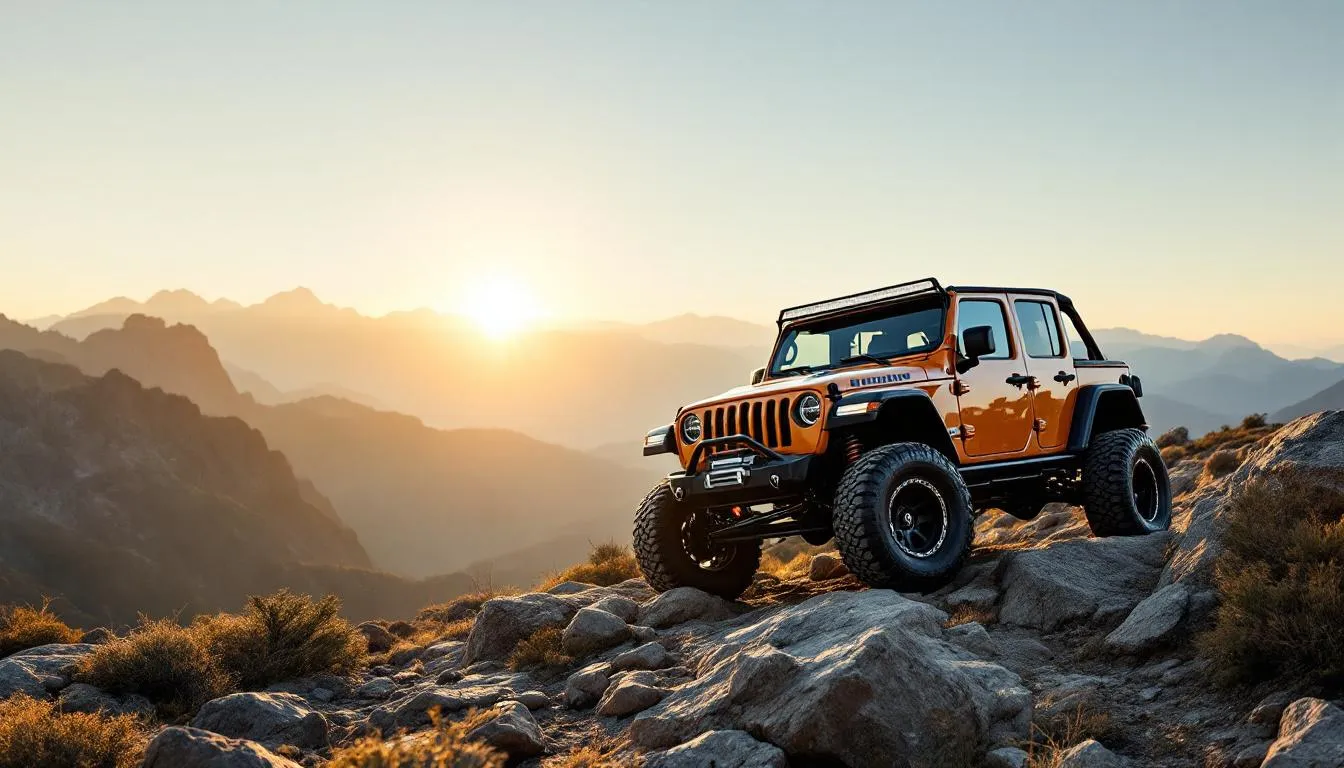
The best lift kit for most Jeep Wrangler JK owners is a 2.5-inch coil spring lift with quality shocks. It’s the sweet spot. This setup lets you run 33-35 inch tires, maintains daily driving comfort, and avoids the need for regearing — which alone saves you $1,500-$2,000.
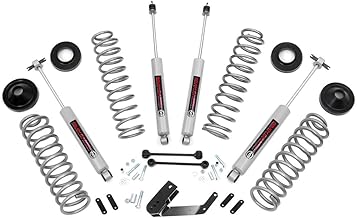
Popular options include TeraFlex, Rubicon Express, and AEV kits in the $400-$650 range. But here’s the reality check: that’s just the lift kit. You’ll need another $500-$1,000 for supporting components like adjustable track bars, extended brake lines, and possibly control arms to do the job properly.
I spent three months researching lift kits before committing. Every forum thread. Every YouTube install video. Every owner review I could find. The JK community is passionate about lifts — and passionately divided. The 4-inch lift crowd told me I’d regret going smaller. The stock-height guys said anything over 2 inches was overkill. I landed at 2.5 inches with adjustable control arms, and it’s been the best decision I’ve made on this build.
This guide cuts through the noise. I’ll break down lift types, explain what you actually need for your use case, recommend specific products, and help you avoid the expensive mistakes I learned about from other owners. Whether you’re building a daily driver with weekend trail capability or a dedicated rock crawler, you’ll know exactly which lift to buy by the end.
Understanding JK Lift Kit Types
Let’s start with the basics. There are three main lift kit types for the JK, and they’re not interchangeable — each serves a different purpose.
Spacer lifts (also called leveling kits or budget boosts) are the simplest option. They’re polyurethane or aluminum spacers that sit on top of your stock coil springs. You get 1-2.5 inches of lift for $80-$200. Installation takes a few hours with basic tools. The factory springs stay in place, so your ride quality remains unchanged — for better or worse.
The catch? Spacer lifts offer minimal articulation improvement. They’re fine for fitting slightly larger tires (32-33 inches) on a daily driver, but they don’t upgrade the suspension’s actual performance. Think of them as a cheap test: if you like the look and capability of a mild lift, you can upgrade to springs later.
Coil spring lifts replace your factory springs with taller aftermarket coils. These are what most JK owners run. You’ll typically see 2-4 inch lifts, priced between $400-$800 without control arms. The ride quality can actually improve over stock — the factory JK suspension is notoriously bouncy, and quality aftermarket springs with better-matched shocks smooth things out considerably.
This is where things get good. A proper 2.5-inch coil spring lift with decent shocks gives you clearance for 33-35 inch tires while maintaining acceptable on-road manners. You’ll sacrifice some highway stability compared to stock (higher center of gravity), but it’s manageable. Most JK owners who daily drive and weekend wheel end up here.
Long-arm kits are the premium option for serious off-roaders. These include extended control arms, upgraded geometry components, and typically start at 3.5+ inches of lift. Prices run $1,500-$3,500 and up. The payoff is maximum articulation and proper suspension geometry at big lift heights. If you’re running 35+ inch tires and spending more time on trails than pavement, long-arms are worth the investment.
There’s also a middle ground: short-arm kits with adjustable control arms. You keep the factory-length control arms but gain the ability to correct caster angle and reduce death wobble risk. For a 2.5-3 inch lift, this is often the smart move — you get geometry correction for $400-$800 less than a full long-arm kit.
Here’s the basic rule: 3+ inches requires control arms for proper geometry. At 2.5 inches, you’ll benefit from them but can technically get by without initially. Some “budget” 2.5-3 inch kits skip the control arms to hit a lower price point. That’s fine if you’re planning to upgrade later, but understand you’re buying an incomplete kit.
| Lift Type | Height Range | Price Range | Ideal Use Case | Key Benefit | Main Drawback |
|---|---|---|---|---|---|
| Spacer/Leveling | 1-2.5” | $80-$200 | Daily driver, modest tire upgrade | Cheapest entry point | Limited articulation improvement |
| Coil Spring | 2-4” | $400-$800 | Daily driver + weekend wheeler | Best balance of cost and capability | May need control arms for geometry |
| Long-Arm | 3.5-6”+ | $1,500-$3,500+ | Dedicated trail rig, serious rock crawling | Maximum articulation and performance | Expensive, complex installation |
After all that research, I went with a 2.5-inch coil spring lift with adjustable control arms. It gives me clearance for 35s without cutting fenders, the ride quality with good shocks is better than stock, and critically, it doesn’t murder my highway stability the way taller lifts do. I’m still comfortable at 120 km/h on the highway without the steering feeling vague.
How to Choose Your JK Lift Height
Start with your tire size goals. Everything else works backwards from there.
Want to run 33-inch tires? A 2-2.5 inch lift gets you there comfortably with minimal geometry changes. You’ll need to account for compression travel and steering angle, but it’s straightforward. This is the setup for daily drivers who want modest capability improvement without compromising on-road behavior.
Planning for 35s? You’re looking at 2.5-3 inches minimum. Some owners squeeze 35s onto a 2-inch lift with aggressive trimming, but you’ll get rubbing at full articulation. Better to have the clearance and skip the body work. At this height, you need geometry correction — specifically an adjustable track bar to center the steering wheel and likely adjustable control arms to restore proper caster angle.
Serious about 37-inch tires? Now you’re in 3.5-4 inch territory. This requires full geometry correction: control arms, track bar, extended brake lines, and likely sway bar disconnects. You’ll also need to regear — 37s on stock 3.21 or 3.73 gearing will bog your engine and destroy your MPG. Budget $1,500-$2,000 for regearing to 4.56 or 4.88 ratios.
Anything beyond 4 inches is for extreme builds. Show trucks, competition rigs, or dedicated trail machines that get trailered to the trailhead. Drivability suffers significantly. Your JK will feel tall and tippy on-road, the steering geometry gets increasingly difficult to correct, and you’re deep into diminishing returns territory.
There’s a law of diminishing returns with lift heights. A 2.5-inch lift gets you 90% of the capability improvement at 30% of the cost of a 4-inch lift. You fit tires big enough to tackle serious terrain, maintain decent daily driving manners, and avoid the expensive supporting mods that taller lifts demand.
Two-door vs four-door matters here. The JK Unlimited (four-door) benefits more from lifting because its departure angle is worse (25.5° vs 40.4° on the two-door) and the longer wheelbase drags more often on obstacles. A lifted JKU transforms into a surprisingly capable trail machine.
Your JK’s engine also factors in. The 3.6L Pentastar (2012-2018) handles larger tires better than the 3.8L (2007-2011). If you’re running a 3.8L and planning 35s, regearing becomes almost mandatory for acceptable performance. The 3.6L can get by without regearing up to 35s if you’re gentle on the throttle and accept mediocre acceleration.
Here’s my decision flowchart:
- Daily driver + occasional trails, 33” tires: 2-2.5 inch coil spring lift
- Daily driver + regular weekend wheeling, 33-35” tires: 2.5-3 inch coil lift with adjustable control arms
- Dedicated trail rig, 35-37” tires, regearing acceptable: 3.5-4 inch long-arm lift
- Serious rock crawler, 37”+ tires, trailer to trails: 4+ inch long-arm with coilovers
My 2.5-inch choice came down to this: I wanted to run 33-35 inch mud terrains for the Western Cape and Cederberg trails, I needed to keep the JKU as a daily driver, and I wanted to avoid regearing initially. The 2.5-inch coil lift with adjustable control arms checked all those boxes. It’s not the biggest lift, but it’s the right lift for how I use the Jeep.
Supporting Components You’ll Need
Here’s where the budget conversation gets real. That $500 lift kit you’re eyeing? Plan on spending another $500-$1,000 for the components you actually need to install it safely and correctly.
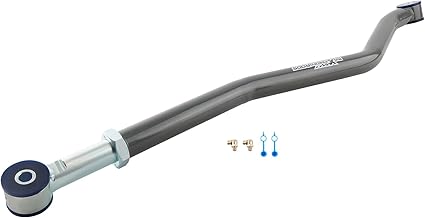
Adjustable track bar ($150-$350) is non-negotiable at 2.5+ inches. Your factory track bar connects the axle to the frame and controls lateral movement. When you lift the springs, the axle hangs lower and shifts sideways. Without an adjustable track bar, your steering wheel ends up off-center and your handling feels wrong. Don’t skip this.
Extended brake lines ($80-$200) are a safety item, not optional. Factory brake lines are measured for stock suspension travel. Lift your JK and you increase the distance the axle can droop. At full extension, stock brake lines reach their limit and risk tearing or restricting brake fluid flow. This is how brakes fail on the trail. Extended brake lines give you the slack you need.
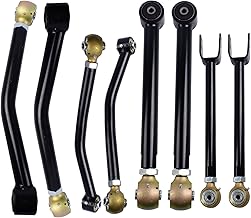
Adjustable control arms ($400-$800 for a set) are technically optional under 3 inches but highly recommended at 2.5+ inches. Control arms define your suspension geometry — specifically caster angle, which affects steering feel and stability. Stock-length control arms on a lifted JK push the caster angle backward, causing wandering and increasing death wobble risk. Adjustable control arms let you dial in proper caster (typically 4-6 degrees) and eliminate that vagueness.
The adjustable control arms were the upgrade I almost skipped to save money. Glad I didn’t. Being able to dial in the caster angle after the lift eliminated the wandering that everyone warned me about.
Adjustable rear track bar ($150-$300) becomes necessary at 3+ inches to center the rear axle. Similar concept to the front track bar — the rear axle shifts sideways as the suspension droops, and you need adjustability to correct it. Under 3 inches, most owners skip this initially and only add it if they experience dog-tracking (rear axle not tracking in line with front).
Steering stabilizer ($50-$200) is often included in lift kits or upgraded separately. Think of it as a horizontal shock absorber for your steering. It dampens feedback from the tires and helps control oscillations. The factory stabilizer is adequate, but an upgraded unit improves on-road manners noticeably, especially with larger, heavier tires. A quality steering stabilizer can transform your daily driving experience with a lifted JK.
Sway bar disconnects ($80-$150) improve off-road articulation by allowing the sway bar to disconnect manually. Rubicon models have electronic disconnects from the factory. Sport and Sahara owners can add quick-disconnect links that take 30 seconds to pop off before hitting the trail. This lets each wheel move independently for maximum flex over obstacles.
Extended bump stops ($50-$100) prevent your suspension from compressing too far and smashing components together. Lifting increases travel, and without proper bump stops, your springs can compress fully and let metal hit metal. Extended bump stops provide a cushion before that happens.
Some “complete” lift kits include several of these components. Others are just springs and shocks. Read the product description carefully and make a list of what’s missing. The difference between a $500 kit and an $800 kit might be that the pricier one includes a track bar and brake lines you’d have to buy separately anyway.
Budget example for a 2.5-inch lift done right:
- Lift kit (springs, shocks): $500-$650
- Adjustable front track bar: $200
- Extended brake lines: $120
- Adjustable control arms: $600
- Alignment after install: $120
- Total: $1,540-$1,690
That’s the real number. Don’t get surprised when the cheap lift suddenly needs another grand in parts.
Top 5 JK Lift Kits: Our Recommendations

I selected these kits based on actual JK forum discussions, owner reviews spanning years of use, and overall value for money. These aren’t paid placements — they’re the lifts that consistently get recommended when experienced owners chime in.
Here’s how they stack up:
| Product | Lift Height | Tire Capacity | Price Range | What’s Included | Best For |
|---|---|---|---|---|---|
| Teraflex 2.5” Kit | 2.5” | 33-35” | $350-500 | Springs, shocks, track bar, brake lines | Daily driver + weekend wheeler |
| Mid-Range 2.5-3” with Arms | 2.5-3” | 33-35” | $900-$1,200 | Springs, shocks, control arms, track bar | Best value when accounting for components |
| Premium 3.5-4” Long-Arm | 3.5-4” | 35-37” | $2,500-$3,500 | Everything including long arms | Serious off-roader, 35”+ tires |
| Rough Country 2” Kit | 1.5-2” | 32-33” | $200-350 | Springs, basic shocks | Mild lift, daily driver on budget |
| Suspension Spring Spacers | 2” | 32-33” | $100-200 | Spacers, basic shocks | Cheapest entry point, testing before commitment |

Premium 2.5-Inch Coil Spring Kit — The Sweet Spot Choice
This is the lift that makes sense for most JK owners. You’re getting a complete package: quality coil springs engineered for the JK’s weight, decent shocks (often Bilstein or equivalent), an adjustable front track bar, and extended brake lines. Everything you need for a proper 2.5-inch lift except control arms. The TeraFlex 2.5” Suspension Lift Kit exemplifies this category with comprehensive engineering for the JK platform.
The ride quality improves noticeably over stock. The factory JK suspension is bouncy and under-damped — these kits pair stiffer springs with better-matched shock absorber options to settle the ride down. On-road, you’ll notice slightly more body roll in corners due to the higher center of gravity, but it’s not dramatic. Highway stability remains good up to 120 km/h.
Off-road is where it shines. You gain 2.5 inches of ground clearance plus improved articulation from the longer springs. Obstacles that required momentum on stock suspension can now be crawled over with better control. The limiting factor becomes tire size, not suspension travel.
You can fit 33-inch tires with zero trimming. 35s require minor fender trimming at full compression (mainly the front plastic fender liners), but it’s manageable. This is the tire size guide most JK owners actually run despite planning for bigger.
Installation takes a weekend for a competent DIYer with proper tools (floor jack, jack stands, spring compressor, torque wrench). Or $600-$800 at a shop including alignment. The kit doesn’t include control arms, so you’re working with stock-length arms. Plan to add adjustable control arms within the first year if you notice steering wander or want to fine-tune caster angle.
Pros:
- Complete kit includes track bar and brake lines
- Significant ride quality improvement over stock
- Fits 33-35” tires comfortably
- Maintains acceptable daily driving manners
Cons:
- Doesn’t include control arms (add $400-$600)
- Shocks are good but not premium tier
- Some kits require trimming for 35” tires at full stuff
- Installation requires spring compressor or careful disassembly
Best for: Daily drivers who weekend wheel and want the best balance of capability, comfort, and value. This is the lift I’d recommend to 70% of JK owners asking for advice.
Mid-Range 2.5-3 Inch Kit with Control Arms — Best Overall Value
When you factor in the cost of control arms separately, this kit becomes the value champion. You’re getting springs, shocks, adjustable control arms (front and sometimes rear), adjustable track bar, and brake lines in one package. It’s everything you need for a geometry-correct lift.
The inclusion of control arms is the key difference. You can set proper caster angle during install and eliminate wandering from the start. No need to “wait and see” if you develop steering issues — you’re addressing geometry proactively. Most kits in this category use quality adjustable control arms with polyurethane or spherical bushings that improve steering response over stock rubber.
The lift height typically ranges 2.5-3 inches depending on your JK’s trim and load. Heavier JKUs with full armor and gear will sit closer to 2.5 inches. Lighter two-door Sports might get the full 3 inches. Either way, you’re comfortably in 33-35 inch tire territory.
Shock quality varies by brand, but expect mid-tier monotube or twin-tube gas shocks. They’re matched to the spring rates and provide decent damping for daily driving and moderate trail use. If you want premium shocks (Bilstein 5100, Fox 2.0), plan to upgrade separately.
Installation complexity increases slightly with control arms — you’re removing the factory arms, installing adjustables, and setting initial geometry before the alignment shop fine-tunes it. Budget 10-15 hours for a DIY install or $800-$1,000 at a shop.
The math works out: if you bought a $600 lift without arms and added $600 in adjustable control arms separately, you’d spend $1,200. This kit packages it for $900-$1,200, saving you money and ensuring compatibility.
Pros:
- Includes control arms for proper geometry from day one
- Best cost per component when accounting for everything
- Eliminates need for follow-up upgrades
- Some kits include rear track bar as well
Cons:
- Higher upfront cost than basic spring kits
- More complex installation with control arm adjustment
- Shocks are adequate but not premium (consider upgrading)
- Not all kits include rear track bar (verify before buying)
Best for: Owners who want to do the lift once and do it right, avoiding the hassle of piecemeal upgrades. Also ideal for buyers who know they’ll need control arms anyway.

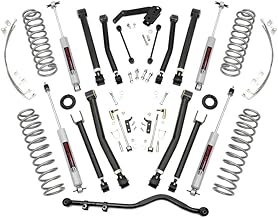
Rough Country 4" X-Series Lift Kit for 07-18 Jeep Wrangler JK Unlimited - 67430
$1,449.95
Check Price on Amazon →Premium 3.5-4 Inch Long-Arm Kit — Serious Off-Road Performance
This is where you go when 35-37 inch tires are the plan and serious trail capability matters more than on-road refinement. Long-arm kits extend the control arm length to maintain proper suspension geometry at big lift heights. You’re not just lifting — you’re redesigning the suspension architecture.
The kit includes everything: long-arm control arms (front and rear), heavy-duty coil springs, adjustable track bars, extended brake lines, and often premium shocks or coilover options. Some kits require frame-side bracket welding for the extended control arms. Others bolt on with existing holes. Verify installation requirements before buying.
The performance payoff is substantial. Articulation increases dramatically — you’ll see 300+ inches of combined wheel travel (measured diagonally across the chassis). This means keeping tires on the ground over extreme terrain where short-arm kits would lift wheels. The suspension cycles smoothly through its travel without binding or geometry-induced friction.
On-road? You’ll notice the higher center of gravity. Body roll increases. Crosswinds affect you more. Highway stability requires attention — don’t expect to cruise at 130 km/h comfortably. But if you’re trailering to the trailhead or accepting the compromise for capability, it’s manageable.
Regearing is essentially mandatory with this setup. 35-37 inch tires on stock gearing (especially the common 3.73 ratio) will bog your engine and kill drivability. Plan for 4.56 or 4.88 gears ($1,500-$2,000 installed). Your 3.6L Pentastar will thank you with acceptable acceleration and better MPG than you’d get on stock gearing with big tires.
Installation is advanced. We’re talking 15-25 hours for an experienced DIYer with the right tools. Shops charge $1,200-$2,000 in labor. If welding is required, add another $300-$500. This isn’t a weekend project — it’s a commitment.
Pros:
- Maximum articulation and suspension performance
- Proper geometry at 3.5-4” lift heights
- Handles 35-37” tires with confidence
- Complete kit includes premium components
Cons:
- Expensive upfront ($2,500-$3,500+)
- Requires regearing for acceptable drivability
- Complex installation, possibly requiring welding
- On-road comfort and stability suffer noticeably
Best for: Dedicated trail rigs, serious rock crawlers, and owners running 35”+ tires who prioritize off-road performance over daily driving refinement.
Budget 1.5-2 Inch Coil Spring Kit — Mild Lift for Daily Drivers
Sometimes you just want a modest improvement. Slightly better clearance, room for 32-33 inch tires, improved looks without the commitment of a big lift. This budget-friendly coil spring kit delivers exactly that.
You’re getting new coil springs and basic shocks — usually monotube gas shocks that are a step up from worn factory units but not premium-tier. The springs provide 1.5-2 inches of lift depending on your JK’s weight and configuration. No control arms, no track bar, no brake lines. Just springs and shocks.
At this height, you can often skip the supporting components initially. The geometry changes are minor enough that stock-length control arms and track bar usually work fine. You’ll still want to get an alignment after install to check caster and toe, but dramatic corrections aren’t needed.
The ride quality is hit-or-miss depending on the brand. Good budget kits use springs with appropriate rates for the JK’s weight and pair them with shocks that aren’t terribly under-damped. Cheap kits feel bouncy and uncontrolled. Read owner reviews carefully — this price point has more variance in quality than pricier tiers.
Installation is straightforward for DIYers. You’re compressing or removing the factory springs, installing the new ones, swapping shocks, and reassembling. Six to eight hours for someone with basic mechanical skills. Shops charge $300-$500 including alignment.
The smart move here is viewing this as a reversible test. If you like the lifted look and capability but aren’t sure about committing to a big lift, a budget 1.5-2 inch kit lets you experiment. You can always upgrade to a 2.5-3 inch setup later and sell the budget kit to another JK owner.

maXpeedingrods 3" Front & 3" Rear Leveling Lift Kit for Jeep Wrangler JK JKU 2WD 4WD 2007-2018
$89.99
Check Price on Amazon →Pros:
- Cheapest coil spring lift option ($350-$500)
- Minimal geometry changes, often works without track bar
- Straightforward DIY installation
- Reversible if you decide to upgrade later
Cons:
- Basic shocks with average damping quality
- Limited tire size increase (32-33” max)
- Won’t satisfy owners wanting serious off-road capability
- Some kits have bouncy, under-damped ride quality
Best for: Daily drivers on a budget, first-time JK owners testing the waters, or buyers who legitimately only need 32-33” tire clearance.
Budget 2-Inch Spacer Kit — Cheapest Entry Point
Spacer kits are the controversial option in the JK world. Some owners swear by them for mild lifts. Others dismiss them as cheap shortcuts. The truth is somewhere in between.
You’re getting polyurethane or aluminum spacers that sit on top of your factory coil springs, plus basic shocks. Installation is simple: jack up the JK, remove the factory shocks, drop the spacers onto the spring perches, install new shocks, reassemble. Four to six hours for a DIYer. No spring compression needed, no complex geometry corrections.
The factory springs remain in place, which means your ride quality stays factory — for better or worse. If your JK already rides well, you’ll maintain that. If it’s bouncy or harsh, the spacer kit won’t fix it. You’re just raising the chassis without changing suspension dynamics.
At 2 inches, you can fit 32-33 inch tires depending on your wheel offset and backspacing. Some rubbing is possible at full lock and full compression. Trimming the front fender liners usually eliminates it. You won’t fit 35s comfortably without more aggressive trimming than most owners want to tackle.
The articulation improvement is minimal. You’re lifting the chassis but not changing spring travel or damping characteristics. Off-road capability increases slightly from the added ground clearance, but don’t expect dramatic flex gains.
Spacer kits work best as a cosmetic lift for daily drivers or as a test before committing to coil springs. At $120-$200, it’s low-risk experimentation. If you like the look but want better performance, sell the spacers and upgrade to a proper coil spring kit.
Pros:
- Absolute cheapest lift option ($120-$200)
- Simplest installation, no spring compressor needed
- Maintains factory ride quality (if you like it)
- Easily reversible for resale or upgrade
Cons:
- No ride quality improvement over stock
- Minimal articulation gains
- Limited tire size increase (32-33” max)
- Less capable off-road than coil spring lifts
Best for: Budget-conscious buyers wanting a cosmetic lift, owners testing before committing to coil springs, or daily drivers who never hit serious trails.
Shock Upgrades: Why They Matter

Most lift kits include shocks. Many of those shocks are adequate. Few are actually good. This is where you’ll see the biggest ride quality difference for relatively modest cost.
Shocks control how your springs react. Springs store and release energy when the suspension compresses and extends. Without damping, your JK would bounce like a pogo stick. Shocks provide that damping — they resist both compression and rebound to keep the suspension controlled.
Budget shocks ($50-$100 per corner) are typically basic monotube or twin-tube designs with fixed damping rates. They work. They keep your Jeep from bouncing uncontrollably. But they’re not optimized for performance. Damping curves are simple, build quality is adequate, and they’ll wear out faster than premium options (expect 50,000-80,000 miles before they’re blown).
Mid-range shocks ($100-$200 per corner) are where the sweet spot lives for most JK owners. Bilstein 5100 series are the default recommendation here — proven performance, excellent damping control, and longevity that exceeds 100,000 miles in many cases. Fox 2.0 shocks are another solid choice with slightly sportier tuning.
The improvement over budget shocks is immediately noticeable. Your JK settles faster after hitting bumps. Body control through corners improves. Off-road, the suspension tracks terrain better instead of bouncing over obstacles. And critically, the shocks maintain their performance as they heat up during extended trail use.
Premium shocks ($200-$400+ per corner) enter diminishing returns territory unless you’re racing or tackling extreme terrain regularly. Fox 2.5 series, King shocks, and coilovers with remote reservoirs offer adjustable compression and rebound damping. You can fine-tune how your suspension behaves. External reservoirs increase oil capacity for better heat dissipation during hard use.
Do you need this level of performance for occasional trail rides? No. For daily driving? Definitely not. But if you’re building a serious trail rig or competing, the adjustability and consistency of premium shocks justify the cost.
The dirty secret of many lift kits is that the included shocks are the cheap part of the package. Manufacturers hit a price point by pairing good springs with basic shocks. You can upgrade the shocks later without replacing the entire kit — just buy better shocks separately and swap them in.
For my build, the plan includes mid-range shocks in the Bilstein 5100 or Fox 2.0 category. The lift kit will come with basic shocks, but I’d rather spend an extra $300-$400 upfront for better damping than deal with a bouncy ride for 50,000 miles before upgrading.
Shocks are a wear item. Even premium shocks eventually lose damping effectiveness. If you buy a used JK with a lift, assume the shocks are worn and budget for replacements unless the seller can prove recent installation.
Upgrading to mid-range shocks like Bilstein 5100s transforms ride quality and is worth the extra $300-$400 over basic kit shocks. You’re spending money once on something that affects every mile you drive.
Installation: DIY vs Professional
Whether you should install your own lift depends on three factors: skill level, available tools, and how much your time is worth. Let’s break it down by lift type.
Spacer lifts are the easiest DIY project. You’ll need a floor jack, four jack stands rated for at least 3,000 lbs each, basic hand tools, and a torque wrench. The process: jack up one corner, remove the shock, support the axle while you drop the spacer onto the spring perch, install the new shock, torque everything, repeat for the other three corners. Four to six hours for a beginner.
The geometry doesn’t change enough to require immediate alignment. You can drive to the alignment shop afterward without issues. Total DIY cost: $0 labor, just the $120-$200 kit price. Shop installation runs $200-$300 if you’d rather pay someone.
Coil spring lifts without control arms step up to moderate difficulty. Now you’re removing the factory springs and installing taller replacements. This requires either a spring compressor (rent one for $40-$60) or carefully dropping the springs out by lowering the axle. The second method is faster but riskier — coil springs under load can cause serious injury if they slip.
Plan for six to ten hours as a first-timer. You’ll also need a torque wrench for proper bolt specifications — don’t guess on suspension fasteners. After installation, you must get an alignment within a few days. Shops charge $300-$500 for installation plus $100-$150 for alignment.
Coil spring lifts with control arms enter advanced DIY territory. You’re doing everything from the previous category plus removing factory control arms, installing adjustables, and setting initial geometry. This requires understanding caster angle, knowing how to measure it, and having the adjustable arms set roughly correct before you drive to the alignment shop.
Budget ten to fifteen hours for your first install. You’ll need additional tools: a ball joint separator ($20-$40), penetrating oil for rusty bolts, and patience for seized hardware. One stripped bolt can cost you an extra hour. Shops charge $600-$1,000 for installation and alignment.
Long-arm kits are professional-recommended unless you have significant mechanical experience. Installation takes fifteen to twenty-five hours. Some kits require welding frame-side brackets for the extended control arms. Precise alignment is critical — improper geometry on a 4-inch lift creates dangerous handling characteristics. Shops charge $1,200-$2,000 for installation.

EZLIFT Hard Top Remover Lift for Jeep Wrangler TJ JK JKU JL JLU LJ & Ford Bronco 4-Door, One-Person
$498.99
Check Price on Amazon →Required tools for any DIY lift include:
- Floor jack (3-ton minimum)
- Jack stands (four, rated 3,000+ lbs each)
- Spring compressor (for coil lifts)
- Torque wrench (critical for proper fastener tension)
- Full socket set (SAE and metric)
- Wrenches (SAE and metric)
- Penetrating oil (PB Blaster or equivalent)
- Ball joint separator
- Tie rod separator (if disconnecting steering components)
Specialty tools you can rent: spring compressor, ball joint press. Most auto parts stores have free tool loan programs.
Safety is non-negotiable. Never work under a vehicle supported only by a jack — jacks fail, vehicles shift, people die. Use jack stands rated for the load. Place them on the frame, not on axles or suspension components. If a spring compressor slips, move away immediately.
After any lift installation over 2 inches, you must get a professional alignment. Caster, toe, and camber all change when you modify suspension geometry. Driving on incorrect alignment destroys tires in 5,000 miles and creates handling issues that range from annoying to dangerous. Budget $100-$150 for a four-wheel alignment. Understanding proper alignment after lifting is critical for long-term vehicle health.
The cost-benefit calculation: DIY can save $500-$2,000 in labor but requires a weekend (or two), proper tools, and accepting responsibility if something goes wrong. Professional installation costs more but includes warranty on workmanship and peace of mind that it’s done correctly.
I’m capable of DIY installation. I have the tools and mechanical background. But for my 2.5-inch lift with control arms, I’m planning to have a shop handle it. The time saved, the precision alignment afterward, and the warranty on installation are worth more to me than the $700 in labor savings.
Common JK Lift Mistakes to Avoid
These are the expensive lessons I learned by reading hundreds of forum threads from JK owners who learned the hard way.
Mistake 1: Buying the cheapest no-name lift kit. That $250 complete 2.5-inch lift from an unknown brand on eBay? There’s a reason it’s cheap. Low-quality springs sag within a year. Shocks blow out in 20,000 miles. Bushings deteriorate. You’ll spend the initial savings on replacements and possibly a tow bill when something fails on the trail.
Stick with known brands: TeraFlex, Rubicon Express, AEV, Metalcloak, Rock Krawler, Rancho. They’ve been making JK lifts for years. Warranty support exists. Replacement parts are available. Forum members can help troubleshoot issues.
Mistake 2: Not budgeting for supporting components. A $500 lift kit becomes $1,500 when you add the track bar, brake lines, control arms, and installation it actually needs. Plan the total cost upfront. Don’t discover halfway through installation that you need extended brake lines and the parts won’t arrive for a week.
Mistake 3: Lifting too high too soon. New JK owners often jump straight to 4-inch lifts because bigger seems better. Then they discover the on-road compromises, the need for regearing, the complexity of geometry correction, and the expense of supporting mods. Most would’ve been happier with 2.5 inches.
Start smaller. You can always lift higher later. Going from 2.5 to 4 inches is a complete teardown and rebuild anyway — you’re replacing everything. But going from stock to 2.5 inches teaches you what you actually need without over-committing.
Mistake 4: Skipping the alignment. I cannot stress this enough. Get. The. Alignment. After. Installing. A. Lift. Driving on incorrect alignment destroys tires within 5,000 miles. You’ll develop uneven wear, cupping, feathering — damage that requires new tires. Those savings from skipping the $120 alignment? You just spent $800 on replacement tires.
Improper alignment also creates handling issues. Steering wander, poor turn-in response, increased death wobble risk. Save yourself the headache and expense.
Mistake 5: Running stock gearing with 35+ inch tires. This murders your JK’s performance and can damage the drivetrain. Your engine bogs trying to turn larger, heavier tires with tall gearing. MPG tanks. Transmission or clutch (manual) wear accelerates. You’re constantly downshifting on hills.
If you’re serious about 35-inch or larger tires, budget for regearing. 4.56 or 4.88 ratios restore acceptable performance. Yes, it’s $1,500-$2,000 installed. No, you can’t skip it without consequences.
Mistake 6: Not inspecting components before lifting. Lifting a JK with worn ball joints, tie rod ends, or track bar bushings magnifies the problems. What was a minor wobble at stock height becomes violent death wobble at 2.5 inches of lift. What was slow steering response becomes dangerous vagueness.
Before lifting, inspect: ball joints (upper and lower), tie rod ends, track bar bushings, control arm bushings, steering box. Replace anything worn. You’re disassembling the suspension anyway — fix weak points while you’re in there.
Mistake 7: Buying a lift for tire size you don’t actually need. Forum members frequently recommend lifts based on maximum capability rather than realistic use. “You need 4 inches and 37s for Moab!” Sure, if you’re tackling extreme trails. Most JK owners never run bigger than 33s.
Buy for your actual use case. If you realistically plan to run 33-inch all-terrains and hit dirt roads and easy trails, a 2-2.5 inch lift is plenty. Don’t spend $3,000 on a 4-inch lift because someone on the internet said you need it.
Mistake 8: Neglecting brake upgrades with larger tires. Bigger, heavier tires increase rotational mass and rolling diameter. This increases braking distances and can overwhelm stock brakes. If you’re jumping from 29-inch stock tires to 35-inch mud terrains, consider brake upgrades: larger rotors, better pads, braided stainless lines.
Factory JK brakes are adequate for 33s. At 35s and beyond, they’re working harder. Brake fade becomes noticeable on long descents. Add that to your budget and planning.
Mistake 9: Installing a lift without extended brake lines. I mentioned this earlier but it’s worth repeating because it’s dangerous. Factory brake lines are measured for stock suspension travel. Increased droop from a lift can stretch those lines to their limit. At full extension, they can tear or restrict fluid flow. This causes brake failure.
Extended brake lines cost $80-$200 and prevent catastrophic failure. Don’t skip them.
Mistake 10: Ignoring increased center of gravity. A lifted JK is taller. The center of gravity rises. This increases rollover risk if you drive aggressively on-road. Sharp turns at speed, sudden lane changes, and hard cornering all become more risky.
This doesn’t mean lifted JKs flip easily — it means you need to drive with awareness. Slow down in corners. Don’t swerve suddenly. Treat your lifted JK like the tall, tippy vehicle it now is.
The most common JK lift mistake is over-lifting for your actual use case. Buy the smallest lift that fits your largest planned tire size. You’ll save money, maintain better drivability, and avoid expensive supporting modifications you don’t need.
How Lifting Affects Your JK
Lifting changes your Jeep. Some changes are positive, some are tradeoffs. Understanding what to expect prevents buyer’s remorse.
On-road handling shifts noticeably. The higher center of gravity increases body roll in corners. Your JK feels less stable at highway speeds. Crosswinds affect you more — plan for steering corrections on windy days. None of this is dangerous if you drive appropriately, but it’s different from stock.
At 2.5 inches, the changes are manageable. Daily driving feels slightly taller but not dramatically different. At 4+ inches, the handling degradation becomes more pronounced. Your JK feels like a lifted truck because it is one.
Ride quality can improve or worsen depending on components. Quality coil springs paired with good shocks often ride better than the factory setup — the stock JK suspension is notoriously bouncy and under-damped. A proper lift with Bilstein shocks settles the ride down and improves control.
Cheap lifts with low-quality springs and shocks ride worse. The suspension feels harsh over bumps, bouncy on smooth roads, and generally unrefined. Component quality matters enormously here.
MPG impact depends on lift height and tire size. A 2-inch lift with stock tires? Minimal impact, maybe 0.5 MPG loss. A 2.5-3 inch lift with 33-inch tires? Expect 1-2 MPG loss from increased weight and aerodynamic drag. A 4-inch lift with 35-inch tires and no regearing? You’re looking at 3-5 MPG loss, possibly more.
The 3.6L Pentastar handles larger tires better than the 3.8L, but neither loves the added rotational mass and drag. Budget for more fuel stops.
Entry and exit difficulty increases with lift height. Taller JKs require bigger steps or running boards for shorter drivers and passengers. If you frequently have kids or elderly passengers, consider how they’ll access the vehicle. Aftermarket steps help but add another $200-$600 to the build.
Parking garages become a consideration. Measure your total height after lifting: stock JK height + lift height + tire diameter increase. Many parking garages have 7-foot clearances. A lifted JK with 35s can exceed that. Know your dimensions before trying to enter.
Wind noise increases slightly with lifts, especially when combined with larger tires. The bigger tire surface area and altered aerodynamics create more turbulence. It’s not dramatic, but highway cruising gets louder.
Drivetrain wear accelerates with larger tires if you don’t regear. Your transmission works harder shifting the added weight. Manual clutches slip more under load. Transfer cases experience increased stress. This isn’t a problem with appropriate gearing — it’s specifically an issue when you ask stock gearing to turn much larger tires.
Braking performance degrades with larger, heavier tires. Increased rotational mass means more energy to dissipate when stopping. Braking distances increase. Brake fade happens sooner on descents. This is manageable with quality brake pads and awareness, but it’s real.
Speedometer accuracy shifts with tire diameter changes. Larger tires make your speedometer read slower than actual speed. 33-inch tires typically make the speedometer optimistic by about 5%. You think you’re doing 100 km/h, you’re actually doing 105 km/h. Some JK models allow speedometer recalibration through the EVIC; others require a programmer.
Articulation improvement is the payoff. Lifted JKs flex more over obstacles, keeping tires on the ground where stock suspension would lift wheels. This improves traction, reduces the need for momentum, and increases capability on technical terrain. It’s why you’re lifting in the first place.
Insurance considerations vary by provider. Some companies don’t care about lifts. Others increase rates for modified vehicles or require disclosure. A few exclude coverage for modified suspension components. Check with your insurer before installing.
Warranty implications follow the Magnuson-Moss Warranty Act in the US — dealers can’t deny warranty claims simply because you modified the vehicle. But they can deny specific claims if they prove the modification caused the failure. Lifting won’t void your powertrain warranty, but if a lifted JK’s driveshaft fails and the dealer proves the lift caused it, they can deny that claim.
Lifting your JK improves off-road capability but comes with on-road tradeoffs. Choose the smallest lift that meets your needs to minimize the compromises.
Lift Kits by Use Case

Different JK owners have different needs. Here’s what makes sense for each use case based on real-world experience.
Daily driver who occasionally trails (60% street, 40% dirt): You need a 2-2.5 inch coil spring lift with quality shocks. Fit 33-inch all-terrain tires for capability without destroying your MPG and on-road manners. Skip the long-arm kit — you don’t need maximum articulation. Prioritize ride quality over extreme performance.
Budget: $1,200-$1,800 total (lift, supporting components, installation, tires). This setup maintains acceptable daily driving comfort, gives you clearance for dirt roads and moderate trails, and doesn’t require regearing. Most importantly, it doesn’t compromise the aspects of your JK you use most often.
Weekend warrior (50% street, 50% trail): Step up to a 2.5-3 inch coil lift with adjustable control arms. This is the balanced choice. You get geometry correction for better on-road manners and enough lift for 33-35 inch tires. Mid-range shocks like Bilstein 5100s transform the ride quality.
Budget: $2,000-$3,000 total (lift with control arms, supporting components, installation, alignment, tires). You’re spending more, but you’re getting a genuinely capable trail rig that still works as transportation. This is where I landed for my build — it matches how I actually use the JKU.
Dedicated trail rig (30% street, 70% trail): Now we’re talking 3.5-4 inch long-arm lift territory. You’re running 35-37 inch tires, regearing to 4.56 or 4.88, and accepting on-road compromises for maximum off-road performance. Premium shocks or coilovers make sense here because you’re using the suspension’s full travel regularly.
Budget: $5,000-$8,000+ total (long-arm lift, regearing, supporting components, installation, alignment, tires, wheels). This isn’t a daily driver build — it’s a serious trail machine.
Rock crawler/competition rig: You’re beyond this guide’s scope, honestly. We’re talking 4+ inch lifts, long arms, coilovers, 37-40 inch tires, tons of armor, lockers, and likely a trailer to transport it. These rigs are purpose-built for specific terrain and competitions.
Overlander/camping rig: Here’s an interesting case. You don’t need maximum lift — you need load-carrying capacity and reliability. A 2.5-3 inch coil lift with heavy-duty springs rated for additional weight (roof rack, RTT, water, recovery gear) makes sense. Focus on quality components that won’t fail in remote locations. Mid-range shocks with good damping control help manage the loaded weight.
Budget: $2,500-$4,000 total, but prioritize reliability and weight capacity over maximum clearance.
Budget build/first Jeep: Start with a 1.5-2 inch budget coil spring lift or spacer lift. Fit 32-33 inch tires. Learn what you actually need before spending big money. You can always upgrade later as budget allows, and the mild lift maintains decent drivability while you’re learning.
Budget: $800-$1,500 total (budget lift, installation, used tires). This gets you into the game without over-committing.
Mall crawler/show vehicle: If you’re honest that this is about aesthetics and occasional dirt roads, any lift height works. A 3.5-4 inch lift with 35s looks aggressive, fits the stance you want, and doesn’t require justification based on trail use. Just know you’re sacrificing drivability for looks, and own that choice.
Match your lift to your most common use case, not your once-a-year dream trip. You’ll be happier with a JK that works well for daily driving and occasional wheeling than one that’s set up for extreme terrain you visit twice a year.
Frequently Asked Questions
What is the best lift kit for Jeep Wrangler JK?
For most JK owners, a 2.5-inch coil spring lift from TeraFlex, Rubicon Express, or AEV offers the ideal balance. These kits allow 33-35 inch tires, maintain acceptable daily driving manners, and avoid regearing needs — saving $1,500-$2,000. Budget $600-$800 for the lift plus $500-$1,000 for supporting components. This setup delivers 90% of the capability at 30% of the cost.
Can I install a lift kit myself?
Spacer lifts are straightforward DIY projects requiring 4-6 hours and basic tools. Coil spring lifts need a spring compressor and take 6-10 hours (10-15 with control arms). Long-arm kits are professional-recommended unless you have significant mechanical experience. Shops charge $300-$2,000 depending on complexity. Always get a four-wheel alignment afterward.
Do I need to regear after lifting my JK?
Not usually for 2.5-inch lifts with 33-inch tires, especially with the 3.6L Pentastar. Stock 3.73 gearing handles 33s adequately. Once you jump to 35-inch or larger tires, regearing becomes necessary. The 3.8L struggles more and benefits from regearing even with 33s. Regearing to 4.56 or 4.88 costs $1,500-$2,000 installed.
What size tires can I fit on a stock JK?
Stock Wranglers fit 31-32 inch tires depending on trim. Sport and Sahara models handle 31s comfortably, occasionally 32s with specific offset and fender liner trimming. Rubicons with slightly taller suspension can fit 33s with minor trimming. Beyond that causes rubbing at full articulation.
What size tires can I fit with a 2.5-inch lift?
A 2.5-inch lift allows 33-35 inch tires comfortably. 33s fit with zero trimming. 35s require minor fender trimming — mainly front plastic liners that contact at full turn. Some owners squeeze 35s with aggressive wheel offset. For 37s, plan for 3.5-4 inches minimum.
How much does it cost to lift a JK?
Lift kits run $120-$3,500+ depending on type. Supporting components add $500-$1,500. Professional installation costs $300-$2,000. Alignment runs $100-$150. Tires and wheels add $800-$2,000+. For a typical 2.5-inch coil lift with control arms, plan $2,500-$4,000 total done right.
Will lifting my JK void the warranty?
Technically no, thanks to Magnuson-Moss Warranty Act. Dealers cannot void your entire warranty for suspension modifications. However, they can deny specific claims if they prove the modification caused the failure. Most drivetrain and electrical issues have no connection to lifts. Keep documentation of professional installation.
How does a 2-door vs 4-door affect lift choice?
The same kits fit both JK and JKU models. The JKU benefits more from lifting due to worse departure angle (25.5° vs 40.4°) and longer wheelbase. Weight differences mean the same kit might provide 0.25-0.5 inches less lift on heavier JKUs. Choose lift height based on tire size, not body style.
Do I need an alignment after installing a lift?
Yes, always. Any lift over 1 inch changes caster angle, toe, and sometimes camber. Driving on incorrect alignment destroys tires within 5,000-10,000 miles and creates handling issues including steering wander and death wobble risk. Professional four-wheel alignment costs $100-$150 and is mandatory, not optional.
Making the Right Lift Choice for Your JK
You’ve made it through 3,800 words of lift kit information. If your head is spinning, good — that means you understand the complexity of choosing the right setup.
Here’s what matters: use case, tire size goals, budget, and honest assessment of your needs versus wants. A 2.5-inch coil spring lift with adjustable control arms is the sweet spot for most JK daily drivers who weekend wheel. It fits 33-35 inch tires, maintains acceptable on-road manners, avoids regearing requirements, and costs $2,000-$3,000 installed with supporting components.
If you’re building a dedicated trail rig and running 35-37 inch tires, the 3.5-4 inch long-arm kit makes sense despite the higher cost and complexity. If you’re on a budget and only need clearance for 32-33 inch tires, the 1.5-2 inch budget coil lift or spacer kit gets you started.
Remember to budget for supporting components from the start. Extended brake lines aren’t optional — they’re safety equipment. Adjustable track bars center your steering and eliminate wandering. Control arms correct geometry and reduce death wobble risk. These aren’t upsells; they’re necessary for a properly functioning lifted JK.
Get the alignment after installation. Every time. No exceptions.

For my 2025 build, the 2.5-inch lift with adjustable control arms matches perfectly with the planned 35-inch mud terrains, steel bumpers, and overlanding setup. It’s not the biggest lift, but it’s the right lift for how I’ll use the JKU — daily driving in Cape Town, weekend trips to the Cederberg, eventually pushing north to Namibia and Botswana.
The best lift kit for your JK is the one that matches your actual use case and budget — not the biggest or most expensive. Start with research, ask questions on JK forums, and make an informed decision. Lifting your JK is one of the most rewarding modifications you’ll do and opens up adventures the stock suspension can’t handle. Reference our comprehensive JK lift kit guide for continued learning and stay up to date with the best JK lift kits available as new options emerge.

Rough Country 3.25" Lift Kit for 2007-2018 Jeep Wrangler JK | 4-Door - PERF694
$469.95
Check Price on Amazon →Now get out there and build your rig.
Get the Free JK Build Planner
Complete PDF with mod checklists, gear ratios, tire sizing charts, and budget worksheets. Everything you need to plan your JK build.
No spam. Unsubscribe anytime. By subscribing, you agree to our Privacy Policy.
Jeep JK Guide
We're JK owners who've been building, breaking, and fixing Wranglers for years. Everything here is tested on our own rigs - no sponsored fluff, just honest recommendations.
Learn more about us →Get the JK Build Planner
Free PDF with complete build checklists, gear ratios, and tire fitment guides.
By subscribing, you agree to our Privacy Policy.
Related Articles
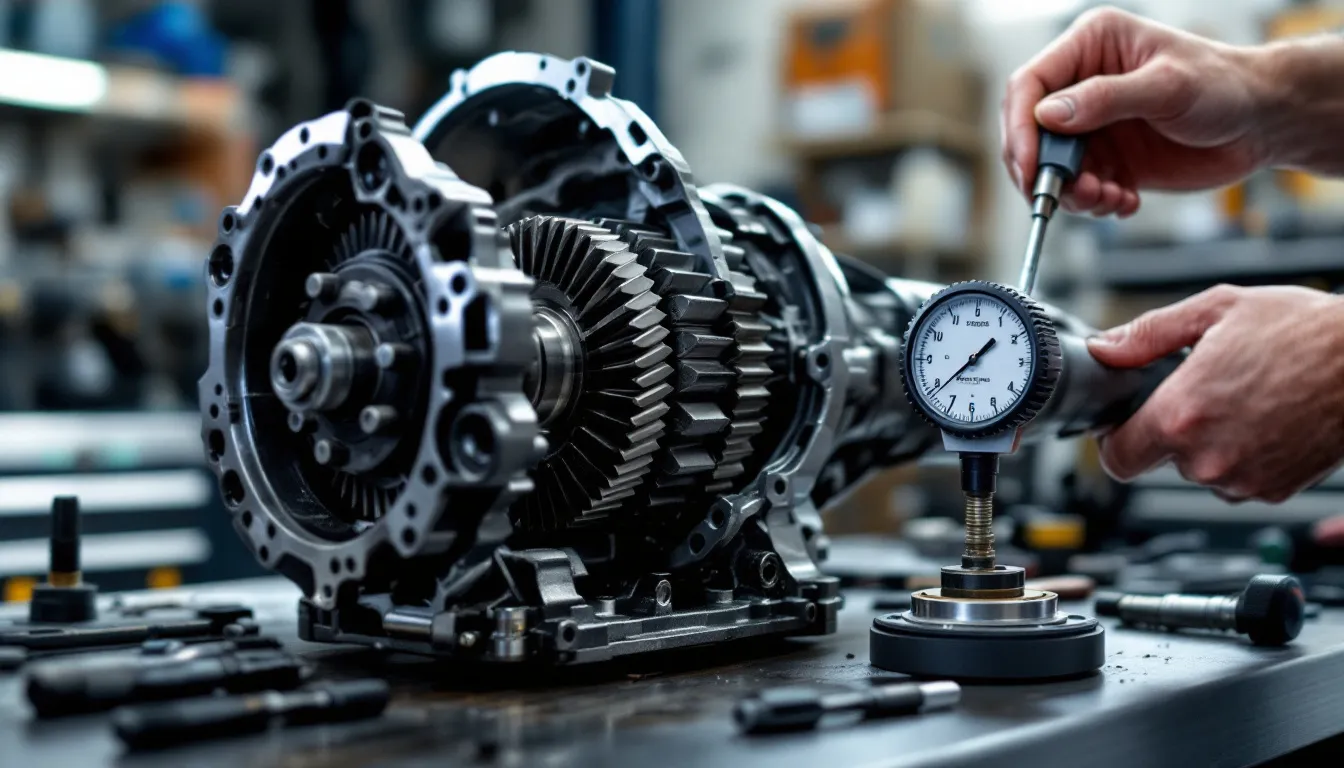
How to Regear Jeep JK: Complete DIY Guide to Changing Gear Ratios
Best Front Sway Bar Links for Jeep JK: Quick-Disconnect & Heavy-Duty Options
Find the right front sway bar links for your Jeep JK. Compare quick-disconnect vs fixed links, learn compatibility by model year and lift height, and improve both trail articulation and daily driving.
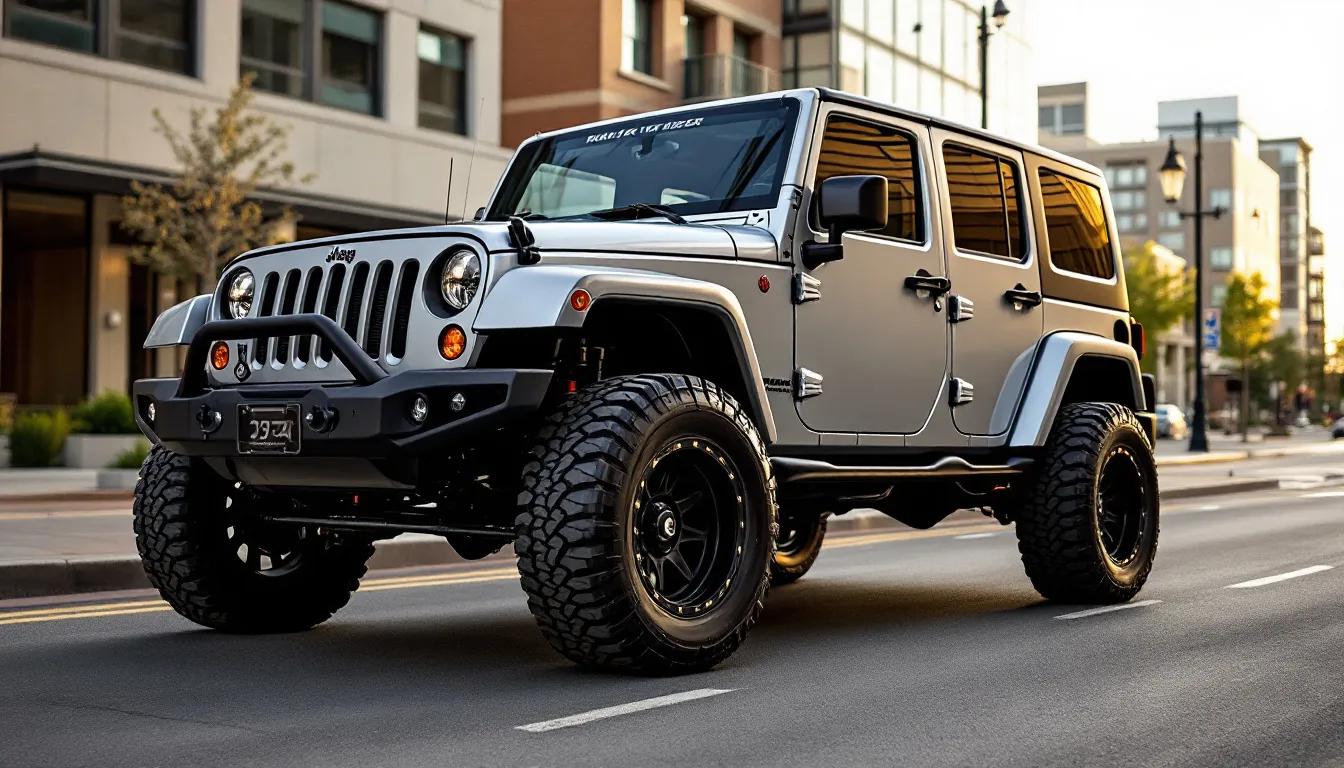
Best Lift Kit for Daily Driving Jeep JK: Comfortable Street Options
Find the best lift kit for daily driving your Jeep JK with our expert guide covering ride quality, fuel economy, and street-friendly lift options.