JK Gear Ratio Guide: What Gears for 33s, 35s & 37s

After installing a lift and larger tires on your JK, you might notice something’s off. The acceleration feels sluggish. The automatic transmission hunts for gears. Highway RPMs dropped but the engine seems to be working harder. Your fuel economy tanked instead of staying the same.
These are classic signs you need to regear. Using a JK gear ratio calculator approach, we’ll help you find exactly what gears match your tire size, transmission type, and driving style.
Why Regearing Matters After Bigger Tires
Your JK’s factory gear ratio was engineered around stock tire diameter. When you install larger tires, you effectively change that ratio without touching the gears themselves.
Here’s the physics: larger tires cover more ground per revolution. A 35-inch tire travels about 110 inches per rotation. A stock 32-inch tire only travels about 100 inches. That’s a 10% difference - meaning your engine has to work 10% harder to achieve the same results.
The symptoms show up everywhere:
Acceleration suffers: Your engine doesn’t have the mechanical advantage it needs. What used to feel peppy now feels like you’re towing a trailer.
Transmission issues (automatics): The computer doesn’t know about your bigger tires. It shifts based on speed sensors, causing constant hunting between gears and harsh shifts.
Fuel economy drops: Counter-intuitively, larger tires don’t automatically improve MPG. The engine works harder, staying in lower gears longer, burning more fuel.
Overheating concerns: Working harder means generating more heat. Transmission temperatures climb, especially when towing or climbing grades.
Premature wear: Running the wrong gearing stresses your drivetrain components - transmission, transfer case, and axles all take the hit.
A JK regear restores the mechanical advantage your engine needs, making your Jeep drive like it should with larger tires.
Understanding JK Stock Gear Ratios
Before discussing upgrades, let’s understand what Jeep installed from the factory.
Stock JK Gear Ratios by Model
| Model/Year | Standard Ratio | Optional Ratio | Notes |
|---|---|---|---|
| Sport (2007-2011) | 3.21 | 3.73 | 3.21 only with auto |
| Sport (2012-2018) | 3.21 | 3.73 | Same as earlier |
| Sahara (all years) | 3.21 | 3.73 | 3.73 sometimes standard |
| Rubicon (all years) | 4.10 | - | Always 4.10 |
What These Numbers Mean
A 3.21 gear ratio means the driveshaft rotates 3.21 times for every one rotation of the wheels. Higher numbers (like 4.88) mean more driveshaft rotations per wheel rotation.
Lower numerical ratio (3.21): Better fuel economy, lower RPMs at highway speed, but less torque at the wheels.
Higher numerical ratio (4.88): More torque multiplication, better acceleration, but higher RPMs at highway speed.
Think of it like a bicycle: the higher gear ratio is your climbing gear (easier to pedal but slower), while the lower ratio is your speed gear (harder to pedal but faster).
The Effective Ratio Problem
When you install larger tires, you change the effective ratio without touching the gears.
Example: Stock JK with 3.73 gears and 32-inch tires
- Effective ratio: 3.73
Same JK with 35-inch tires (no regear):
- Effective ratio: approximately 3.41
You’ve essentially turned your 3.73 gears into 3.41 gears. That’s why everything feels sluggish - you’re running numerically lower gears than Jeep engineered.
JK Gear Ratio Calculator: Matching Gears to Tire Size
This is the core reference you need. These recommendations restore performance similar to stock with your larger tires.
Gear Ratio Recommendations by Tire Size
| Tire Size | Stock 3.21 | Stock 3.73 | Stock 4.10 (Rubicon) |
|---|---|---|---|
| 33” | 4.10 (recommended) | Fine as-is | Fine as-is |
| 35” | 4.88 (required) | 4.56 or 4.88 | 4.56 (optional) |
| 37” | 5.13 (required) | 4.88 (required) | 4.88 (required) |
| 40”+ | 5.38+ | 5.13+ | 5.13 minimum |
Detailed Breakdown: Gear Ratio for 35s
35-inch tires are the most popular upgrade, so let’s dig deeper into the options.
If you have 3.21 gears: Regearing is essential. Go with 4.88 gears for the best results. Your JK will feel transformed.
If you have 3.73 gears: You can survive without regearing, but performance suffers. 4.56 gears work well with automatics. 4.88 gears are better for manuals and anyone who wants responsive power.
If you have 4.10 gears (Rubicon): You can run 35s without regearing. The combination works, though it’s not optimal. 4.56 gears provide a noticeable improvement if you want to invest.
The Math Behind the Recommendations
To calculate ideal gear ratio for any tire size:
Formula: (New Tire Diameter / Stock Tire Diameter) x Stock Gear Ratio = Target Ratio
Example for 35s on a 3.73 JK:
- Stock tires: 32 inches
- New tires: 35 inches
- Stock gears: 3.73
- Calculation: (35/32) x 3.73 = 4.08
This tells you 4.10 gears would restore stock performance. Most owners prefer going slightly higher (4.56 or 4.88) for better than stock performance, especially since you’re already doing the work.
Manual vs Automatic Transmission Considerations
Your transmission type significantly affects gear choice. The 6-speed manual and automatic (4-speed early, 5-speed later) have different characteristics.
Automatic Transmission Recommendations
The automatic transmission’s torque converter provides some mechanical advantage at low speeds, giving you more flexibility.
| Tire Size | Recommended Ratio | Notes |
|---|---|---|
| 33” | 4.10 | Optional upgrade from 3.21 |
| 35” | 4.56 | Sweet spot for daily driving |
| 37” | 4.88 | Required for acceptable performance |
Why automatics can run slightly lower ratios:
- Torque converter multiplication helps launch
- Computer manages shift points (somewhat)
- Less driver input required in traffic
Manual Transmission Recommendations
Manual transmissions demand more from the gear ratio because you’re managing everything yourself. Stalling at intersections and lugging in low gears gets old fast.
| Tire Size | Recommended Ratio | Notes |
|---|---|---|
| 33” | 4.10 | Highly recommended from 3.21 |
| 35” | 4.88 | Necessary for comfortable driving |
| 37” | 5.13 | Required - 4.88 will feel sluggish |
Why manuals need higher ratios:
- No torque converter to help
- Clutch engagement is more critical
- Low-speed maneuvers require more available torque
- Stalling in traffic is annoying and dangerous
Real-World Feedback
Most manual transmission owners who regeared to 4.56 for 35s report wishing they’d gone with 4.88. The slight increase in highway RPM is worth the dramatically improved drivability.
Recommended Products
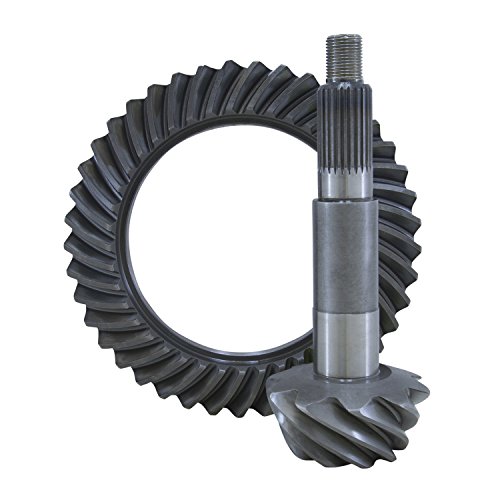
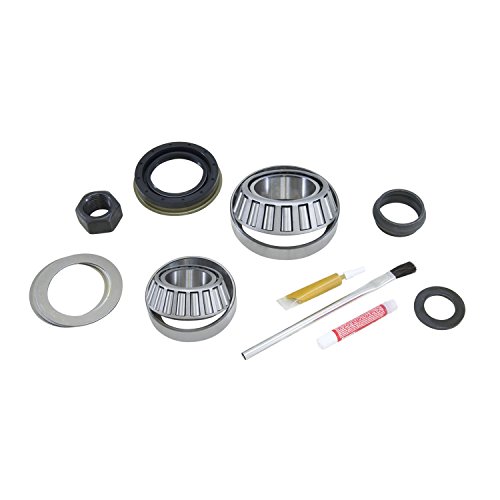
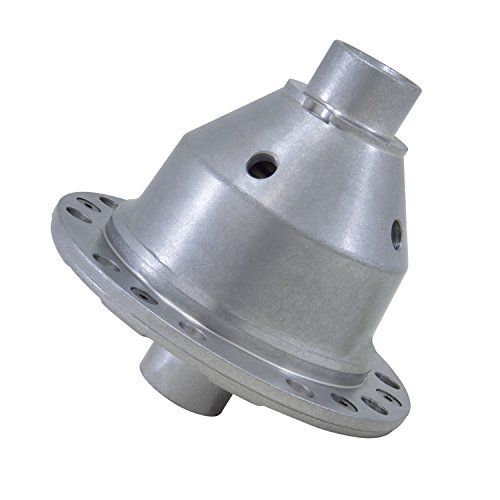
Dana 44 Gears vs Dana 30 Gears
JK front axles came in two versions: Dana 30 (Sport, Sahara) and Dana 44 (Rubicon). Your axle type affects gear selection.
Dana 30 Front Axle (Sport/Sahara)
The Dana 30 is adequate for 33-inch tires and moderate use with 35s. Gear options are readily available.
Common Dana 30 gear ratios: 3.73, 4.10, 4.56, 4.88, 5.13, 5.38
Considerations:
- Gear sets are slightly less expensive than Dana 44
- Master install kits widely available
- Axle strength becomes the limiting factor with 37s+
Dana 44 Axles (Rubicon and Upgraded Rigs)
Rubicons came with Dana 44 front and rear. Many Sport/Sahara owners upgrade to Dana 44 fronts when running larger tires.
Common Dana 44 gear ratios: 3.73, 4.10, 4.56, 4.88, 5.13, 5.38
Considerations:
- Stronger axle handles bigger tires better
- Gear sets cost slightly more
- Required if running 37s+ seriously
Matching Front and Rear Ratios
Critical: Both axles must have identical gear ratios. Running mismatched gears causes:
- Transfer case binding in 4WD
- Premature drivetrain wear
- Potential catastrophic failure
When ordering, always buy matching ring and pinion sets for both axles.
Ring and Pinion Brands: Yukon, Revolution, Motive
Not all gear sets are created equal. Quality matters for longevity and noise levels.
Premium Tier: Yukon Gear
Cost: $250-350 per axle
Pros:
- Excellent quality control
- Quiet operation when properly set up
- Strong warranty
- Made to OEM specifications
Cons:
- Higher price point
- Sometimes backordered on popular ratios
Best for: Owners who want peace of mind and plan to keep the Jeep long-term.
Mid-Range: Revolution Gear
Cost: $180-280 per axle
Pros:
- Good value for quality
- Consistent manufacturing
- Growing reputation in the Jeep community
- Good availability
Cons:
- Less established than Yukon
- Slightly more setup-sensitive
Best for: Budget-conscious builders who still want quality.
Budget-Friendly: Motive Gear
Cost: $150-250 per axle
Pros:
- Affordable entry point
- Widely available
- Works fine when properly set up
Cons:
- More variance in quality
- May require more setup time
- Can be noisier than premium options
Best for: Budget builds, beater rigs, or if you’re learning to set up gears yourself.
Our Recommendation
For most JK owners, Yukon or Revolution gear sets offer the best balance of quality and value. The extra $100-200 over budget options pays off in quieter operation and longer life.
If you’re paying shop labor for installation, don’t cheap out on the parts. Labor is the expensive part - quality gears cost marginally more but last significantly longer.
Complete Cost Breakdown for JK Regear
Understanding the full cost helps you budget properly and avoid surprises.
Parts Cost
| Component | Budget | Mid-Range | Premium |
|---|---|---|---|
| Front ring and pinion | $150 | $200 | $300 |
| Rear ring and pinion | $150 | $200 | $300 |
| Front master install kit | $80 | $120 | $150 |
| Rear master install kit | $80 | $120 | $150 |
| Gear oil (3-4 quarts) | $30 | $50 | $80 |
| Parts Total | $490 | $690 | $980 |
Labor Cost
Professional gear setup requires specialized knowledge and tools. Expect:
| Shop Type | Labor Cost | Notes |
|---|---|---|
| Budget shop | $400-600 | May not have JK experience |
| Experienced Jeep shop | $600-900 | Worth the premium |
| Dealer | $800-1,200 | Quality work, highest cost |
Total professional installation: $1,500-2,500 including parts and labor.
DIY Considerations
Regearing is not a beginner project. It requires:
- Dial indicator and magnetic base
- Inch-pound torque wrench
- Bearing pullers
- Press or proper fixtures
- Gear marking compound
- Experience reading patterns
Reality check: Even experienced mechanics often send out gear work. Improper setup causes noise, premature wear, or catastrophic failure. If you’ve never done it, pay a professional the first time and learn by watching.
Cost-Saving Tips
Buy matching sets: Some manufacturers offer front/rear packages at a discount.
Time it with other work: If you’re rebuilding axles for lockers, do gears simultaneously and save on labor.
Avoid the cheapest shops: A bad gear setup means doing it twice. The shop that quotes $400 labor might cost you $2,500 when the gears fail.
Installation Complexity: What’s Involved
Understanding the process helps you appreciate why professional installation is usually worth it.
The Basic Process
- Remove axle shafts and differential cover
- Remove carrier assembly (contains ring gear)
- Press off old ring gear, press on new one
- Set up pinion: Install new bearing, set preload
- Install carrier: Set backlash and bearing preload
- Check gear pattern: Adjust until contact pattern is correct
- Reassemble: Torque everything to spec
- Break-in procedure: Easy driving for first 500 miles
Why It’s Difficult
Gear pattern interpretation: Reading the contact pattern on the gear teeth requires experience. The pattern tells you if the setup is correct or needs adjustment. Misreading it leads to premature failure.
Precision tolerances: Backlash (the gap between ring and pinion) is measured in thousandths of an inch. Too tight causes whining and heat. Too loose causes clunking and wear.
Preload settings: Bearing preload affects everything. Wrong preload causes bearing failure, which destroys your new gears.
Special tools: You need a bearing splitter, press, dial indicator setup, and inch-pound torque wrench at minimum. Renting or buying these tools adds to DIY cost.
Realistic DIY Assessment
Good DIY candidates:
- Experienced mechanics
- Those who’ve done gear setups before
- People with proper tooling
- Builders willing to learn (and potentially redo the job)
Should hire a professional:
- First-time regear
- Daily driver Jeeps
- Anyone without specialized tools
- Those who want guaranteed quiet operation
Signs You Need to Regear
Not sure if regearing is necessary? These symptoms indicate it’s time:
Definite Signs
- Constant downshifting on mild grades
- Sluggish acceleration from stops
- Transmission hunting between gears (automatics)
- Engine lugging in normal driving situations
- Significantly worse MPG than expected
- Overheating transmission or transfer case
Borderline Cases
- Slightly slower acceleration but manageable
- 1-2 MPG loss from larger tires
- Occasional hunting in specific conditions
If symptoms are mild and you’re running 33s, you may not need to regear. If symptoms are obvious or you’re running 35s+, regearing transforms the driving experience.
Common Regearing Mistakes to Avoid
Learn from others’ expensive lessons.
Choosing the Wrong Ratio
Going too conservative (4.56 when you needed 4.88) leaves you with a sluggish Jeep. Going too aggressive (5.13 for 35s) means highway cruising at unnecessarily high RPMs.
Our advice: Err toward the higher ratio. The extra 200 RPM at highway speed is worth the significantly better acceleration.
Cheap Gear Sets
Budget gears often have quality control issues. They may work fine or may whine from day one. The risk isn’t worth the $100-150 savings when labor costs $600+.
Reusing Installation Hardware
Always use new bearings, shims, and seals. The master install kit exists for a reason. Reusing old bearings is asking for failure.
Skipping Break-In
New gears need 500 miles of gentle driving before heavy use. Avoid towing, aggressive driving, or extended 4WD use during break-in. The gear surfaces are seating during this period.
DIY Without Experience
We’ve seen too many JKs come into shops with noise after a DIY regear. Often the owner has to pay for the job twice - once for their attempt and once to fix it properly.
What Comes After Regearing?
Once you’ve regeared, your JK is optimized for your tire size. But there are related modifications to consider.
Related Upgrades
Lockers: If you opened the axles for gears, adding lockers at the same time saves labor. See our guide on Rubicon vs Sport differences for more on factory lockers.
Axle shafts: Running 37s+ may warrant upgraded axle shafts, especially in the Dana 30 front.
Differential covers: Heavy-duty diff covers add strength and cooling capacity.
Maintenance After Regearing
Check fluid at 500 miles: Drain and inspect for metal shavings. Some is normal; excessive amounts indicate a problem.
Re-torque: Check carrier bolts and diff cover at 500 miles.
Regular fluid changes: Gear oil every 30,000 miles or annually, whichever comes first.
The Bottom Line
Regearing is one of the best investments you can make after lifting and adding larger tires. It restores the drivability Jeep engineered, improves fuel economy over running incorrect gearing, and makes your JK actually fun to drive again.
For 33-inch tires: Optional but beneficial, especially with 3.21 gears.
For 35-inch tires: Strongly recommended. 4.56 for automatics, 4.88 for manuals.
For 37-inch tires: Required. No way around it.
Use the JK gear ratio calculator recommendations in this guide as your starting point, factor in your transmission type, and don’t cheap out on the gear sets or installation. Done right, a regear lasts the life of the vehicle and transforms how your Jeep drives.
Related Articles
- Complete JK Lift Kit Guide - The companion piece to this gear ratio guide
- Best JK Lift Kits by Budget - Lift recommendations by price point
- JK Wheels and Tires Guide - Everything about tire sizing and fitment
- Rubicon vs Sport vs Sahara - Stock gear ratios by trim level
- JK Death Wobble: Causes and Fixes - Drivetrain issues can cause steering problems
Related Guides
Explore more JK upgrade guides to complement your build:
- Best JK Shocks — shock absorber options
- Best 3.5-4 Inch Lifts — mid-range lift kits
- Lift Kit Installation — step-by-step installation guide
- Regear Cost Guide — regearing costs and options
- Steering Stabilizer — steering stability after lift
- Best Track Bar — track bar upgrade
- Best Control Arms — adjustable control arms
Frequently Asked Questions
What gear ratio do I need for 35 inch tires on a JK?
For 35-inch tires, the ideal gear ratio depends on your transmission. Automatic transmissions work well with 4.56 gears, providing good acceleration while maintaining reasonable highway RPMs. Manual transmissions benefit from 4.88 gears due to the lack of torque converter assistance. If you have stock 3.21 gears, regearing is essential for acceptable performance. With 3.73 gears, you can technically survive without regearing, but acceleration will be noticeably sluggish. Rubicons with 4.10 gears can run 35s without regearing, though 4.56 provides improvement.
How much does it cost to regear a Jeep JK?
A complete JK regear typically costs $1,500-2,500 including parts and professional labor. Parts alone (ring and pinion sets for both axles plus master install kits) run $600-1,000 depending on brand quality. Labor at an experienced Jeep shop runs $600-900. Premium gear brands like Yukon cost more upfront but provide quieter operation and longer life. Avoid the temptation to go with the cheapest shop - improper gear setup leads to noise or failure, meaning you pay twice.
Can I regear just one axle on my JK?
No, you must always regear both axles to matching ratios. When in 4WD, both axles must turn at the same speed. Mismatched gear ratios cause the transfer case to bind, creating stress throughout the drivetrain. This leads to premature wear on the transfer case, axles, and driveshafts, and can cause catastrophic failure. The only exception is if one axle already has the ratio you want - but this is rare. Always plan to regear front and rear together.
Do I need to regear with 33 inch tires?
Usually not. Stock 3.73 or 4.10 (Rubicon) gears handle 33-inch tires without significant issues. Even 3.21 gears are manageable, though you’ll notice slower acceleration and may experience more gear hunting in the automatic. Regearing with 33s is optional and mainly benefits those with 3.21 gears who want crisper performance. If you’re planning to eventually move to 35s, consider waiting and doing the regear then to avoid paying for the job twice.
What’s the difference between 4.56 and 4.88 gears?
The higher number (4.88) means more torque multiplication at the wheels. In practical terms, 4.88 gears provide better acceleration, improved towing capability, and more responsive throttle feel compared to 4.56. The tradeoff is slightly higher RPMs at highway speed - roughly 200-300 RPM more at 70 mph. For the same tire size, 4.88 gives a more spirited driving experience while 4.56 offers marginally better fuel economy. Most JK owners running 35s prefer 4.88, especially with manual transmissions.
Get the Free JK Build Planner
Complete PDF with mod checklists, gear ratios, tire sizing charts, and budget worksheets. Everything you need to plan your JK build.
No spam. Unsubscribe anytime. By subscribing, you agree to our Privacy Policy.
Frequently Asked Questions
What gear ratio do I need for 35 inch tires on a JK?
For 35 inch tires, 4.56 gears work well with the automatic transmission, while 4.88 gears are recommended for manual transmissions. If you have stock 3.21 gears, regearing is essential. With 3.73 or 4.10 gears, you can get by but will notice sluggish performance.
How much does it cost to regear a Jeep JK?
Expect to pay $1,500-2,500 total for a JK regear including parts and labor. This covers both axles with quality ring and pinion sets (Yukon, Revolution, or Motive), installation, and proper setup. DIY parts alone run $600-1,000 for both axles.
Can I regear just one axle on my JK?
No. You must regear both axles to the same ratio. Running mismatched gears causes binding in 4WD, damages your transfer case, and creates unsafe handling. Always regear front and rear together.
Do I need to regear with 33 inch tires?
Usually not. Stock 3.73 or 4.10 gears handle 33s well. Even 3.21 gears are manageable with 33s, though acceleration will be noticeably slower. Regearing for 33s is optional and mainly benefits those with 3.21 gears who want better performance.
What's the difference between 4.56 and 4.88 gears?
4.88 gears provide more torque multiplication than 4.56, meaning better acceleration but slightly higher RPMs at highway speeds. For the same tire size, 4.88 gives more responsive power while 4.56 offers marginally better fuel economy. Most JK owners prefer 4.88 for 35s.
Jeep JK Guide
We're JK owners who've been building, breaking, and fixing Wranglers for years. Everything here is tested on our own rigs - no sponsored fluff, just honest recommendations.
Learn more about us →Get the JK Build Planner
Free PDF with complete build checklists, gear ratios, and tire fitment guides.
By subscribing, you agree to our Privacy Policy.
Related Articles
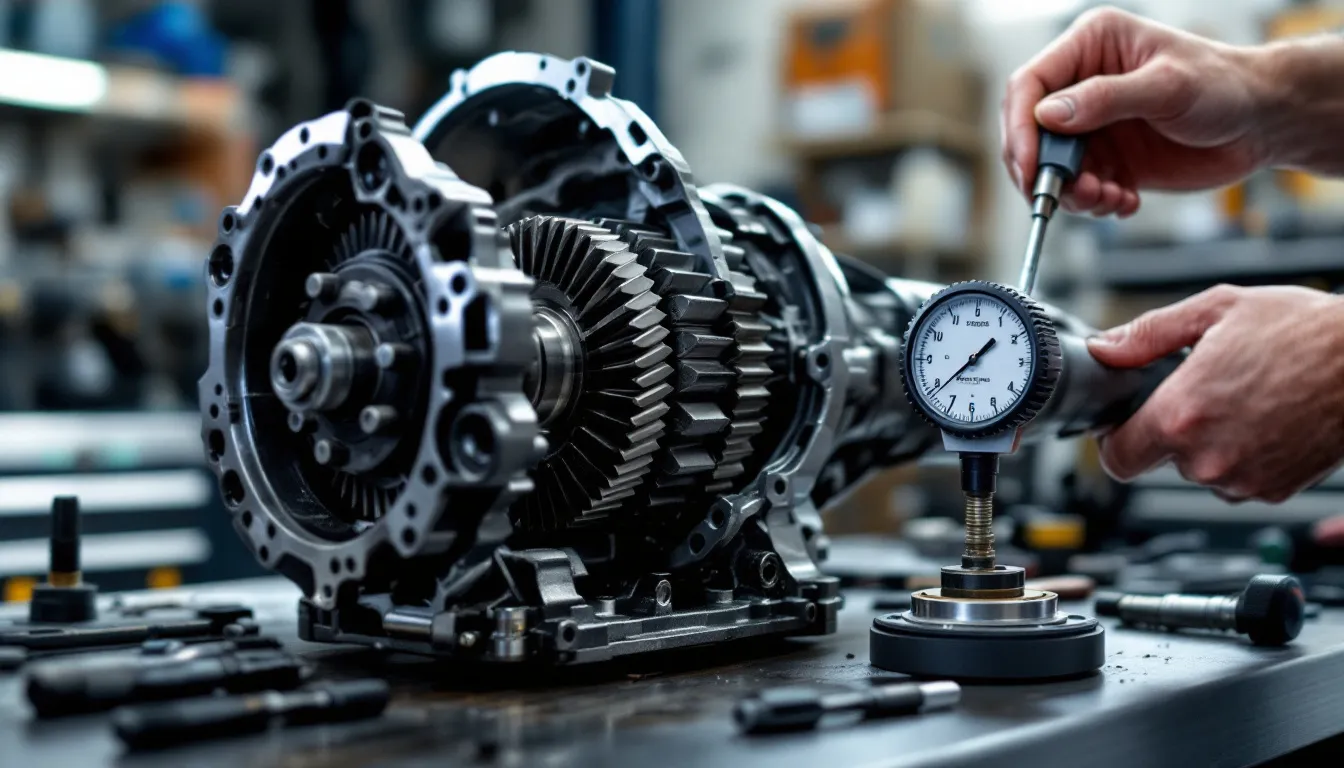
How to Regear Jeep JK: Complete DIY Guide to Changing Gear Ratios
Best Front Sway Bar Links for Jeep JK: Quick-Disconnect & Heavy-Duty Options
Find the right front sway bar links for your Jeep JK. Compare quick-disconnect vs fixed links, learn compatibility by model year and lift height, and improve both trail articulation and daily driving.
Best Lift Kit for Daily Driving Jeep JK: Comfortable Street Options
Find the best lift kit for daily driving your Jeep JK with our expert guide covering ride quality, fuel economy, and street-friendly lift options.