Best Beadlock Wheels for Jeep JK: True Beadlocks vs Beadlock-Style
Best Beadlock Wheels for Jeep JK: True Beadlocks vs Beadlock-Style
Let’s cut through the marketing noise: most people searching for beadlock wheels don’t actually need true beadlocks. If you’re running 10+ PSI on trails, beadlock-style wheels give you the aggressive look without the maintenance headaches or legal gray areas. True beadlocks only make sense below 8 PSI—and that’s extreme rock crawling territory, not your typical weekend trail run.
My approach to researching gear has always been simple: listen to what the JK community actually uses, not what spec sheets promise. After years of watching friends deal with beadlock maintenance schedules and talking to dozens of Jeep owners at trailheads, the pattern is clear. The vast majority who buy true beadlocks never air down low enough to justify them.
The decision point is simple: If you regularly air down below 8 PSI for technical rock crawling, true beadlocks prevent tire-bead separation. If you run higher pressures—even on aggressive trails—beadlock-style wheels deliver the look without the commitment. Before diving deeper, understanding JK wheel fitment basics will help you make sense of backspacing and offset requirements that apply to both wheel types.
This guide walks through the critical differences, maintenance realities, and specific JK fitment considerations so you can choose function over fashion.
True Beadlock vs Beadlock-Style: The Critical Difference
The difference between true beadlocks and beadlock-style wheels isn’t cosmetic—it’s functional and legal. Understanding which is which matters before you spend money.
| Feature | True Beadlock | Beadlock-Style |
|---|---|---|
| Construction | Outer ring bolts through tire bead to inner wheel | Decorative ring bolted to wheel face only |
| Function | Mechanically clamps tire bead, prevents separation at low PSI | No clamping function; purely aesthetic |
| PSI Range | Safe down to 3-5 PSI for rock crawling | Standard tire pressure limits apply (12+ PSI) |
| DOT Legality | Not DOT-approved for street use in most states | Fully street-legal nationwide |
| Maintenance | Re-torque bolts every 100 miles initially, then quarterly | Standard wheel maintenance only |
| Cost | $300-600 per wheel | $150-350 per wheel |
True beadlocks are not DOT-approved for street use. While enforcement varies by state, you’re technically operating outside legal parameters on public roads. Many serious wheelers accept this risk for dedicated trail rigs.
Visual identification is straightforward: On true beadlocks, the outer ring bolts pass through the tire bead itself—you’ll see bolt heads around the entire circumference with the tire sandwiched between the ring and wheel. On beadlock-style wheels, the decorative ring simply bolts to the wheel face with the tire seated normally behind it. The bolts don’t touch the tire bead at all.
The functional implications are enormous. True beadlocks let you run 5 PSI on slickrock without worrying about the tire rolling off the rim during a sidewall flex. Beadlock-style wheels look aggressive but offer zero functional advantage—the tire bead can still separate if you air down too low.
For proper wheel selection, you’ll also need to understand wheel offset and backspacing considerations to avoid clearance issues with your JK’s suspension and steering components.
Do You Actually Need Beadlocks for Your JK?
Here’s the honest decision framework based on how you actually use your Jeep:
Start with your typical minimum tire pressure:
- Running 12+ PSI on trails? You don’t need beadlocks at all.
- Airing down to 8-12 PSI occasionally? Beadlock-style gives you the look; true beadlocks are overkill.
- Regularly running 5-8 PSI for technical terrain? True beadlocks start making sense.
- Below 5 PSI for extreme rock crawling? True beadlocks are essential safety equipment.
Next, consider your terrain and frequency:
- Weekend warrior on moderate trails (fire roads, mild rock gardens)? Standard wheels work fine.
- Monthly trips to challenging terrain (sand dunes, rocky two-tracks)? Beadlock-style satisfies the aesthetic without maintenance burden.
- Regular technical crawling (Moab slickrock, Rubicon Trail, boulder fields)? True beadlocks earn their keep.
The maintenance commitment is the hidden cost nobody mentions upfront. True beadlocks require re-torquing every bolt around all four wheels at specific intervals. That’s 96-128 bolts per vehicle (24-32 per wheel) checked with a calibrated torque wrench. Budget 2-3 hours every quarter once broken in, plus weekly checks during the first month.
Think about your actual trail use. If you’re bombing through muddy trails with mud-terrain tires at 15 PSI, you’re nowhere near needing the bead retention of true beadlocks. Even bone-stock Rubicons handle the Rubicon Trail on factory wheels—understanding the Rubicon’s stock off-road capability puts the beadlock question in perspective.
The honest answer for most JK owners: You want beadlocks because they look incredible, not because you need their functional capability. That’s fine—just buy beadlock-style wheels and skip the maintenance schedule entirely.
The Maintenance Reality: What Beadlock Ownership Actually Requires
True beadlock maintenance isn’t complicated, but it’s non-negotiable. Skip the torque checks and you risk catastrophic tire failure.
Initial Break-In Torque Schedule (First 100 Miles):
- Torque all bolts to spec immediately after mounting (18-20 ft-lbs for most aluminum beadlocks)
- Re-torque after first 25 miles of driving
- Re-torque again at 50 miles
- Final break-in torque at 100 miles
- Transition to quarterly maintenance schedule
Ongoing Maintenance Schedule:
- Re-check torque every 3 months or after any significant wheeling trip
- Visually inspect bolt heads weekly for movement or missing bolts
- Clean mounting surfaces annually to prevent corrosion buildup
- Re-seal tire bead with bead sealant every 1-2 years depending on climate
Time commitment: Plan on 30-45 minutes per wheel for a proper torque check. That’s 2-3 hours per vehicle every quarter. The process isn’t difficult—it’s just tedious and non-optional.
Tools Required for Beadlock Maintenance:
- Calibrated inch-pound torque wrench (critical—standard ft-lb wrenches lack the precision needed)
- Anti-seize compound (copper or nickel-based)
- Torque pattern diagram (criss-cross pattern, never sequential)
- Thread-locking compound for initial installation
- Bead sealant for annual resealing
Here’s the surprise that catches new beadlock owners: Most tire shops won’t mount or service beadlock wheels. Liability concerns keep them away. You’re doing all tire mounting, balancing, and rotation yourself or finding a specialty off-road shop. That changes your maintenance equation significantly if you currently rely on discount tire chains for service.
The bolt torque pattern matters. Always work in a star/criss-cross pattern around the wheel, never sequential. Torquing bolts in order creates uneven clamping force and can warp the ring.
Best Beadlock-Style Wheels: Street-Legal Aggressive Look
Since true beadlock wheels exist in a legal gray area and our product database doesn’t include off-road-specific beadlock options, let’s focus on what makes a quality beadlock-style wheel and what specs matter for your JK.
Key Specifications for Beadlock-Style Wheels:
| Spec | 2-Door JK (Stock) | 4-Door JK (Stock) | Lifted JKs (2.5”+) |
|---|---|---|---|
| Bolt Pattern | 5x5” (5x127mm) | 5x5” (5x127mm) | 5x5” (5x127mm) |
| Diameter | 17” minimum | 17” minimum | 17-20” |
| Width | 8-9” | 8-9” | 9-10” for 35”+ tires |
| Backspacing | 4.5-5.5” | 4.5-5.5” | 3.5-4.5” for wider track |
| Load Rating | 1,500+ lbs/wheel | 1,750+ lbs/wheel | 2,000+ lbs/wheel |
| Hub Bore | 71.5mm minimum | 71.5mm minimum | 71.5mm minimum |
| Weight | 25-35 lbs | 25-35 lbs | 30-40 lbs for larger sizes |
| Typical Price | $180-280/wheel | $180-280/wheel | $200-350/wheel |
When shopping for beadlock-style wheels, look for established brands with proven JK fitment. Method Race Wheels, KMC, Fuel Off-Road, and Black Rhino all manufacture beadlock-style options specifically tested on JK platforms. Generic “Jeep compatible” wheels from unknown brands often have incorrect offset or insufficient brake caliper clearance.
The backspacing number is critical—more so than offset for JK applications. Factory backspacing runs 6.25” on Rubicon wheels. Aftermarket beadlock-style wheels typically range from 3.5-5.0” backspacing. Less backspacing pushes the wheel outward, giving you the aggressive stance but requiring fender modifications for larger tires.
What to Verify Before Purchase:
- Brake caliper clearance on Rubicon models (they have larger brakes than Sport/Sahara)
- Load rating matches your JK’s axle weight (especially for JKU/4-door models)
- Backspacing works with your lift height and tire size
- Hub-centric rings included if wheel bore exceeds JK hub diameter
- Warranty coverage includes off-road use (some manufacturers exclude this)
Material choice matters less for beadlock-style wheels than true beadlocks since they’re not handling extreme clamping loads. Cast aluminum offers the best cost-to-weight ratio for street-driven JKs. Forged aluminum reduces unsprung weight but doubles the price—only worthwhile for competition builds.
For detailed backspacing calculations and offset conversion, reference our comprehensive wheel sizing guide. Pay special attention to model year brake caliper differences if you’re shopping for a pre-2012 JK, as brake system changes affect minimum wheel diameter requirements.
The honest take: Beadlock-style wheels deliver 90% of the aggressive aesthetic at half the cost and zero maintenance burden compared to true beadlocks. For street-driven JKs that see trail use a few times per month, they’re the smart choice.
Best True Beadlock Wheels: For Serious Rock Crawling Only
True beadlock wheels represent serious off-road commitment. Remember: these are not DOT-approved for street use. If this is your daily driver, think carefully before proceeding.
Aluminum vs Steel True Beadlocks Comparison:
| Factor | Aluminum True Beadlocks | Steel True Beadlocks |
|---|---|---|
| Weight | 32-45 lbs per wheel | 45-65 lbs per wheel |
| Cost | $400-600 per wheel | $300-450 per wheel |
| Durability | Excellent for rocks; can crack on hard impacts | Nearly indestructible; bends rather than breaks |
| Corrosion Resistance | Excellent with proper anodizing | Requires powder coating; surface rust common |
| Ideal Use | Technical rock crawling where weight matters | Extreme abuse, competition, budget-conscious builds |
| Repairability | Difficult to repair cracks | Can be straightened if bent |
| Heat Dissipation | Better for sustained high-speed desert runs | Retains more heat during extended wheeling |
What to Look for When Shopping True Beadlocks:
Start with proven manufacturers: Raceline Beadlock Wheels, OMF Performance, Walker Evans, Trail Ready, and Method. These companies have decades of beadlock experience and actual engineering data backing their designs. Cheap Amazon beadlocks from unknown brands fail in catastrophic ways—saving $150 per wheel isn’t worth a tire separation on a steep descent.
Critical Specifications:
- Bolt count: 24-32 bolts per wheel (more bolts = more even clamping force but slower maintenance)
- Ring material: Match to wheel material (aluminum ring on aluminum wheel, steel on steel)
- Bead width: Minimum 1.5” clamping width; wider is better for extreme flex
- Internal gussets: Look for reinforcing ribs on the inner wheel barrel
- Torque spec: Should be clearly specified by manufacturer (typically 18-22 ft-lbs)
Internal Beadlock Technology (Sidebar): Some wheels use internal beadlock systems where the clamping ring sits inside the wheel rather than outside. These offer slightly easier tire changes and protect the beadlock mechanism from rock strikes, but they’re harder to service and typically cost 20-30% more. Brands like Hutchinson and Staun make internal beadlock systems. For most JK applications, traditional external beadlocks offer better value and easier maintenance visibility.
The aluminum vs steel debate comes down to your use case. Pure rock crawling where every pound of unsprung weight affects articulation and suspension performance? Aluminum is worth the premium. Competition Ultra4 racing or budget rock bouncer build? Steel’s indestructibility wins. Daily-driven JK that sees occasional extreme trails? You probably don’t need true beadlocks at all.
Common Mistakes When Buying True Beadlocks:
- Choosing incorrect backspacing and discovering tire clearance issues after mounting
- Buying single-piece beadlocks (where ring and wheel are welded) thinking they’re easier—they’re actually harder to maintain
- Ignoring valve stem positioning (some beadlock designs force awkward valve stem angles)
- Overlooking spare tire logistics (true beadlocks are heavy and won’t fit stock tire carriers)
Pair true beadlocks with appropriate rubber—all-terrain tires work well for mixed terrain, but most serious beadlock users run dedicated rock-crawling compounds with reinforced sidewalls.
Final reality check: True beadlocks cost $1,600-2,400 for a set of four, require specialized mounting tools and skills, demand quarterly maintenance, and technically can’t be legally driven on the street. They’re purpose-built tools for serious rock crawlers who regularly run single-digit PSI on technical trails. If that’s not your typical weekend, beadlock-style wheels serve you better.
Beadlock Installation & Torque Tips: Getting It Right the First Time
True beadlock installation isn’t rocket science, but it’s unforgiving of shortcuts. Follow the sequence precisely or risk tire failure.
Proper Torque Sequence (Critical):
- Clean all mounting surfaces with brake cleaner (remove every trace of oil, dirt, or old sealant)
- Apply thin coat of bead sealant to wheel bead seat and tire bead
- Mount tire and position beadlock ring, inserting all bolts finger-tight
- Apply anti-seize compound to bolt threads (prevents galling and corrosion)
- Torque bolts in star/criss-cross pattern to 50% of final spec
- Make second pass at 75% of final spec, same pattern
- Final pass at 100% of spec (typically 18-20 ft-lbs for aluminum, verify with manufacturer)
- Mark one bolt with paint pen as reference point for future torque checks
- Inflate tire to 15 PSI and inspect for even bead seating around entire circumference
- Re-torque after 25 miles, 50 miles, and 100 miles
Common Mistakes to Avoid:
- Using impact wrench for final torque (destroys bolt threads and creates uneven clamping)
- Torquing bolts in sequential order around wheel (warps ring and creates pressure points)
- Skipping anti-seize on bolt threads (guarantees seized bolts within 6 months)
- Over-torquing bolts thinking tighter is better (stretches bolts and reduces clamping force)
- Failing to verify torque wrench calibration (cheap torque wrenches drift out of spec quickly)
- Installing without bead sealant (slow air leaks are guaranteed on aluminum wheels)
Tool Requirements:
- Calibrated inch-pound torque wrench (beam-type more reliable than click-type for low torque values)
- Socket set with deep sockets for recessed bolt heads
- Copper or nickel anti-seize compound
- Bead sealant (not tire slime—actual bead sealer)
- Thread-locking compound (blue Loctite 242, never red)
- Paint pen for marking reference bolt
- Tire pressure gauge accurate to 1 PSI increments
When installing beadlock wheels, using Gorilla Automotive Beadlock Lug Nuts ensures your wheels stay secure during critical off-road situations. Quality lug nuts prevent loosening and are essential for any serious wheeling application.
The torque spec matters more than you think. Under-torqued bolts allow the ring to shift during side-loading, creating uneven clamping force and potential tire-bead separation. Over-torqued bolts stretch beyond their elastic limit, losing clamping force as the bolt permanently deforms.
Most true beadlock failures trace back to improper initial installation or skipped re-torque schedules. The first 100 miles are critical—bolts settle into the ring and wheel interface, requiring multiple re-torque sessions to maintain proper clamping force.
Beadlock Maintenance & Seal Care
Keeping your beadlock wheels properly sealed and maintained extends their lifespan significantly. Quality tire bead sealant prevents slow air leaks that develop over time as aluminum wheels expand and contract with temperature changes. Apply fresh bead sealant every 1-2 years depending on your climate and usage patterns.
Annual maintenance of your beadlock system should include thorough cleaning of all mounting surfaces, inspection for bolt corrosion, and fresh application of bead sealant. This proactive approach prevents the majority of beadlock-related issues that develop from neglect.
JK-Specific Fitment: What Works for 2-Door vs 4-Door Models
Beadlock wheel fitment on JKs follows the same rules as standard wheels, with a few additional considerations for tire mounting and balancing.
JK Beadlock Fitment Quick Reference:
| Trim Level | Min. Wheel Diameter | Typical Tire Sizes by Lift | Recommended Wheel Width | Backspacing Range |
|---|---|---|---|---|
| Sport/Sahara (Stock) | 17” | 255/75R17 to 285/70R17 | 8-9” | 4.5-5.5” |
| Rubicon (Stock) | 17” | 285/70R17 to 315/70R17 | 8-9” | 4.5-5.5” (min 17x8” for brake caliper) |
| 2.5” Lift (All Trims) | 17-18” | 315/70R17 to 35x12.50R17 | 9-10” | 3.75-4.5” |
| 3.5”+ Lift (All Trims) | 17-20” | 35x12.50R17 to 37x12.50R17 | 9-10” | 3.5-4.25” |
Rubicon-specific limitation: The larger brake calipers on Rubicon models (2007-2018) require minimum 17x8” wheels. Some beadlock designs with thick inner barrel sections won’t clear Rubicon brakes even at nominal 17” diameter. Always verify brake caliper clearance before purchasing.
The 2-door vs 4-door (JKU) difference matters primarily for load rating. Four-door models weigh 300-400 lbs more than 2-door JKs, increasing the per-wheel load. Add rock sliders, bumpers, roof rack gear, and recovery equipment, and you’re approaching or exceeding factory axle ratings. Choose wheels with load ratings at least 1,750 lbs per wheel for JKUs, 2,000+ lbs if heavily modified.
Backspacing becomes critical with beadlock wheels because you’re typically running wider tires. Moving from 5.5” backspacing (stock Rubicon) to 4.0” backspacing pushes the wheel centerline 1.5” outward. That’s the difference between rubbing fenders at full lock and clearing without issue.
Year-Specific Considerations:
- 2007-2011 JKs have smaller brake calipers; can run smaller diameter wheels (16” possible)
- 2012-2018 JKs all use larger brake system; require true 17” diameter minimum
- 2012+ Rubicons have slightly different steering geometry; verify tie-rod clearance at full lock with wide wheels
For complete fitment calculations including offset conversion and backspacing measurements, reference our detailed backspacing and offset guide. Understanding the Rubicon vs Sport vs Sahara key differences also helps identify which brake system your JK uses.
One final JK-specific note: If you’re running true beadlocks, your spare tire becomes a problem. True beadlocks are heavy—often 80-100 lbs mounted with a 35” tire. Factory tire carriers aren’t rated for that weight. Budget for a rear bumper with reinforced tire carrier or plan to carry no spare (many serious wheelers run this way).
Safety Monitoring: Tire Pressure Systems for Beadlock Setups
Running beadlock wheels—especially true beadlocks at extreme low pressures—demands reliable tire pressure monitoring. Installing a Tire Pressure Monitoring System (TPMS) gives you real-time alerts to pressure changes before they become critical. This is particularly important with true beadlocks where low-pressure operation is intentional and you need to catch unexpected drops immediately.
A quality TPMS system alerts you to slow leaks from bead sealer breakdown or loose bolts before catastrophic failure occurs. For trail rigs running true beadlocks at 5-8 PSI, this monitoring system is arguably more important than the beadlocks themselves.
Beadlock Wheels FAQ
FTC Disclosure: This article contains links to products. We may earn a commission if you make a purchase through these links, at no additional cost to you.
Are beadlock wheels street legal?
True beadlocks are not DOT-approved for street use because they haven’t passed federal safety testing standards. Enforcement varies by state—some ignore them entirely, others cite during vehicle inspections. Beadlock-style wheels with decorative rings are fully street-legal since they’re functionally identical to standard wheels. Most serious off-roaders accept the legal gray area for trail-only rigs.
How often do beadlock bolts need to be torqued?
Every 25, 50, and 100 miles during initial break-in, then quarterly thereafter. The first month is critical—bolts settle into the ring and wheel interface, requiring frequent re-torque checks. After the break-in period, check torque every 3 months or after any significant wheeling trip. Skip these checks and you risk bolt loosening, uneven clamping force, and potential tire-bead separation. Budget 2-3 hours per vehicle for each torque check session.
Can I mount tires on beadlocks myself?
Yes, but you need specific tools and meticulous attention to torque sequence. Most tire shops refuse to mount or service beadlock wheels due to liability concerns. You’ll need a calibrated torque wrench, anti-seize compound, bead sealant, and the patience to torque 24-32 bolts per wheel in the correct criss-cross pattern. The mounting process takes 45-60 minutes per wheel for first-timers. Once you’ve done a few sets, it becomes straightforward but never fast.
Do I need beadlocks for 35-inch tires?
No—tire size doesn’t determine beadlock necessity; minimum air pressure does. Plenty of JKs run 35-inch tires on standard wheels at 15-18 PSI without issues. You only need true beadlocks if you regularly air down below 8 PSI for technical rock crawling. The aggressive look of beadlock-style wheels works great with 35s, but the functional clamping of true beadlocks only matters at extreme low pressures where tire-bead separation becomes a real risk.
What’s the difference between beadlock and beadlock-style wheels?
True beadlocks mechanically clamp the tire bead between an outer ring and inner wheel using 24-32 bolts that pass through the tire bead itself. This prevents tire-bead separation at low pressures (5-8 PSI). Beadlock-style wheels have a decorative ring bolted to the wheel face that mimics the beadlock look but doesn’t contact the tire bead—they’re functionally identical to standard wheels and can’t prevent bead separation. The visual difference: true beadlock bolts sandwich the tire bead; beadlock-style bolts attach to the wheel face only.
For more information on matching beadlock wheels with appropriate tire choices, see our complete JK wheels and tires guide.
Final Verdict: Choose Function Over Fashion
Most JK owners shopping for beadlock wheels want the aggressive aesthetic, not the functional capability. That’s honest—and beadlock-style wheels deliver exactly that without maintenance burden or legal complications.
Buy true beadlocks only if you check all these boxes: regular rock crawling below 8 PSI, willingness to re-torque 96+ bolts quarterly, comfort operating in a legal gray area, and ability to mount/service tires yourself. That describes maybe 5% of JK owners.
For everyone else? Beadlock-style wheels give you the look with zero compromise on daily drivability. Pair them with quality mud-terrain tires, set proper backspacing for your lift, and enjoy trails without the maintenance schedule hanging over your head.
The JK platform’s capability extends far beyond what most owners use—understanding the JK vs JL comparison reinforces how capable these rigs are on factory equipment. Choose wheels that match your actual use, not the extreme scenarios you might encounter once per year. Function always beats fashion when you’re miles from pavement.
Get the Free JK Build Planner
Complete PDF with mod checklists, gear ratios, tire sizing charts, and budget worksheets. Everything you need to plan your JK build.
No spam. Unsubscribe anytime. By subscribing, you agree to our Privacy Policy.
Jeep JK Guide
We're JK owners who've been building, breaking, and fixing Wranglers for years. Everything here is tested on our own rigs - no sponsored fluff, just honest recommendations.
Learn more about us →Get the JK Build Planner
Free PDF with complete build checklists, gear ratios, and tire fitment guides.
By subscribing, you agree to our Privacy Policy.
Related Articles
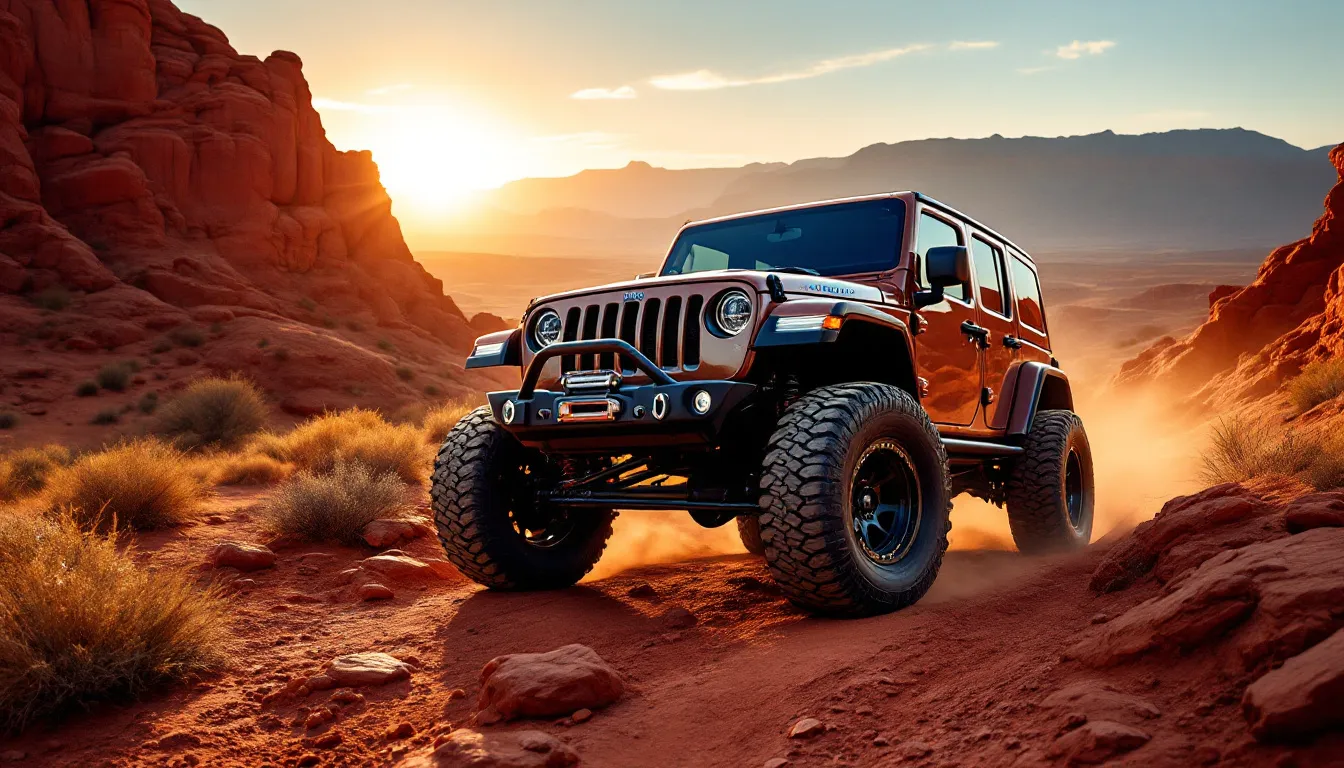
Best 37 Inch Tires for Jeep JK: Heavy-Duty Off-Road Options
Best 37 tires for Jeep JK balance rock traction and durability. Compare top options, required mods, and real costs for running 37s on your Wrangler.
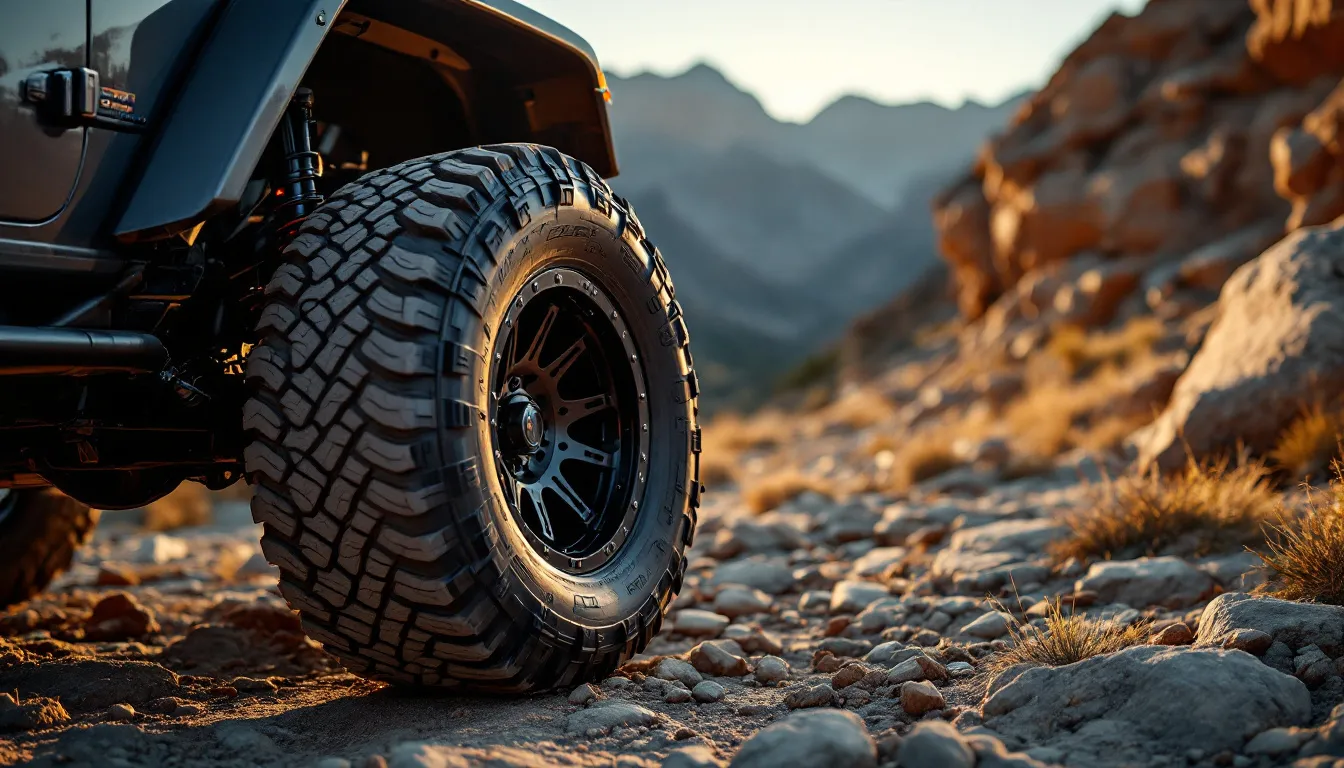
Best Gear Ratio for 37 Inch Tires on Jeep JK: Complete Regearing Guide
Running 37s on your JK? Choose 5.13 gears for 3.6L engines or 5.38 for 3.8L and heavy builds. Complete regearing guide with real-world cost breakdown.
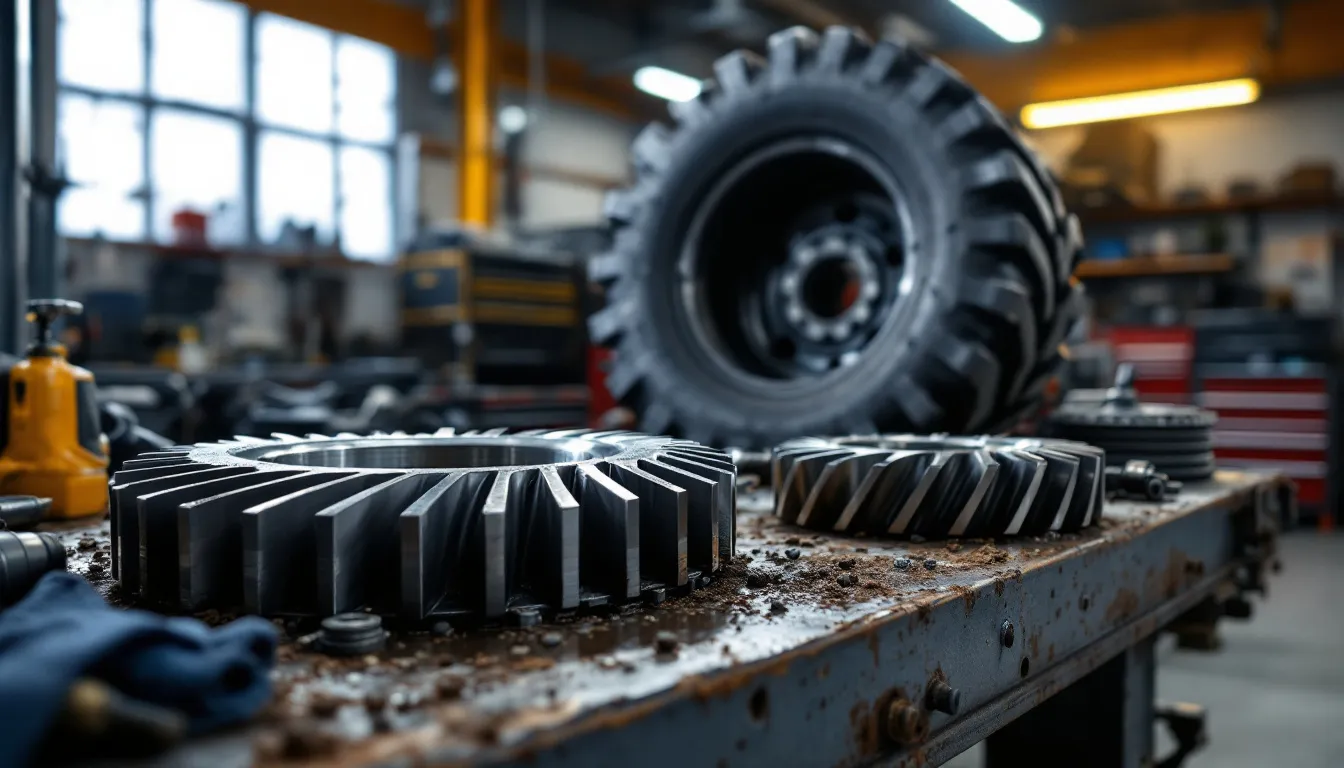
Best Gear Ratio for 35 Inch Tires on Jeep JK Manual: Expert Guide
4.56 gears are ideal for manual JK on 35s—balances highway rpm, acceleration, and torque. Learn why stock 3.73 fails and when to choose 4.88 instead.