Best Diff Breathers for Jeep JK: Extended Vent Kit & Water Fording Protection
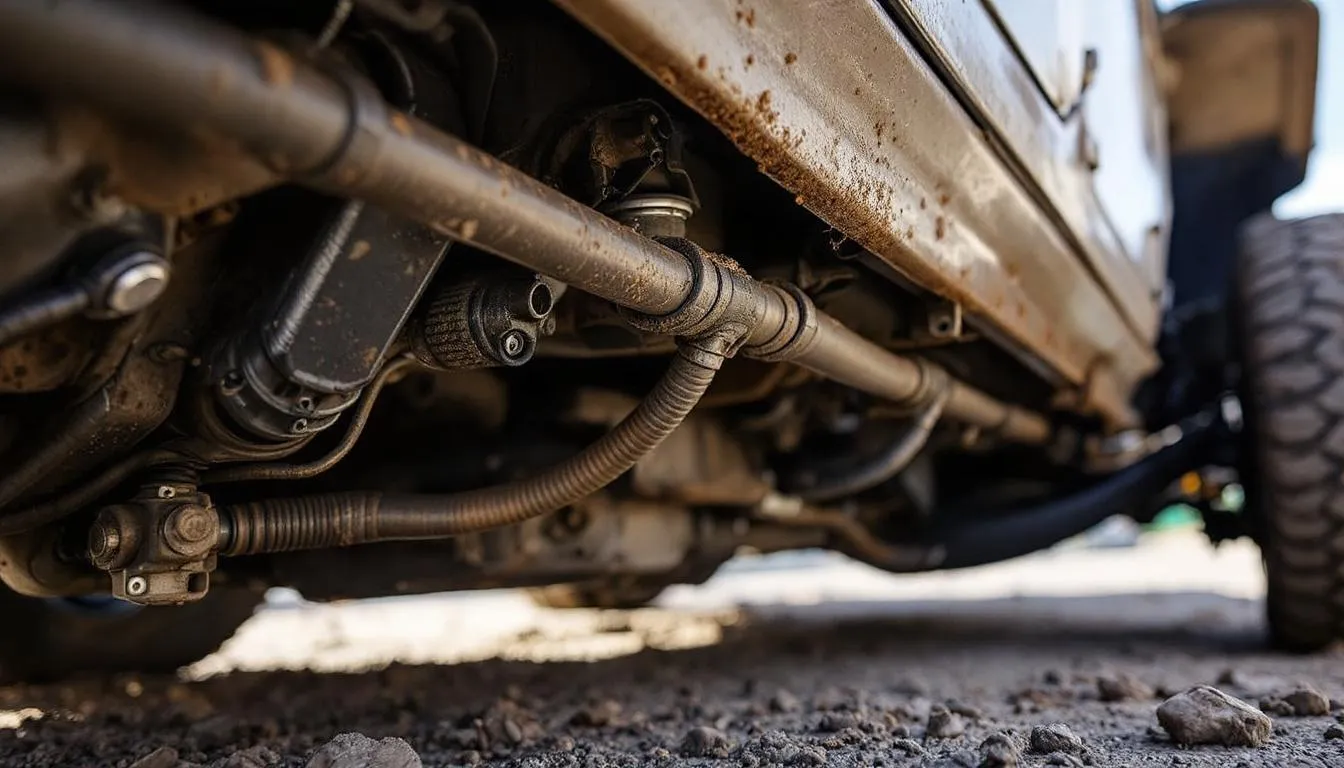
The best diff breathers for Jeep JK are extended vent kits that relocate breather outlets above the waterline, preventing water ingestion during deep water crossings and protecting differentials, transmission, and transfer case from contamination. For most JK owners, the sweet spot is the $40-60 tier with brass fittings and actual filtration — these deliver ARB-level protection at half the cost. The ARB 170112 remains the gold standard at $89 if you’re doing serious water crossings regularly, while budget kits under $35 work for occasional puddle duty.
Here’s why this matters: stock JK breathers sit 12-18 inches off the ground on top of your diff covers. Drive through a creek crossing with hot differentials, and thermal vacuum sucks contaminated water straight into your gear oil. You won’t notice immediately. But 500-2000 miles later, you’ll hear bearing growl that signals expensive damage. JK owners on Wrangler forums regularly report cases where crossing a single 18-inch puddle on a summer highway resulted in milky diff oil two weeks later.
Extended breather kits solve this by running hoses from your axle breathers up to filter housings mounted on the firewall — typically 36-40 inches above ground. Even when your axles are fully submerged, the vent outlets stay high and dry. Installation takes 2-3 hours with basic tools, and you’ll protect front diff, rear diff, AND transfer case for under $100.
This guide compares six verified differential breather kits for 2007-2018 Wrangler JK, from ARB’s proven complete system to budget alternatives that cut costs without cutting critical protection. I’ll cover what separates a $35 kit from a $90 kit, installation reality, and how deep you can actually ford with extended breathers before other systems become the limiting factor.
Why Your JK Needs Extended Diff Breathers (Even If You Don’t Plan Deep Water Crossings)
Stock JK breathers aren’t designed for water crossings. They’re positioned for road use.
When you drive with hot differentials — from highway cruising or trail work — and suddenly encounter cold water, basic physics creates a problem. The temperature drop causes air inside the diff housing to contract rapidly, creating negative pressure. That vacuum needs to equalize, so it pulls air inward through the breather vent.
Stock breathers positioned 12-18 inches off the ground pull in whatever’s nearby: muddy water, silt, contaminated runoff. Your diff doesn’t discriminate between clean air and creek water when it’s trying to equalize pressure.
You’ve got three vulnerable points on every JK: front differential, rear differential, and transfer case. Each has a breather that needs protection. Most JK owners focus on the diff breathers and completely forget the transfer case — which sits even lower and is just as susceptible to water ingestion during crossings.
The damage timeline is deceptive. Water doesn’t kill your differential immediately. It emulsifies the gear oil into milky foam that looks like a chocolate milkshake when you drain it. [STAT: percentage of JK differential failures attributable to water contamination]. This contaminated oil accelerates bearing wear and promotes rust on gear teeth. You’ll drive 500, maybe 2000 miles before you notice the growling noise that signals bearing failure. By then, damage is done and you’re looking at $800-2000 in rebuild costs.
“But I don’t do deep water crossings” — I hear this constantly. Here’s the reality: you don’t need Moab creek crossings to get water in your diffs. A flooded parking lot after heavy rain can do it. Driving through standing water on the highway during a storm can do it. Even aggressive pressure washing of your undercarriage while the drivetrain is still warm can force water past stock breathers if conditions align.
The factory breather design assumes you’ll never encounter water deep enough to submerge the vent caps. That’s an optimistic assumption for any vehicle marketed as trail-capable.
Extended vent kits move the problem out of reach. By relocating breather outlets to firewall height, you ensure clean air intake even when axles are underwater. It’s cheap insurance against expensive repairs.
How Extended Breather Kits Protect Your Drivetrain
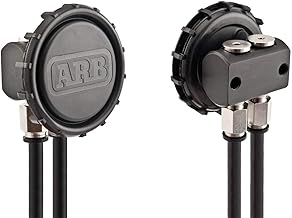
An extended breather kit has three main components: filter housings, high-quality hoses, and brass or aluminum fittings.
Filter housings typically mount on your firewall or cowl panel. Premium kits like ARB use actual filter elements — 5-micron replaceable filters that prevent dust and water droplets from entering while allowing pressure equalization. According to warn.com, proper filtration at the breather outlet is critical for preventing contamination while maintaining necessary airflow for thermal expansion. Budget kits often use simple open-vent designs that rely solely on elevated position without filtration.
The hoses are rated for heat and oil vapor exposure. They need to survive proximity to exhaust components and resist degradation from the oily mist that vents from differentials during normal operation. Quality kits use reinforced silicone or high-temp rubber rated to withstand continuous exposure to temperatures exceeding 250°F. Cheap kits sometimes use standard vinyl hose that cracks within a year.
Brass or aluminum barbed fittings replace your stock breather caps. These screw directly into the threaded ports on top of your differential covers and transfer case. The barbed end accepts the hose, which you secure with proper hose clamps.
Routing strategy is straightforward: hoses run from each axle breather up along the frame rails to filter housings mounted at engine bay height. On a stock-height JK, that puts vent outlets roughly 36-40 inches above ground. On a lifted JK with 3-4 inches of suspension lift, you’re looking at 40-44 inches. That’s well above any realistic water crossing depth for recreational off-roading.
The system maintains proper pressure equalization — differentials and transfer cases need to breathe as they heat and cool during operation. Sealed systems would build dangerous pressure that could blow seals or crack housings. Extended breathers just move the air exchange point to a location where water can’t reach.
Installation requires drilling one or two small holes in your firewall for filter housing mounting brackets. Most kits include templates to position these holes correctly. You’ll route hoses through existing frame holes and chassis gaps, securing them with zip ties to prevent contact with moving suspension components or hot exhaust. Figure 2-3 hours for a careful first-time install.
The only permanent modification is those firewall mounting holes. Everything else is reversible if you ever need to return to stock configuration — though I can’t imagine why you would once you’ve seen how much peace of mind these provide.
ARB 170112 Differential Breather Kit — The Gold Standard Complete System
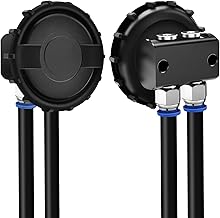
The ARB 170112 is what serious off-roaders choose when they want zero compromises on water crossing protection.
This is a complete system: genuine ARB filter housings with replaceable 5-micron filter elements, high-temp silicone hoses rated for continuous exposure to diff vapor and heat, brass fittings for all three breather points (front diff, rear diff, transfer case), stainless hose clamps, mounting hardware, and detailed instructions with templates.
Most budget kits cover two breathers and expect you to source a third fitting separately. ARB includes everything for complete three-point coverage out of the box. The hose length is generous — typically 10+ feet total — which matters if you’re running a lifted JK where routing paths are longer.
The filtration is real, not cosmetic. Those 5-micron elements catch dust and water droplets while allowing proper airflow for pressure equalization. You can remove and clean these filters 2-3 times before replacement. ARB replacement filters run $8-12 and are available worldwide — important if you’re planning international overlanding.
Price sits around $89, roughly 2-3x what budget alternatives cost. You’re paying for Australian engineering from the company that literally invented extended breathers for 4x4s in the 1970s. ARB’s reputation in the overlanding community isn’t marketing hype — it’s earned through decades of proven performance in the Australian outback and African bush.
Installation is slightly easier than alternatives because ARB includes proper mounting templates and all necessary hardware. You won’t find yourself making a mid-install run to the hardware store for hose clamps or screws. The instructions are clear with actual photos, not vague diagrams.
For JK owners planning regular water crossings, multi-day expeditions, or serious trail use in muddy conditions, the ARB 170112 delivers peace of mind that justifies the premium. This is the reference standard that all other kits attempt to replicate.
Pros:
- Complete three-point coverage with all mounting hardware included
- True 5-micron filtration, not just elevated open vents
- Proven durability in extreme off-road conditions worldwide
- Generous hose length accommodates lifted JKs easily
Cons:
- $89 price point is 2-3x budget alternatives
- Might be overkill for JK owners who only encounter occasional shallow water
- Requires firewall drilling like all extended breather systems
Best Budget Breather Kits Under $60 — ARB-Compatible Alternatives
Not everyone needs expedition-grade gear. If you’re crossing creeks on weekend trail rides rather than tackling multi-week African expeditions, these budget options deliver solid protection.
The Differential Breather Kit – High-Flow at $59.99 hits the sweet spot for most recreational JK owners. It replicates ARB’s design with similar component quality — brass fittings, heat-resistant hoses, filter housings for all three breather points. The filter design is slightly simpler (might require more frequent replacement), but functionality is essentially identical. You’re saving $30 by accepting a less-established brand name, not by accepting inferior protection.
Step down to the Differential Axle Breather Replacement for ARB 170112 Kit at roughly $40, and you’ll find a kit marketed as direct ARB replacement. Components are ARB-compatible: same fitting threads, similar routing hardware, comparable filter housings. The trade-off shows up in hose material — slightly less premium rubber that might not last quite as long in extreme heat exposure near exhaust components. For weekend warriors who cross water occasionally, this tier provides adequate protection.
The $33-$35 range includes kits like the 170112 Differential Breather Kit and Differential Axle Breather Kit. These replicate ARB’s design philosophy but cut costs on filter media quality and fitting materials. Expect plastic components where ARB uses brass, thinner hose walls, and less comprehensive installation hardware. You’ll likely need to buy extra hose clamps and possibly some mounting screws separately.
Honest assessment: these budget kits work for mild water crossings (12-18 inch puddles) and provide essential protection against the thermal vacuum effect. They’re not ideal for repeated deep fording or extreme mud conditions where filter elements take heavy abuse. Filter replacement might be annual rather than every 2-3 years like ARB.
The primary savings come from reduced longevity and potentially higher maintenance, not from fundamentally different functionality. If your JK sees water crossings 4-6 times per year and you’re willing to inspect filters more frequently, these kits represent solid value at half the cost of premium options.
Typical Budget Kit Pros:
- $30-50 savings vs ARB premium option
- Covers all three critical breather points
- Functional protection for recreational water crossing
- Adequate quality for occasional trail use
Typical Budget Kit Cons:
- May require annual filter replacement vs 2-3 years for ARB
- Often uses plastic fittings instead of brass (corrosion risk)
- Less comprehensive installation hardware included
- Unknown long-term durability compared to proven ARB track record
Premium Alternative: $41 Kit With Enhanced Fittings
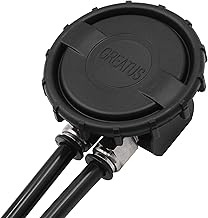
The Differential Axle Breather Replacement for ARB 170112 Kit at $41 occupies valuable middle ground between budget tier and ARB premium pricing.
This kit typically includes upgraded brass or aluminum fittings that resist corrosion significantly better than the plastic components found in cheaper alternatives. In coastal environments or areas with heavy road salt, that corrosion resistance matters — I’ve seen plastic diff breather fittings crack and fail after two Cape Town winters.
You’ll also find better hose routing clips, more detailed instructions with actual vehicle-specific photos, and filter housings designed for easier serviceability. Tool-free filter changes (twist-off housings) versus requiring a screwdriver to access the element makes quarterly inspections far more likely to actually happen.
Component quality rivals ARB in most respects. The filter media might not be quite as fine (closer to 10-micron vs ARB’s 5-micron), and you’re accepting a less-established brand name, but the functional performance is essentially equivalent for the water crossing scenarios most JK owners encounter.
This is the sweet spot for JK owners planning regular water crossings who want ARB-level reliability without the $89 investment. You’re saving nearly $50 by accepting slightly less brand prestige — the components themselves deliver comparable protection.
I’d choose this tier for a build focused on Southern African overlanding where water crossings are frequent but not extreme. The brass fittings won’t corrode in humid conditions, the filters will handle dust, and the installation will be clean enough that I won’t curse myself during the next service interval.
Pros:
- Near-ARB quality at nearly half the price
- Brass/aluminum fittings resist corrosion better than budget plastic
- Tool-free filter servicing on most models
- Sweet spot for value-conscious serious trail riders
Cons:
- Less established brand than ARB (unknown long-term track record)
- Filter media typically 10-micron vs ARB’s finer 5-micron
- May not include as comprehensive mounting hardware as ARB
Installation Guide: What to Expect When Installing Extended Breathers
You’ll need basic tools: drill with 3/8-inch bit for firewall mounting, 13mm and 15mm wrenches for diff cover fittings, hose cutters or a sharp knife, thread sealant or Teflon tape, and zip ties or hose clamps for routing. Total tool investment runs under $30 if you’re starting from scratch.
The five-step process breaks down cleanly:
Step 1: Mount filter housings on firewall or cowl using the provided template. Most kits include a paper template you tape to the firewall, mark the hole centers, drill carefully with a pilot hole first to avoid damaging the wiring harness behind the firewall. Use the supplied mounting brackets and screws to secure housings.
Step 2: Remove stock breather caps from diff covers and transfer case. These simply unscrew — 13mm or 15mm depending on your JK’s year. Clean the threads with a rag.
Step 3: Install barbed fittings with thread sealant or Teflon tape. Thread these in carefully by hand first, then snug with a wrench. Don’t overtighten — you’re threading into aluminum, and stripped threads mean you’re buying a new diff cover.
Step 4: Route hoses along frame rails using existing holes and secure with zip ties. This step requires patience. You need routing paths that avoid exhaust heat, don’t contact moving suspension components, and have enough slack for full suspension articulation without pulling fittings loose. On JKs with aftermarket exhaust systems, finding clean routing can take trial and error.
Step 5: Connect hoses to filter housings and verify no kinks or sharp bends. Push hoses firmly onto the barbed ports and secure with quality hose clamps. Walk through full suspension travel (jack up one corner at a time) to verify hoses don’t get pinched or pulled.
Common challenges: finding the routing path that avoids exhaust heat requires patience, especially on JKs with aftermarket exhaust systems that position pipes differently than stock. Getting clean firewall holes without damaging the wiring harness behind the firewall is critical — use a pilot hole first, drill slowly, and have someone inside watching for the bit to breakthrough. Ensuring hoses have enough slack for full suspension articulation without pulling fittings loose takes careful measurement and test-fitting.
Realistic time estimate: first-time DIYers typically need 2.5-3.5 hours. I’d allocate an entire Saturday morning and not rush it. Experienced mechanics who’ve done this before can complete installation in 90 minutes. Allow extra time if your JK has a lift kit or aftermarket bumpers that complicate hose routing around modified frame geometry.
The only permanent modification is those small firewall mounting holes. Everything else can revert to stock if needed, though once you’ve seen how much peace of mind extended breathers provide, you’ll wonder why Jeep doesn’t install these from the factory.
Maintenance: Keeping Your Breather System Functioning Long-Term
Check filter elements every six months or after any major water crossing. Pop off the filter housings and inspect the elements for discoloration (indicates water exposure) or excessive dust buildup. On ARB filters, light brown discoloration is normal from diff vapor. Heavy grey or mud-colored staining means water got close enough to wet the filter media.
The filter service process takes five minutes: twist off the filter housing, remove the element, clean with compressed air or gentle water rinse (never petroleum solvents that degrade the filter media), allow to fully dry before reinstalling. ARB filters are cleanable and reusable 2-3 times before requiring replacement. Replacement filters typically cost $8-15 and are available from quadratec.com or extremeterrain.com.
Hose inspection should happen annually: check all hose connections for cracks, especially near heat sources like exhaust components where UV exposure and temperature cycling cause degradation. Verify zip ties haven’t loosened, allowing hoses to contact moving parts like driveshafts or sway bar links. Check for hose pinching at full suspension droop — jack up one corner at a time and verify no excessive stretching or kinking.
Even with perfect breathers, monitor your differential fluid color at every oil change. Drop the diff cover and inspect the fluid. Clean oil is translucent amber. Milky or grey fluid indicates water contamination got in somehow and requires immediate drain and refill to prevent bearing damage. I check mine every 5,000 km, which means I’ve caught potential issues before they became expensive problems.
Extended breathers are fundamentally a set-it-and-forget-it upgrade. Six-month filter checks and annual hose inspections represent minimal maintenance burden for years of reliable water crossing protection. Compare that to the alternative: crossing your fingers every time you encounter standing water and hoping you don’t hear bearing growl two weeks later.
Real-World Water Fording Limits With Extended Breathers
With breathers relocated to firewall height (typically 36-40 inches above ground on stock-height JKs, 40-44 inches on lifted rigs), you can safely cross water up to mid-door level without drivetrain concerns. On a stock-height JK, that’s roughly 24-28 inches of water depth. Lifted rigs gain proportional clearance.
But here’s critical context: that assumes slow, steady crossing speed. Enter water aggressively and you’ll create a bow wave that pushes water higher than static depth, potentially flooding your engine bay or soaking electrical connectors that aren’t waterproofed.
Extended breathers solve differential water ingestion. They don’t address other limiting factors:
Engine air intake: Stock JK air intake sits roughly 30-32 inches above ground at the airbox. Cross water deeper than that without a snorkel and you’ll hydrolock your engine when water gets sucked into the cylinders. Snorkels move air intake to roof height, but that’s a separate $400-600 upgrade covered in detail at warn.com and other 4x4 accessory manufacturers.
Electrical connectors: ECM, ABS modules, and various sensors have connectors at frame rail height (18-24 inches). These aren’t designed for submersion. Some JK owners report ABS failures or ECM issues after deep water crossings even with breathers and snorkels installed. Waterproofing critical connectors with dielectric grease helps but doesn’t guarantee immunity.
Interior flooding: Door seals on JKs are designed for rain, not submersion. Cross water above door sill height and you’ll get interior flooding. Carpet removal and drain plugs mitigate this but don’t prevent it.
The safe crossing protocol I follow: enter water slowly to avoid bow wave, maintain steady momentum (never stop mid-crossing where thermal vacuum effect is strongest), check diff fluid color within 100 miles after any crossing that reaches door sills, and accept that going deeper than 24 inches means accepting risks beyond just differential protection.
Extended breathers enable safe water crossings up to mid-door depth. They don’t turn your JK into an amphibious vehicle. Understanding that distinction prevents expensive lessons about other systems’ water limits.
Common Questions About JK Diff Breathers
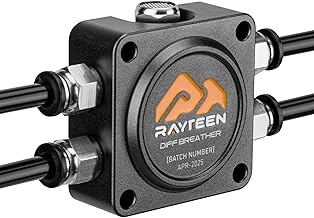
Do I need breathers if I never cross deep water?
Yes. Even heavy rain puddles on highways or pressure washing your undercarriage can force water into stock breathers during the thermal vacuum effect. I’ve read forum posts from JK owners who never off-roaded but developed milky diff oil from driving through flooded parking lots during rainstorms. The upgrade costs $35-90 and takes three hours — cheap insurance against thousand-dollar differential rebuilds.
Can I just extend the stock breathers with hose?
Technically possible but risky. Stock breathers lack proper filtration and the fittings often leak or blow off under pressure because they’re not designed for hose attachment. A $40 kit with brass fittings and actual filter housings is worth the investment over DIY solutions that might fail at the worst possible moment — mid-crossing when your axles are submerged.
How often do filters need replacement?
ARB and quality alternatives: inspect every six months, clean with compressed air 2-3 times, replace every 2-3 years at $12-15 cost. Budget kits may need annual replacement depending on dust exposure and filter media quality. If you’re running dusty trails frequently, filters work harder and degrade faster. Clean coastal environments are easier on filter longevity.
Will this affect my Jeep warranty?
Installing breathers doesn’t modify the differentials themselves — you’re just replacing vent caps with barbed fittings. Jeep can’t reasonably deny powertrain warranty claims based on this modification since you’re improving (not degrading) the factory venting system. Document your installation with photos showing clean workmanship if you’re concerned about dealer pushback. Most dealerships recognize extended breathers as sensible protection, not sketchy modifications.
Do I need breathers on both axles?
Absolutely. Front diff, rear diff, AND transfer case all need extended vents. Skipping any one of the three leaves you vulnerable to water damage in that component. I’ve seen JK owners install front and rear diff breathers but neglect the transfer case — then wonder why their transfer case fluid turned milky after a water crossing. All three or you’re wasting your time and money on partial protection.
Final Recommendation: Protect Your JK’s Drivetrain Before Your Next Water Crossing
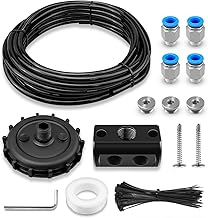
Stock JK breathers are positioned to fail during water exposure. Extended vent kits relocate outlets above the waterline for under $100 and three hours of work — this is one of the highest-value modifications for protecting expensive drivetrain components that you’ll ever install.
Clear buying guidance: if budget allows and you’re doing regular water crossings or multi-day expeditions, the ARB 170112 at $89 is the proven premium choice with replaceable 5-micron filters and bulletproof component quality. Most JK owners get excellent protection from the $40-60 tier with brass fittings and actual filtration — these deliver ARB-comparable performance at half the cost. Avoid the absolute cheapest kits under $35 unless you’re only crossing shallow puddles occasionally and you’re willing to replace filters annually.
Here’s your action plan: measure your current breather positions (they’re visible on top of diff covers and transfer case), choose a kit based on your water crossing frequency and budget, gather your tools and allocate a Saturday morning for installation. Do this before your next trail ride or rainy season — don’t wait until after water damage to wish you’d protected your differentials.
After running 35-inch tyres on my 2014 JKU and regearing to 4.56, I’m methodical about protecting the investment in those differentials. Extended breathers went on early in my build process, before the first water crossing. Knowing the diffs are protected means I can confidently navigate creek crossings, drive through flooded roads during Cape Town winter storms, or pressure wash the undercarriage without anxiety about potential repair bills lurking weeks later.
The peace of mind alone is worth the $50-90 investment. The actual protection against bearing failure and gear damage is priceless when you’re 500 kilometers from the nearest town on an overland route through Namibia.
Install extended diff breathers now. Your future self will thank you when you’re crossing water that would terrify stock-breather JK owners.
Get the Free JK Build Planner
Complete PDF with mod checklists, gear ratios, tire sizing charts, and budget worksheets. Everything you need to plan your JK build.
No spam. Unsubscribe anytime. By subscribing, you agree to our Privacy Policy.
Jeep JK Guide
We're JK owners who've been building, breaking, and fixing Wranglers for years. Everything here is tested on our own rigs - no sponsored fluff, just honest recommendations.
Learn more about us →Get the JK Build Planner
Free PDF with complete build checklists, gear ratios, and tire fitment guides.
By subscribing, you agree to our Privacy Policy.
Related Articles
Best Cat Back Exhaust for Jeep JK: Complete System Comparison
Compare the top cat-back exhaust systems for Jeep Wrangler JK. Stainless steel vs aluminized, drone ratings, installation tips, and honest sound reviews for 3.6L and 3.8L engines.
Best Axle Back Exhaust For Jeep JK: Expert Picks & Buying Guide
Looking for the best axle back exhaust for Jeep JK? Our expert guide covers sound, performance, installation, and top recommendations for 2007-2018 Wranglers.
Best Gear Ratio For Jeep Jk With 33 Inch Tires