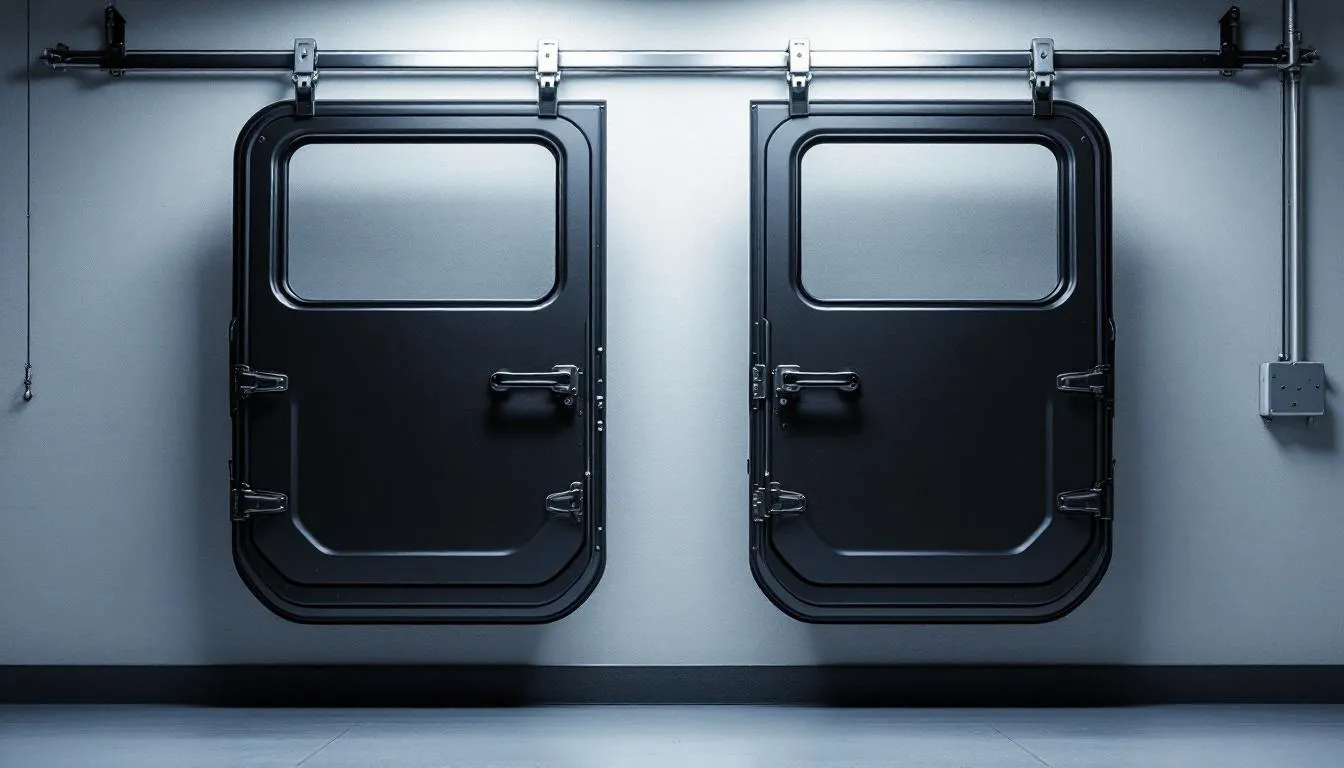
Rugged Ridge vs Bestop Tube Doors for Jeep JK: Which Is Better?

Rugged Ridge tube doors offer better build quality and longer warranty coverage at a higher price point, while Bestop tube doors provide a more budget-friendly option with simpler installation but lighter-duty construction. Choose Rugged Ridge for serious off-roading or Bestop for casual trail use.
The longer answer? You need to understand exactly where each brand makes compromises and whether those compromises matter for how you actually use your JK.
I’ve pulled this comparison from real-world community feedback—JK forums, product specs, warranty analysis, owner reports spanning years of trail use. Not marketing fluff. Real experiences from people who’ve bolted these doors on and lived with them through rock scrapes, rust seasons, and thousands of miles.
What matters: build quality and materials, installation complexity, price-to-value ratio, warranty coverage, and long-term durability. Rugged Ridge targets serious off-roaders willing to pay for components that last. Bestop appeals to budget-conscious trail riders who need basic tube door functionality without the premium price tag.
Both brands have loyal followings. Your job is figuring out which matches your actual JK usage patterns—not your aspirational goals for trail riding you’ll realistically do twice a year.
Build Quality & Materials: Where Each Brand Makes Compromises
The difference between Rugged Ridge and Bestop starts with the metal itself.
Rugged Ridge uses 1.5-inch diameter tubing with heavier wall thickness. Bestop uses lighter-gauge construction. Pick up each door and you’ll feel it immediately. Rugged Ridge doors weigh 5-8 pounds more per door depending on the model. That weight translates directly to off-road abuse resistance.
Scrape a tube door against a rock ledge—and you will—and thicker steel absorbs the impact without denting. Thinner steel flexes. Over time, that flexing leads to stress cracks around weld points and mounting brackets. Forum reports from aggressive trail riders show Bestop doors developing hairline cracks around high-stress areas after 2-3 years of hard use. Rugged Ridge doors rarely show the same wear pattern in the same timeframe.
Powder coating quality matters more than most buyers realize. Rugged Ridge uses a multi-stage powder coating process with better adhesion and UV resistance. Bestop’s coating is adequate for mild climates but shows accelerated chipping in salt-heavy environments. Northeastern JK owners who drive through winter road salt report Bestop paint chipping within 18-24 months, exposing bare steel to rust. Coastal owners in humid salt air see similar patterns.
Rugged Ridge holds up better but isn’t immune. Expect some stone chip damage anywhere the door takes repeated trail debris impacts. The difference is how quickly exposed metal develops surface rust. Rugged Ridge’s thicker coating buys you more time before you need touch-up paint.
Weld quality separates premium from budget construction. Rugged Ridge uses reinforced weld points at stress areas—hinge mounts, striker plates, tube joints. These welds are ground smooth and finished cleanly. Bestop’s welding is more basic. You’ll see visible weld beads that aren’t fully finished. Structurally adequate for light use, but not as refined.
The weight trade-off is real. Heavier Rugged Ridge doors impact fuel economy by roughly 0.1-0.2 MPG compared to factory doors. Lighter Bestop doors save slightly more weight. But heavier doors provide better door feel—they close with a more solid thunk, latch more securely, and feel less tinny when you slam them. Bestop doors have a noticeably lighter, cheaper feel when opening and closing.
Which matters more depends on your priorities. Remove and reinstall tube doors frequently for weather changes? Bestop’s lighter weight makes handling easier—especially for solo installation. Leave doors on for months at a time and want that solid, secure feel? Rugged Ridge delivers.
Installation: Hardware Quality & Fitment Challenges
Both brands use your JK’s factory hinge points. No drilling required. The basic installation process is identical: remove factory doors, bolt on tube doors using factory hinges, adjust striker plates for proper latching.
Most DIYers complete installation in 1-2 hours. You’ll need basic hand tools: socket set, wrenches, possibly a rubber mallet for persuading striker plates into alignment. No specialized tools or professional installation required.
The difference shows up in hardware quality. Rugged Ridge includes heavy-duty striker plates with reinforced mounting points and grade 8 bolts. These components resist wear better over time. After 3-4 years of use, Rugged Ridge striker plates typically still latch cleanly with minimal adjustment. Bestop’s basic hardware shows more wear in the same timeframe—striker plates develop slop, bolts loosen more frequently, latching becomes less positive.
You’ll spend more time adjusting Bestop doors to get proper fitment initially. The lighter-gauge steel flexes slightly during installation, making it harder to achieve consistent striker alignment across all four doors. Loosen, adjust, tighten, test, repeat. Multiple times before you get clean latching on every door.
Rugged Ridge’s heavier construction provides more rigidity during installation. Doors hold alignment better while you’re tightening hardware. Fewer adjustment cycles to get everything dialed in.
Common fitment issues affect both brands: door alignment challenges where the door sits slightly forward or back relative to the body, striker plate height mismatches that require shims, and latch stiffness that needs break-in time. Rugged Ridge’s superior hardware reduces but doesn’t eliminate these issues. Bestop’s lighter materials amplify them.
Here’s what forums don’t always mention: you’ll need aftermarket mirror relocation brackets regardless of which brand you choose. Tube doors eliminate the factory mirror mounting points. Most states require mirrors for street-legal operation. Budget an additional $50-150 for quality mirror relocation brackets that mount to your windshield hinges or A-pillar.
First-time tube door installers report Bestop is slightly more forgiving if you make alignment mistakes—the lighter weight makes it easier to remove and reinstall multiple times while you figure out proper adjustment. Rugged Ridge’s extra weight means you want to get alignment right the first time.
Solo installation is manageable for both brands but easier with Bestop due to weight savings. Removing a Rugged Ridge rear door solo requires awkward positioning to support 25-30 pounds of door while manipulating the hinge pin. A buddy makes the job much easier.
Price Comparison: What You Actually Get for Your Money
Rugged Ridge tube doors typically run $500-700 for a front/rear set depending on the specific model and finish. Bestop usually costs $350-500 for comparable coverage. That’s a 30-40% price difference.
What are you paying for? Better steel, superior powder coating, reinforced hardware, and significantly better warranty coverage. Rugged Ridge includes heavier-duty striker plates, grade 8 mounting bolts, and more detailed installation instructions. Bestop provides adequate hardware to mount the doors but nothing premium.
Let’s calculate cost-per-year of ownership based on realistic lifespan expectations. In normal recreational trail use—monthly trail days, garage-kept the rest of the time, moderate climate—Rugged Ridge doors typically last 8-10+ years before needing replacement due to rust or structural wear. Bestop doors show accelerated wear after 5-7 years in the same conditions.
That changes the value equation considerably:
- Rugged Ridge at $650 over 9 years = $72/year
- Bestop at $425 over 6 years = $71/year
The annual cost is nearly identical when you factor in replacement timelines. Rugged Ridge actually provides better value if you keep your JK long-term and trail regularly enough to accelerate wear on cheaper components.
Resale value impacts the calculation too. When you sell your JK, buyers recognize Rugged Ridge as a premium brand. Quality tube doors add $200-300 to resale value if they’re in good condition. Bestop doors add less resale appeal—maybe $100-150. That difference narrows the real cost gap even further.
Budget-conscious alternatives exist if neither brand fits your finances. Both manufacturers run occasional sales—Black Friday, Jeep events, end-of-season clearance—where you can save 15-25%. Used tube doors appear on Facebook Marketplace and JK-specific forums regularly. If buying used, inspect for rust around weld points, check striker plate wear, and verify all mounting hardware is included.
Never buy damaged tube doors to save money. Bent tubing and cracked welds compromise safety. A door that fails mid-trail leaves you exposed to tree branches and trail debris at speed.
Warranty & Customer Support: What Happens When Problems Arise
Rugged Ridge offers a limited lifetime warranty on structural components. Bestop provides 1-3 year coverage depending on the specific product line. That’s a massive difference in long-term protection.
Rugged Ridge’s lifetime warranty covers defects in materials and workmanship for as long as the original purchaser owns the product. If a weld fails, if tubing cracks due to manufacturing defects, if powder coating delaminates from improper application—Rugged Ridge handles it. You’ll need proof of purchase and photos documenting the defect, but forum reports suggest they honor claims reasonably.
Bestop’s shorter warranty window means you’re on your own for issues that develop after year three. That matters for tube doors because many durability problems don’t surface immediately. Powder coating issues might not appear until year two after UV exposure. Weld stress cracks develop after thousands of miles of vibration. Hinge wear becomes problematic after repeated installation cycles.
Common warranty exclusions apply to both brands: normal wear and tear, abuse-related damage, modifications to the product, and installation errors. Neither brand covers powder coating chips from rock impacts—that’s considered normal trail wear. Neither covers rust development if you don’t maintain the finish properly.
Document everything if you need to file a warranty claim. Take clear photos showing the defect from multiple angles. Keep your purchase receipt. Note when you first noticed the problem. Include your JK’s model year and any modifications that might be relevant. Both brands request this information during the claim process.
Customer support accessibility varies by brand. Rugged Ridge (owned by Omix-ADA) has established phone support with generally good response times. Expect to reach a human within 10-15 minutes during business hours. Bestop’s support is adequate but slower—you might wait 20-30 minutes on hold during peak times.
Replacement parts availability matters for long-term ownership. Rugged Ridge maintains better parts inventory for discontinued models. If you need a replacement striker plate for a five-year-old tube door model, Rugged Ridge can usually supply it. Bestop’s parts support for older models is spottier.
Real-world warranty claim experiences from forum reports: Rugged Ridge honored a powder coating delamination claim on three-year-old doors with minimal hassle. Bestop initially denied a weld crack claim citing “normal wear” before reversing the decision after the owner escalated through their social media channels. Both brands respond better to well-documented claims with clear photo evidence.
Long-Term Durability: How Each Brand Holds Up on the Trail

Let’s talk about what happens after 10,000 miles of trail use, three years of sun exposure, and multiple winters of road salt.
Rock scrapes are inevitable with tube doors. The doors extend beyond your JK’s body lines, making contact with trail obstacles more likely. Rugged Ridge’s thicker steel dents less from moderate impacts. You’ll get scratches and paint chips, but the tubing itself holds shape. Bestop’s thinner steel shows denting from similar impacts—not catastrophic failures, but visible deformation that accumulates over time.
Tree branches and brush are actually harder on tube doors than rocks. Repeated flexing from branch impacts creates stress points at weld joints. This is where Rugged Ridge’s reinforced welds prove their worth. Owner reports show Bestop doors developing hairline cracks around hinge mounts after 3-4 years of aggressive trail use through dense brush. Rugged Ridge doors in similar conditions rarely crack in under 6-7 years.
Corrosion develops differently based on climate. Northeastern JK owners face the harshest conditions: road salt in winter, high humidity in summer, freeze-thaw cycles year-round. In this environment, Bestop doors typically show surface rust around weld points and mounting hardware within 18-24 months without aggressive preventive maintenance. Rugged Ridge’s superior powder coating delays rust development by roughly 12-18 months—call it 3-4 years before significant rust appears without intervention.
Southwest desert owners face different challenges. Extreme heat and UV exposure fade powder coating and make steel brittle over time. Both brands show sun-related degradation, but Rugged Ridge’s UV-resistant coating maintains color better. After five years in Arizona sun, Rugged Ridge doors might show 10-15% color fade. Bestop doors in identical conditions show 25-30% fade.
Southeast coastal environments combine humidity and salt air—corrosion paradise. Neither brand survives indefinitely without maintenance, but Rugged Ridge’s thicker coating provides measurably better protection. Expect 3-4 years before rust becomes visible versus 2-3 years for Bestop.
Hinge and latch wear patterns emerge after repeated installation cycles. If you remove and reinstall your tube doors seasonally—winter doors, summer tube doors—you’ll wear out hinge pins and bushings faster. Rugged Ridge’s heavy-duty hardware maintains tighter tolerances longer. After 20-30 installation cycles, Rugged Ridge doors still latch cleanly. Bestop doors develop slop in the hinges, requiring shims or replacement hardware.
Striker plate durability directly affects how securely your doors close. Rugged Ridge striker plates resist wear from repeated latching. After three years, they still engage cleanly with minimal adjustment. Bestop striker plates show visible wear grooves, requiring periodic adjustment to maintain positive latching.
Paint and finish longevity determines whether your tube doors still look good or turn into rusty eyesores. Rugged Ridge’s powder coating chips less from stone impacts and maintains gloss better over time. Touch-ups blend more easily because the coating holds color consistency. Bestop’s coating chips more readily, and touch-up paint rarely matches perfectly—you’ll see visible repair spots.
Preventive maintenance on powder-coated steel components matters enormously in harsh climates. Touch up any coating damage immediately. Inspect weld points annually for rust development. Apply rust-preventive coating to any exposed metal before it becomes a problem.
That lesson applies directly to tube doors. Regardless of brand, inspect your doors every few months. Catch coating damage early, touch it up before rust starts, and you’ll extend lifespan significantly.
Which Brand Is Right for Your JK? Use Case Breakdown
You’re a Rugged Ridge buyer if you trail monthly or more frequently, live in a harsh climate—northeastern winters, coastal salt air, high-humidity southeast—want maximum durability and don’t mind paying for it, and plan to keep your JK for 5+ years. You’re the owner who’s building a serious trail rig, prioritizes quality components that last, and views the JK as a long-term platform.
You’re a Bestop buyer if you trail quarterly or less, keep your JK garaged in a mild climate, have tight budget priorities and need functional tube doors at the lowest entry price, and might upgrade to a newer Jeep within 3-5 years. You’re the owner who wants the open-air experience occasionally but doesn’t need premium durability for limited use.
The in-between buyer—moderate trail use, average climate without extreme salt or humidity, moderate budget flexibility—faces the tougher decision. Here’s my guidance: if you have any doubts about which category you fall into, choose Rugged Ridge. The lifetime warranty and superior build quality provide insurance against underestimating how aggressively you’ll actually use your JK.
Most buyers overestimate how conservatively they’ll trail. You buy tube doors thinking you’ll drive forest service roads and easy trails. Then you discover rock crawling. Or you start exploring more technical terrain. Or your buddy with the built JK invites you on harder trails than you initially planned. Suddenly you’re putting serious stress on components you bought for light duty.
Rugged Ridge forgives that usage creep. Bestop shows its limitations faster.
Specific scenario guidance:
Rock crawling: Rugged Ridge, no question. Repeated rock scrapes and impacts demand the thicker steel and reinforced welds.
Beach driving: Either brand works, but prioritize aggressive rust prevention. Salt air accelerates corrosion on any steel component. If you beach drive monthly, spend the extra for Rugged Ridge’s better coating. If you hit the beach twice a year, Bestop is adequate with proper maintenance.
Mountain trails through dense brush: Rugged Ridge’s reinforced welds matter here. Repeated branch flexing stress will crack Bestop doors sooner.
Overlanding and long-distance trail touring: Rugged Ridge. Durability matters more when you’re far from civilization and can’t easily replace failed components.
Neither brand is the right choice if you’re building a high-end show JK or need maximum security for urban parking. Consider safari-style doors with locking mechanisms for better theft protection, or aluminum half doors for weight savings in serious competition rigs.
Essential JK Upgrades to Pair with Tube Doors

Tube doors create new upgrade priorities you didn’t have with factory doors. Your interior is now exposed to weather, theft risk increases, and you’ve eliminated factory mirror mounts.
Mirror relocation becomes mandatory for street-legal operation in most states. Quality windshield-mount or A-pillar-mount relocation brackets run $50-150. Don’t cheap out here—you need solid, vibration-free mounting for mirrors you’ll rely on daily.
Enhanced security measures matter more with tube doors. Your interior is visible and accessible from outside. Remove valuables. Install a locking center console if you keep items in your JK. Consider a soft top with locking zippers rather than basic straps.
Interior weatherproofing requires attention too. Factory JK interiors aren’t fully sealed against water intrusion, but factory doors provide significant protection. Tube doors let more spray and rain into the cabin. Expect to clean your interior more frequently. Consider rubber floor mats and seat covers if you trail in wet conditions.
Protection components pair logically with tube doors. If you’re committed enough to the open-air lifestyle for tube doors, you’re probably ready for steel bumpers and skid plates too. The Rugged Ridge transfer case skid plate provides essential protection for serious trail use. Transfer case damage from rock strikes costs $2,000-4,000 to repair. A $200-300 skid plate is cheap insurance.
For budget-conscious builders, Hooke Road offers solid alternatives. Their JK tube front bumper provides winch mounting capability and recovery point integration at roughly half the cost of premium brands. The matching tubular rear bumper completes the aesthetic while adding hitch receiver functionality and LED light mounts. These bumpers aren’t as heavy-duty as premium options like Warn or Rock Hard 4x4, but they’re adequate for moderate trail use and complement the tube door look.
Soft top pairings make sense for open-air builds. Running tube doors without a soft top option leaves you exposed to weather changes. A quality soft top like Bestop’s Sunrider or Trektop provides flexibility—doors off with top on for rain, everything off for perfect weather. Having both options maximizes your JK’s versatility.
Don’t overlook practical accessories: door hinge liners reduce metal-on-metal wear at hinge pins, extending service life. Anti-theft locks for quick-release hinge pins add security. Weatherstripping or foam padding around striker plates reduces rattles.
Common Questions About Rugged Ridge vs Bestop Tube Doors
Are tube doors street legal?
Legality varies by state. Most states require functioning mirrors—either door-mounted or relocated to windshield/fenders. A few states prohibit removing factory doors entirely. Check your state’s motor vehicle code for specific requirements. Law enforcement rarely stops JKs with tube doors and proper mirrors, but you assume liability risk if you’re not compliant.
Do tube doors impact fuel economy?
Tube doors save 40-60 pounds versus factory doors, depending on whether you remove two or four doors. The fuel economy impact is minimal—expect roughly 0.1-0.3 MPG improvement from weight savings alone. Any aerodynamic changes are negligible at typical highway speeds. Don’t buy tube doors for fuel economy gains; the savings are too small to matter.
What about factory door wiring?
Tube doors eliminate power windows and locks. You’ll need to properly cap or remove the factory wiring harness connectors in your door frames to avoid electrical issues. Most installers cap the connectors with electrical tape and tuck them into the door frame. Some owners fully remove the harnesses to clean up the install. Either approach works—just don’t leave exposed connectors that can short against metal body panels.
Do tube doors work with soft tops and bikini tops?
Yes, tube doors are compatible with most soft tops and bikini tops. The key is proper striker plate alignment—your soft top still latches to the door frames using the same points as factory doors. You might need minor adjustments to striker height or position, but compatibility isn’t typically a problem. Bikini tops don’t interface with doors at all, so they’re fully compatible.
How long do tube doors typically last?
With proper care—touch-up paint on coating damage, rust prevention, regular inspection—Bestop doors last 5-7 years in normal recreational use before rust or structural wear requires replacement. Rugged Ridge doors last 8-10+ years in the same conditions. Aggressive trail use, harsh climates, and poor maintenance accelerate wear for both brands. Garage-kept JKs in mild climates can exceed these timelines significantly.
Can I paint tube doors to match my JK?
Yes, but powder-coated finishes are harder to repaint than bare steel. You’ll need to properly prep the surface—scuff with scotch-brite, clean thoroughly—and use paint designed to adhere to powder coating. Automotive spray paint works adequately for touch-ups but won’t match the durability of factory powder coating. For full repainting, consider having doors professionally powder coated in your desired color—the finish will last longer than spray paint.
Do I need to upgrade my hinges when installing tube doors?
No, factory JK hinges are adequate for tube door weight. Rugged Ridge doors weigh more than factory doors but not enough to require hinge upgrades. If your factory hinges are worn—slop in the pins, difficulty latching—replacing them during tube door installation makes sense, but it’s not required solely due to door weight.
Final Verdict: Choosing Between Rugged Ridge and Bestop

Here’s the core framework: Rugged Ridge for serious off-road durability and long-term value. Bestop for budget-conscious recreational use. Neither brand is wrong—they serve different markets.
Both brands deliver functional tube doors that bolt onto your JK using factory mounting points. Both provide the open-air experience you’re after. Both have satisfied customers who’ve run them for years without major issues.
The difference is use case and ownership timeline. Trail aggressively, live in harsh climates, and plan to keep your JK for 5+ years? Rugged Ridge’s superior build quality and lifetime warranty justify the premium price. You’ll spend more initially but save money long-term through durability and reduced replacement needs.
Trail casually, operate in mild climates, and might sell your JK within 3-5 years? Bestop delivers adequate functionality at the lowest entry price. You’ll sacrifice some durability and warranty coverage, but you won’t keep the doors long enough for those limitations to matter significantly.
Consider total cost of ownership when making your decision. Include warranty value—Rugged Ridge’s lifetime coverage versus Bestop’s 1-3 years—replacement timeline (8-10 years versus 5-7 years), and resale value impact ($200-300 versus $100-150). When you factor these variables, Rugged Ridge’s premium price looks more reasonable.
Be honest with yourself about actual usage patterns. Most JK owners overestimate how aggressively they’ll trail. If you realistically expect quarterly recreational trail use in moderate terrain, don’t spend premium money on durability you won’t fully utilize. If you’re already planning 3.5” lift and 35” tires, regular rock crawling, and multi-day trail trips, the premium components make sense.
Every guide here exists because I needed to figure it out for my own build. When I write about tube doors, I’m synthesizing what experienced JK owners report from thousands of collective trail miles, not regurgitating marketing claims. Some products I’ve tested personally. Others I’m researching for future upgrades.
For my 2025 build plan, I’m leaning toward Rugged Ridge if I add tube doors. I trail monthly in conditions that stress components—sand, rock, coastal salt air. I’m planning to keep this JKU for years and build it into something genuinely ready for extended overland trips through Namibia and Botswana. The lifetime warranty and superior corrosion resistance matter for that use case.
Your situation might differ entirely. Choose the brand that matches your actual needs, not aspirational goals you might never pursue.
Next steps: measure your JK door openings to verify clearances for tube door installation. Confirm your model year—some mounting details vary between early and late JK production years. Check current pricing from reputable retailers (Quadratec, Extreme Terrain, Amazon) and watch for seasonal sales. Read owner reviews specific to your climate zone to understand real-world durability in your environment.
Then make your choice and get those doors on. The open-air experience is what JK ownership is all about.
Get the Free JK Build Planner
Complete PDF with mod checklists, gear ratios, tire sizing charts, and budget worksheets. Everything you need to plan your JK build.
No spam. Unsubscribe anytime. By subscribing, you agree to our Privacy Policy.
Allan
I'm Allan. I bought a 2014 Jeep Wrangler JKU and I research the hell out of every mod before I touch it. Everything here is tested or deeply researched on my own rig - no sponsored fluff, just honest findings.
Learn more about me →Get the JK Build Planner
Free PDF with complete build checklists, gear ratios, and tire fitment guides.
By subscribing, you agree to our Privacy Policy.