JK Trail Tool Kit: Essential Tools for Off-Road Repairs

JK Trail Tool Kit: Essential Tools for Off-Road Repairs
The trails that test your JK’s capability also test your ability to fix problems far from the nearest shop. A well-assembled tool kit means the difference between completing your adventure and calling for an expensive extraction. The right tools handle 90% of common trail issues—broken tie rods, thrown belts, leaking hoses, and everything else that goes wrong at the worst possible moment.
This guide covers exactly what to carry and why, organized by priority level so you can build your kit based on how far from civilization you typically wheel.
Why Stock Tool Kits Fall Short
The factory JK tool kit contains the bare minimum for a roadside tire change: a lug wrench, jack, and not much else. Jeep assumes you’ll call AAA for anything more serious. Off-road, that assumption fails immediately.
A proper trail kit enables you to:
- Tighten bolts that vibrate loose
- Replace damaged components with spares
- Perform emergency repairs to limp home
- Help other vehicles in your group
- Handle common JK-specific issues
Tier 1: The Essentials (Carry Always)
These tools handle the most common trail issues and fit in a small bag. Every JK should carry this minimum kit.
Basic Socket Set
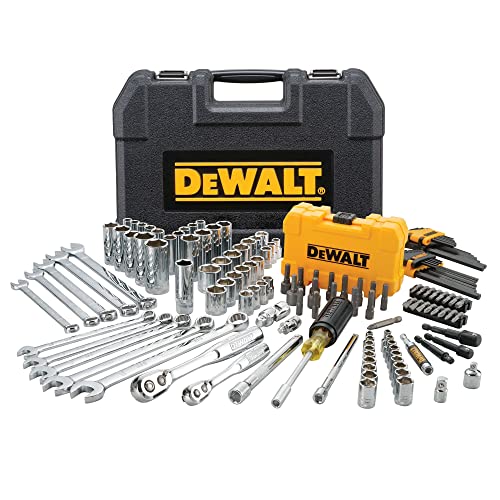
A quality socket set forms the foundation of any tool kit. The JK uses primarily metric fasteners, but some accessories use SAE. A comprehensive set covers both. Look for:
- 3/8” drive for most work
- Deep sockets for recessed bolts
- 10mm, 13mm, 15mm, 17mm, 19mm (most common JK sizes)
- Extensions and universal joints for tight spaces
Adjustable Wrenches

Adjustable wrenches fill gaps when you don’t have the exact socket size. The 10” and 12” sizes handle most JK fasteners. Quality adjustables grip better and last longer than cheap alternatives.
Pliers Set
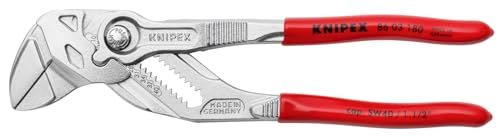
The KNIPEX Pliers Wrench combines adjustable wrench and plier functionality. The parallel jaws grip fasteners without rounding corners—essential when working on damaged or corroded bolts. Worth the premium price for serious trail use.
For budget kits, include:
- Standard combination pliers
- Needle-nose pliers
- Locking pliers (Vise-Grips)
- Slip-joint pliers
Screwdrivers
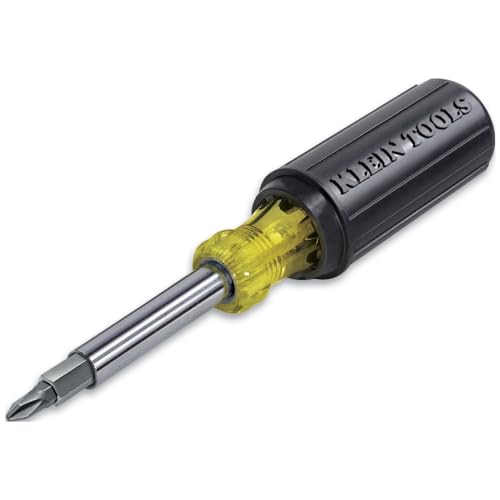
Carry both Phillips and flathead in multiple sizes. A multi-bit screwdriver saves space:
Hex Key Set

Many JK accessories (lights, bumpers, skid plates) use hex bolts. Ball-end keys allow access at angles up to 25°, crucial in tight spaces.
Torx Bits
Jeep uses Torx fasteners throughout the JK—interior panels, some body components, and electrical connections. Include T15, T20, T25, T27, T30, and T40 at minimum.
Tier 2: Expanded Capability
Add these tools for longer trips or more remote wheeling.
Breaker Bar
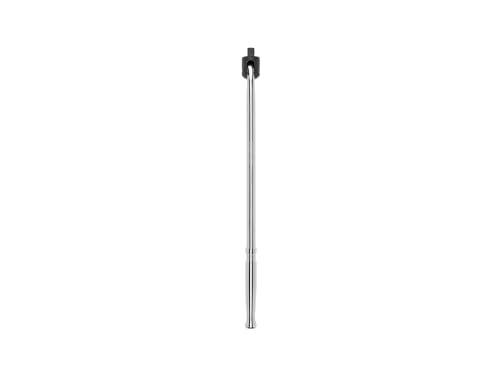
Trail-loosened bolts and seized fasteners require more leverage than a ratchet provides. A breaker bar multiplies your force without risking ratchet damage.
Wire Cutters/Strippers
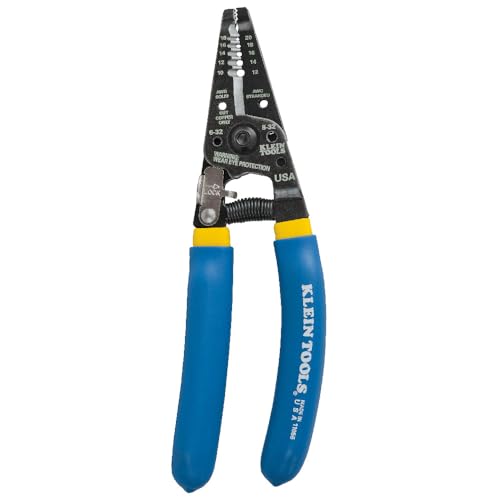
Electrical issues are common on modified JKs. Wire strippers let you repair damaged wiring, add connections, and troubleshoot lighting problems.
Pry Bar Set
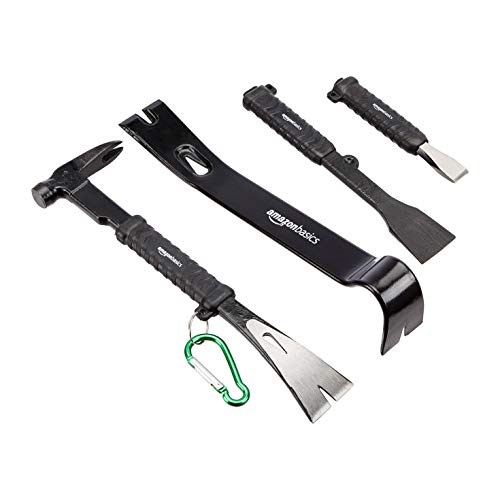
Pry bars help with stuck components, removing damaged skid plates, separating seized parts, and general persuasion. The 12” size handles most needs.
Tire Plug Kit

A tire plug kit fixes punctures in minutes without removing the tire. Essential for thorny desert trails or rocky terrain that damages sidewalls. Much faster than swapping to a spare.
Hose Clamps and Zip Ties
Assorted hose clamps fix leaking coolant hoses and other fluid connections. Zip ties temporarily secure everything from loose wiring to dangling bumpers. Carry lots of both in various sizes.
Tier 3: Full Expedition Kit
For multi-day trips or extreme remote wheeling, add these specialized tools.
Impact Wrench (Cordless)

A cordless impact wrench makes tire changes and stuck fasteners trivial. The Milwaukee M18 platform offers plenty of runtime on quality batteries. Worth the weight for serious expeditions.
Tap and Die Set
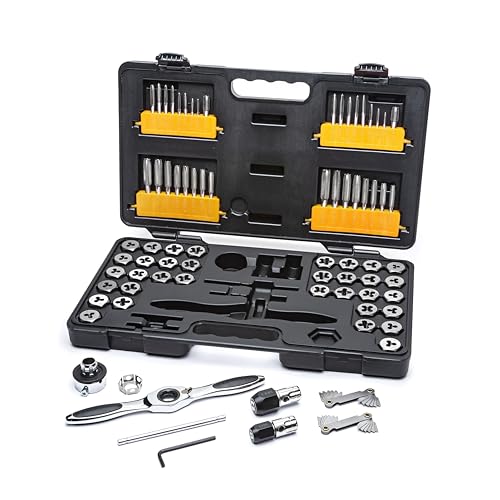
Damaged threads can end a trip. A tap and die set lets you clean damaged threads or cut new ones in the field. Not commonly needed, but invaluable when you do need them.
Multimeter

For diagnosing electrical problems, a multimeter is indispensable. Check battery voltage, trace shorts, verify ground connections, and troubleshoot lighting issues with confidence.
Consumables and Spares
Tools are only half the equation. Carry these consumables for actual repairs:
Fluids
- 1 quart engine oil (matching your JK’s spec)
- 1 quart ATF or gear oil
- Brake fluid (small bottle)
- Coolant (premixed, 1 gallon)
Fasteners
- Assorted nuts and bolts (metric, common sizes)
- Hose clamps (various sizes)
- Cotter pins
- Self-tapping screws
Electrical
- Wire (10, 14, and 18 AWG, various colors)
- Butt connectors and spade terminals
- Electrical tape
- Fuses (matching your JK’s fuse sizes)
Tape and Adhesives
- Duct tape (full roll)
- Electrical tape
- JB Weld or epoxy
- Thread locker (blue)
Miscellaneous
- Zip ties (lots, various sizes)
- Bailing wire
- Shop rags
- Nitrile gloves
- Flashlight or headlamp
JK-Specific Tool Additions
Beyond general mechanics tools, carry items specific to common JK issues:
Tie Rod End Separator
Track bar and tie rod connections can loosen or fail on the trail. A pickle fork or ball joint separator helps remove damaged components.
Belt
Carry a spare serpentine belt matching your JK. Belt failure disables the alternator, power steering, and A/C compressor. Installation takes 15 minutes with basic tools.
Radiator Hose Repair
High-temp silicone tape or emergency hose repair kits fix pinhole leaks and small tears. Combined with spare coolant, you can limp home from most cooling system failures.
Fuses
Know your JK’s fuse locations and carry spares. Many electrical failures are simply blown fuses from trail impacts or water exposure.
Tool Storage Solutions
Under-Seat Storage
The JK’s rear under-seat area fits a compact tool roll or small bag. Easy access without unpacking cargo.
Cargo Organizers
Dedicated cargo organizers keep tools from sliding around. Many include MOLLE webbing for custom configurations.
Tool Rolls
Canvas tool rolls protect tools from damage and organize them for quick access. They pack more efficiently than hard cases for trail use.
Building Your Kit Progressively
Don’t feel obligated to buy everything at once. Build your kit based on experience:
Start with Tier 1 (around $200): Basic socket set, pliers, screwdrivers, hex keys. This handles most common issues.
Add Tier 2 as needed (additional $150): After a few trips, you’ll know what situations you encounter. Breaker bar, wire tools, and a tire plug kit address specific gaps.
Tier 3 for serious expeditions (additional $400+): Impact wrench, multimeter, and specialty tools make sense for multi-day remote trips where professional help isn’t an option.
Complementary Upgrades
Explore these related modifications for your Jeep JK:
- JK Armor & Protection Guide — your complete starting point
- JK Recovery Gear Checklist — tools and recovery gear go together
- Best JK First Aid Kit — safety gear alongside your tools
- Best JK Fire Extinguisher — complete your trail safety loadout
- JK Death Wobble Causes & Fixes — tools you need for trail-side fixes
- Best JK Roll Cage Storage — where to store your tools
Trail Tool Kit Contents
| Category | Tool | Quantity | Purpose |
|---|---|---|---|
| Fasteners | Assorted bolts/nuts | 20+ | Repair fixes |
| Fasteners | Lock washers | 15+ | Vibration protection |
| Wrenches | Socket set (3/8”, 1/2”) | 1 set | General repairs |
| Pliers | Needle-nose + adjustable | 2 | Detail work |
| Screwdrivers | Phillips + flat head | 3 | Minor adjustments |
| Specialty | T-handle hex keys | 1 set | Trim/hardware |
| Specialty | Impact wrench bits | 1 set | Stubborn bolts |
Comprehensive Trail Kit
Pros
- Covers 95% of trail repairs
- Organized storage
- Minimal weight
- Proven selections
Cons
- Initial investment
- Need to assemble
- Space in Jeep
Pre-assembled Tool Kits
Pros
- Ready to go
- Professional selection
- Quality tools
- Good warranty
Cons
- Limited customization
- Extra weight
- Higher cost
Related Guides
Explore more JK upgrade guides to complement your build:
- Best JK Front Bumpers — front bumper upgrade options
- Best JK Rear Bumpers — rear bumper choices
- Best JK Skid Plates — underbody protection options
- Rock Sliders vs Rocker Guards — side protection comparison
- Best JK Fender Flares — fender flare options for larger tires
- Best Winches for JK — winch selection for recovery
Frequently Asked Questions
What’s the most important tool for trail repairs?
A quality socket set with both metric and SAE sizes handles the majority of JK repairs. Start there and build around it.
Should I buy a pre-made tool kit or build my own?
Build your own. Pre-made kits often include unnecessary items while lacking JK-specific tools. Custom kits fit your actual needs and budget.
How much does a complete trail tool kit weigh?
A Tier 1 kit weighs 15-20 lbs. Full expedition kits with cordless tools and spares can reach 40-50 lbs. Balance capability against cargo space.
Do I need special tools for lifted JKs?
Not necessarily. Standard tools work on lifted JKs. Longer extensions help reach recessed fasteners on taller setups, but basic tools still function.
Can I use automotive tool kits from big-box stores?
Quality matters for trail use. Budget store tools may strip under stress or break when you need them most. Invest in quality brands for critical tools.
Should I carry a service manual?
Yes. Either a printed manual or offline PDF on your phone provides invaluable reference for unfamiliar repairs. Know where to find torque specs and procedures before you need them.
Get the Free JK Build Planner
Complete PDF with mod checklists, gear ratios, tire sizing charts, and budget worksheets. Everything you need to plan your JK build.
No spam. Unsubscribe anytime. By subscribing, you agree to our Privacy Policy.
Frequently Asked Questions
What year Jeep JK is most reliable?
2012-2018 JKs are generally considered most reliable, benefiting from improvements addressing earlier model year issues like the 3.8L engine.
How many miles can a Jeep JK last?
Well-maintained JKs regularly exceed 200,000 miles. The 3.6L Pentastar V6 (2012+) is particularly durable with proper maintenance.
What's the difference between JK Sport, Sahara, and Rubicon?
Sport is the base model, Sahara adds comfort features, and Rubicon includes factory lockers, disconnecting sway bar, and lower gearing for serious off-roading.
What size sockets do I need most for JK trail repairs?
The most commonly needed JK socket sizes are 10mm, 13mm, 15mm, 18mm, and 21mm in metric, plus 1/2-inch, 9/16-inch, and 3/4-inch in SAE. Carry both shallow and deep sockets in these sizes to handle most trailside repairs from bumper bolts to suspension components.
Should I carry a portable impact wrench on the trail?
A cordless impact wrench is extremely useful for lug nuts and stubborn bolts. The Milwaukee M18 or DeWalt 20V models handle JK lug nuts easily. Carry a charged spare battery since cold weather reduces runtime. For budget builds, a quality breaker bar with a cheater pipe works as a manual alternative.
Jeep JK Guide
We're JK owners who've been building, breaking, and fixing Wranglers for years. Everything here is tested on our own rigs - no sponsored fluff, just honest recommendations.
Learn more about us →Get the JK Build Planner
Free PDF with complete build checklists, gear ratios, and tire fitment guides.
By subscribing, you agree to our Privacy Policy.
Related Articles
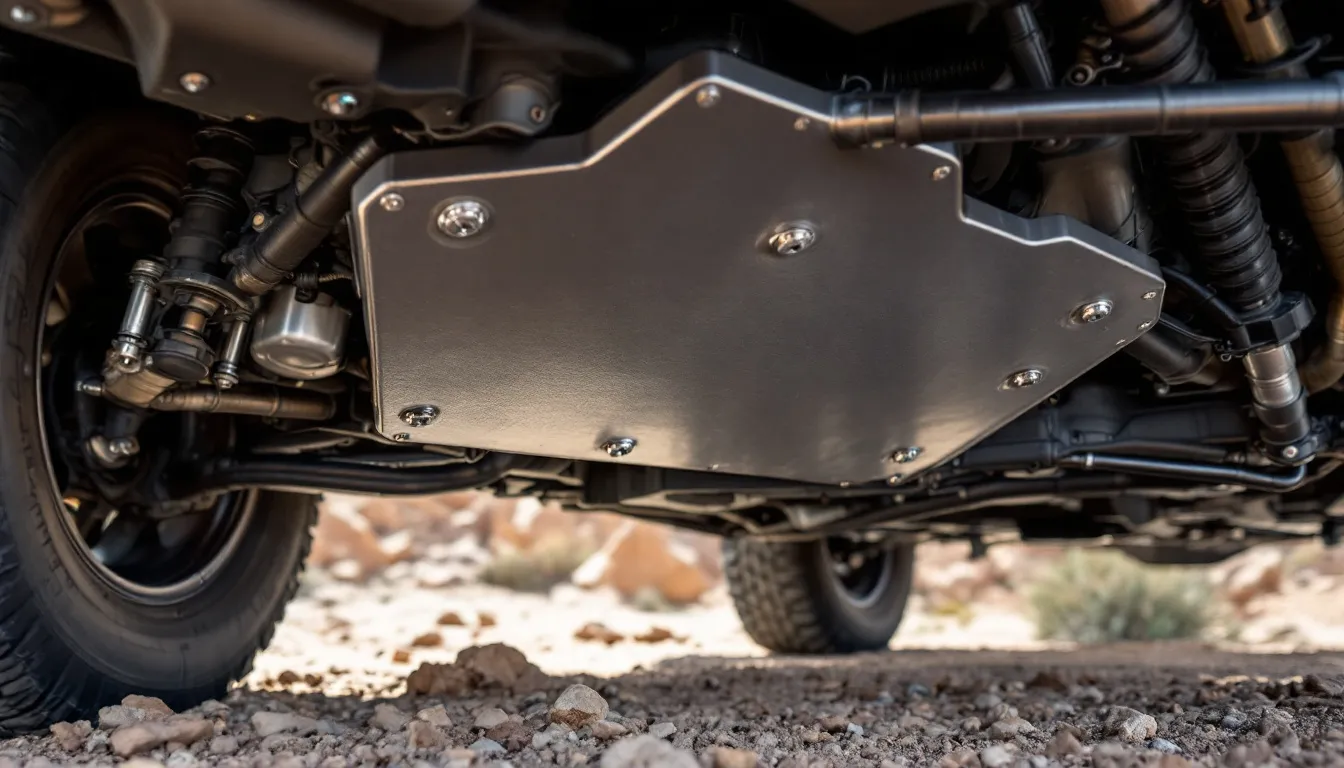
Best Gas Tank Skid Plate for Jeep JK: Armor Your Fuel System
Best Grill Inserts for Jeep JK: Mesh, Angry Eyes & Custom Grille Options
Best Snorkel for Jeep JK: Water Fording & Engine Protection Options
Discover the best snorkel for Jeep JK with our expert comparison of top kits. Learn about water fording depth, dust protection, installation, and whether you actually need one.