Best Snorkel for Jeep JK: Water Fording & Engine Protection Options
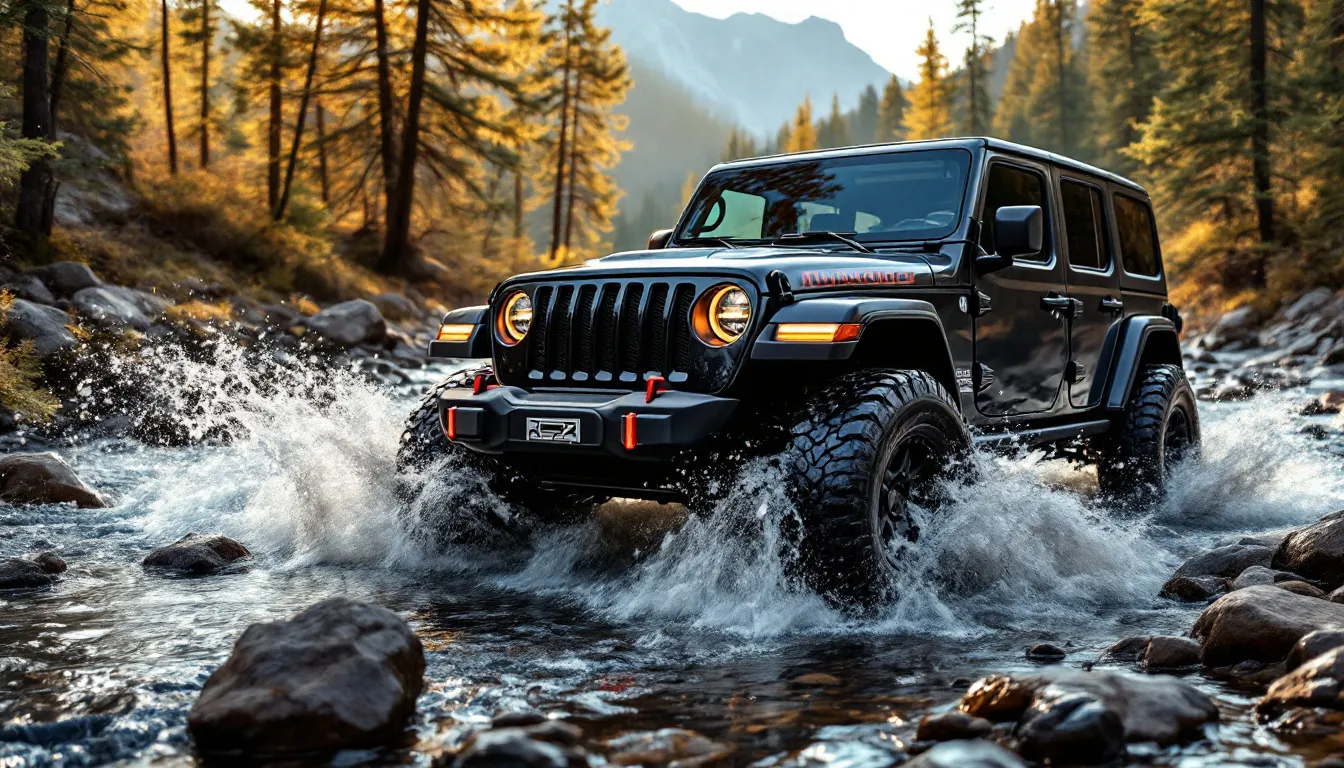
Best Snorkel for Jeep JK: Water Fording & Engine Protection Options
Let’s address the elephant in the room: most people think snorkels are just for looks or extreme water crossings. They’re half right on the first point and mostly wrong on the second. Here’s what the real-world JK community knows that manufacturers won’t always tell you: the biggest benefit of a snorkel isn’t water fording, it’s dust protection. My approach to reviewing mods has always been to dig into actual owner experiences, not just repeat spec sheets. So when experienced JK owners consistently report cleaner air filters and better engine longevity after installing snorkels on trails that never see water crossings, that tells you something important.
The best snorkel for Jeep JK ultimately depends on your specific trail use and budget, but the consensus favorites are the AEV Ram Air Snorkel for premium quality and fitment, the Rugged Ridge XHD for mid-tier value, and the Safari Snorkel for proven durability in extreme conditions. Whether you’re tackling stream crossings or just tired of replacing dusty air filters every few months, a properly installed snorkel changes where and how your engine breathes. Let’s look at what actually matters when choosing one.
What a Snorkel Actually Does for Your JK (Beyond the Obvious)
Your stock JK pulls air from behind the passenger-side headlight, roughly 24 inches off the ground. That’s fine for highway driving, but it becomes a problem the moment you hit the trail. During water crossings, that low intake location means you’re one unexpected deep puddle away from sucking water directly into your engine cylinders—a catastrophic failure called hydrolock.
But here’s what most JK owners discover after installation: water protection is actually the secondary benefit. The primary everyday advantage is dust filtration and cleaner air intake. When you’re crawling through dusty trails behind other vehicles, that stock intake location sits right in the dust cloud zone. A snorkel relocates your air intake to above the roofline, where air is significantly cleaner.
Here’s what a quality snorkel does for your JK:
- Raises air intake point from 24 inches to 72+ inches above ground level, dramatically reducing water ingestion risk during crossings
- Pulls air from above the dust zone where the air is cleaner, reducing air filter replacement frequency and protecting engine internals from abrasive dust particles
- Creates a ram-air effect at highway speeds (though the performance gain is minimal—maybe 1-2% at best)
- Adds pre-cleaner cyclonic separation in quality kits, spinning out water and heavy dust before air reaches your main filter
The reality most owners discover: Even if you never cross water deeper than 18 inches, the dust protection alone justifies the investment. Clean air means longer engine life, and that matters more than looking ready for a river crossing.

SCITOO Car Snorkel Kit Assembly Compatible with Jeep Wrangler JK 2006-2017 Air Ram Intake 3.8L Petro
$102.99
Check Price on Amazon →Do You Actually Need a Snorkel on Your JK?
Ask yourself honestly: How often do I encounter water deeper than 20 inches or drive in extremely dusty conditions? Your answer determines whether a snorkel is essential, beneficial, or purely cosmetic for your specific use case.
Profile 1: Frequent Deep-Water Crosser If you regularly tackle river crossings, flooded trails, or deep mud where water reaches your hood, a snorkel isn’t optional—it’s insurance. The stock intake sits low enough that even a momentary submersion can hydrolock your engine. Repair costs for hydrolock damage range from $3,000 to $8,000 depending on how much damage the water caused before you shut down. A $300-500 snorkel suddenly looks like a bargain.
Profile 2: Dusty Trail Regular You might never cross water deeper than your tires, but if you frequently run dusty desert trails, fire roads, or convoy behind other vehicles, this is where a snorkel proves its worth. Owners in the Southwest consistently report extending air filter life from 3,000 miles to 10,000+ miles after installing snorkels. That’s real money saved on filters and real protection for your engine internals from abrasive dust.
Profile 3: Casual Overlander or Pavement Queen If your idea of off-roading is maintained forest service roads with occasional mud puddles, a snorkel probably won’t deliver practical benefits that justify the cost and permanent body modification. Your stock intake handles these conditions fine. The exception: if you’re planning to build toward more serious off-road capability over time, installing a snorkel early makes sense as part of a staged build approach, especially for Rubicon owners tackling more extreme terrain.
The insurance factor: Even occasional deep-water crossers face the hydrolock risk. A single catastrophic engine failure costs 6-15 times what a snorkel costs. For many owners, that risk calculus alone justifies the mod, even if they only need it once in the Jeep’s lifetime.
One more consideration: snorkels can actually help prevent some common JK engine issues related to dust ingestion and contaminated intake systems, particularly in the 3.8L engines found in 2007-2011 models.
Best Snorkel Kits for Jeep JK (2007-2018)
When I research modifications, I don’t start with manufacturer marketing materials. I start with forum threads, YouTube comment sections, and Facebook group posts from owners who’ve actually installed and used these products for thousands of trail miles. That real-world community knowledge reveals which snorkels hold up and which ones crack, leak, or fade within a year.
Here’s the honest comparison of the top jeep jk snorkel kit options currently available:
Quick-Pick Summary
| Product | Price Range | Best For |
|---|---|---|
| AEV Ram Air Snorkel | $420-470 | Premium fitment, OEM-quality materials, best warranty |
| Rugged Ridge XHD Snorkel | $220-270 | Best value for frequent trail use, proven durability |
| Safari Snorkel ARMAX | $380-430 | Extreme conditions, proven Australian design |
| Outland Snorkel Kit | $140-180 | Budget option for occasional use only |
AEV Ram Air Snorkel — Best Overall Quality
The AEV (American Expedition Vehicles) snorkel is what you get when you prioritize fitment and longevity over saving a hundred bucks. AEV manufactures Jeep upgrades that rival factory quality, and this snorkel reflects that commitment.
Key Specs:
- UV-stabilized polyethylene construction (thicker than competitors)
- Integrated water separator with replaceable element
- Fits all 2007-2018 JK and JKU models (2-door and 4-door)
- Includes all mounting hardware and template
Pros:
- Factory-level fitment with minimal body trimming required
- Thick-wall construction resists flex and cracking better than budget options
- Cleanest aesthetic integration—looks like it came from the factory
- Excellent warranty coverage through AEV’s dealer network
- Water separator actually works (many cheaper designs don’t)
Cons:
- Premium price point—$150-200 more than mid-tier alternatives
- Requires same permanent body modification as cheaper options
- Slightly more complex installation due to tighter tolerances
If you plan to keep your JK long-term and want a wrangler jk air intake snorkel that won’t crack, fade, or leak five years down the road, the AEV justifies the premium. Owners consistently report zero fitment issues and materials that still look new after years of UV exposure.
Rugged Ridge XHD Snorkel — Best Value
The Rugged Ridge XHD hits the sweet spot between quality and price. It’s the snorkel you see most often on serious trail rigs because it delivers the core benefits without the premium price tag.
Key Specs:
- UV-treated polyethylene body
- Raised air intake to 72 inches above ground
- Pre-cleaner body with cyclonic separation
- Compatible with 2007-2018 JK/JKU (both 3.6L and 3.8L engines)
Pros:
- Proven durability in real-world use across diverse climates
- Straightforward installation process with clear instructions
- Includes quality stainless steel hardware
- Pre-cleaner design effectively separates water and heavy dust
- Price point accessible for most budgets
Cons:
- Fitment requires more trial-and-error than AEV (expect minor trimming adjustments)
- Plastic slightly thinner than premium options—some owners report minor flex
- Mounting template less precise than AEV’s
This is the snorkel most experienced owners recommend when someone asks for a reliable option without overthinking it. The slight fitment compromises compared to AEV don’t affect functionality, just installation ease.
Safari Snorkel ARMAX — Extreme Duty Option
Safari invented the automotive snorkel concept in Australia, where water crossings and bulldust are serious daily concerns. Their ARMAX line brings that decades of engineering to the JK platform.
Key Specs:
- Cross-linked polyethylene (more impact-resistant than standard HDPE)
- Integrated water separator and dust ejection system
- Australian-designed, proven in harshest conditions globally
- Insulated air ram prevents heat soak
Pros:
- Most robust construction in the category—virtually unbreakable
- Superior water separation system tested in serious submersion conditions
- Raised air intake design maximizes ram-air effect
- Ten-year warranty against UV degradation and cracking
Cons:
- Price comparable to AEV without the same fitment refinement
- Availability can be spotty depending on distributor stock
- Overkill for most North American trail conditions
If you’re building an expedition rig for South America, overlanding through wet climates, or regularly crossing deep water, the ARB Safari 4X4 Snorkel Vspec proven track record in extreme conditions makes sense. For typical JK trail use, you’re paying for capability you probably won’t fully utilize.

ARB Safari 4X4 Snorkel Vspec Wrangler Jk Pentastar V6 2/12+ (SS1070HF)
$699.95
Check Price on Amazon →Outland Snorkel Kit — Budget Entry Point
The Outland represents the minimum viable snorkel—it does the basic job at a budget price, but you’re making real compromises on materials and longevity.
Key Specs:
- Standard polyethylene construction
- Basic raised intake design
- Fits 2007-2018 JK models
- Includes mounting hardware
Pros:
- Most affordable option by significant margin
- Adequate for occasional water crossings and dust protection
- Gets you the snorkel look without premium investment
Cons:
- Thinner plastic shows stress cracking after 2-3 years in many user reports
- Fitment issues common—expect significant trimming and adjustment
- Hardware quality inconsistent—some owners replace with aftermarket bolts
- Pre-cleaner design less effective than competitors
This is the snorkel you buy when budget absolutely dictates and you’re willing to accept replacement in 3-5 years. It’s functional, but don’t expect it to last as long as your Jeep.
Bottom line recommendation: The Rugged Ridge XHD delivers the best balance of quality and value for most JK owners. Step up to AEV if you want factory-level integration and plan to keep your rig for a decade. Consider Safari only if you’re tackling genuinely extreme conditions. Skip Outland unless budget absolutely forces compromise.
Snorkel Installation: What to Expect
Installing a snorkel is a permanent modification. You’re cutting into your Jeep’s body. Once that hole is there, it’s there forever, even if you remove the snorkel later. Make peace with that fact before you pick up the template and marker.
That said, it’s a manageable DIY project for moderately experienced wrenchers. Here’s the realistic installation process:
1. Template and Measure (30-45 minutes) Position the paper template on your fender, tape it down, triple-check alignment. The template determines everything that follows. Measure twice, mark once. Some owners report that 2007-2011 models have slightly different body contours than 2012-2018 JKs—check your specific JK year-to-year changes for any model-specific notes.
2. Cut the Fender (15-30 minutes) This is the point of no return. Use a quality hole saw for the main opening and a die grinder or rotary tool for final shaping. Pro Tip: Apply 2-3 layers of masking tape around your cut line before drilling—it protects the paint from tool slips and gives you a clearer marking surface.
3. Mount the Body Bracket (20-30 minutes) Most kits use a metal bracket that bolts to existing body mounting points behind the fender. Quality kits include all necessary hardware. Budget kits sometimes require you to source longer bolts.
4. Install the Snorkel Body (30-45 minutes) The snorkel tube attaches to the bracket and seals against the fender opening with a rubber gasket. Use the provided sealant generously—any water that gets past this seal goes straight into your intake. Connect the lower portion to your factory airbox.
5. Connect and Test (15-20 minutes) Attach the air ram head at the top, ensure all connections are secure, and run the engine. Check for unusual sounds, verify airflow, and inspect all seals.
Total Install Time:
- DIY with basic mechanical experience: 3-4 hours
- Professional shop installation: 2-3 hours, typically $200-350 in labor
Difficulty Level: Moderate. The actual installation steps aren’t complex, but cutting body panels requires confidence and steady hands. If you’ve never used a hole saw or die grinder, consider having a shop handle the cutting portion while you tackle the mounting and connection steps.
Critical Warning: Some cheaper snorkel kits require significant additional trimming beyond the template. Read recent buyer reviews before purchasing to understand what “fitment adjustments” actually means for each specific kit.
What to Look for in a JK Snorkel Kit
Not all snorkel kits deliver the same quality or functionality. Here’s what separates excellent kits from garbage you’ll regret installing:
Material Quality: Premium kits use UV-stabilized, cross-linked polyethylene that resists cracking and fading for 10+ years. Budget kits use standard HDPE that becomes brittle after 2-3 years of sun exposure. Check warranty terms—quality manufacturers offer 5-10 year coverage against UV degradation.
Pre-Cleaner Design: The air ram head should incorporate cyclonic separation that spins water and heavy dust particles out before air enters the main tube. Quality designs have a drain hole at the bottom of the pre-cleaner body. Cheap designs are just aesthetic shells with no actual separation function.
Fitment Precision: The difference between a $150 kit and a $400 kit often comes down to engineering tolerances. Premium kits fit with minimal adjustment. Budget kits require creative trimming, additional sealant, and sometimes custom brackets. Read the fine print: “some trimming may be required” often means “expect to spend an hour making this actually fit.”
Hardware Quality: Stainless steel mounting bolts, quality rubber gaskets, and automotive-grade sealant should be included. If the kit arrives with zinc-plated hardware that’ll rust within a year, that tells you everything about the manufacturer’s priorities.
Water Separator Effectiveness: Some kits include a replaceable water separator element in the pre-cleaner body. This actually works to prevent moisture from reaching your intake. Many budget designs have a “water separator” that’s just a plastic baffle with no replacement element—purely cosmetic.
Comparison: Budget vs Premium
| Feature | $150 Budget Kit | $400 Premium Kit |
|---|---|---|
| Material thickness | 3-4mm HDPE | 5-6mm cross-linked poly |
| UV warranty | 1-2 years | 10 years |
| Template precision | ±5mm tolerance | ±1mm tolerance |
| Hardware | Zinc-plated steel | Stainless steel |
| Water separator | Fixed plastic baffle | Replaceable element |
| Expected lifespan | 3-5 years | 10+ years |
The key takeaway: A wrangler jk air intake snorkel is a long-term investment in engine protection. Spending an extra $150-200 for materials that last three times longer and fit properly the first time is almost always worth it. The labor cost to install is the same whether you’re mounting a $150 kit or a $450 kit—don’t cheap out on the part itself.
Frequently Asked Questions About JK Snorkels
How deep can you drive through water with a snorkel?
A properly installed snorkel raises your air intake to approximately 70-75 inches above ground level, which theoretically allows water crossings up to that depth. In reality, you should never exceed 30-36 inches of water depth even with a snorkel installed. Here’s why: your differentials, transmission, transfer case, and electrical connections weren’t designed for full submersion. Water entering through door seals can damage electronics and interior components. Most experienced JK owners limit crossings to 24-28 inches maximum, even with a snorkel, because other systems become the limiting factors.
Do snorkels increase horsepower on Jeep JK?
No meaningful horsepower gain occurs from snorkel installation alone. Some manufacturers claim a ram-air effect at highway speeds, and technically that’s true—you might see a 1-2 horsepower increase at 60+ mph from increased air pressure. But you won’t feel that difference. The real performance benefit is consistent air quality and temperature, which helps maintain factory power levels under dusty trail conditions where a stock intake would be pulling contaminated air.
Can you install a snorkel yourself?
Yes, if you’re comfortable with permanent body modifications and have basic hand tools. The installation requires cutting a large hole in your fender, which intimidates some owners. The mechanical connections are straightforward—mounting brackets, hose clamps, and sealant. The challenge is making clean, precise cuts and ensuring proper alignment. If you’ve never cut body panels before, consider having a body shop make the initial cut, then handle the mounting and connection yourself. Total DIY time is 3-4 hours for most moderately experienced home mechanics.
Does a snorkel void Jeep warranty?
It depends on what fails and when. Under the Magnuson-Moss Warranty Act, a manufacturer cannot void your entire warranty simply because you installed an aftermarket part. However, if Jeep can demonstrate that your snorkel installation directly caused a specific failure, they can deny warranty coverage for that repair. For example: if your snorkel installation damaged wiring harnesses and your headlight later fails, they might deny coverage for that electrical repair. But they cannot deny coverage for an unrelated transmission failure. Check your specific warranty terms and document your installation process carefully. Many dealers are modification-friendly, but official policy varies. For more context on warranty considerations when modifying your JK, see our comprehensive JK buying guide.
What else do you need to waterproof besides a snorkel?
A snorkel only protects your air intake. For water crossings deeper than stock capability, you also need: extended differential breathers (to prevent water from entering axle housings as they cool), sealed electrical connections (dielectric grease on all exposed connections), waterproofed interior (drain plugs installed, carpet removed or lifted), and possibly a waterproofed ECM depending on depth and duration. The reality: achieving true deep-water capability requires a comprehensive waterproofing approach where the snorkel is just one component. For casual crossings under 18 inches, a snorkel alone provides adequate protection for the intake system.
Note on newer models: If you’re comparing platforms, the JL Wrangler generation uses a different snorkel design and mounting system. See our JK vs JL comparison for details on how the newer platform differs in water fording preparation.
Final Thoughts: Is a Snorkel Worth It for Your JK?
So, what’s the best snorkel for Jeep JK? The answer depends on your budget and use case, but here’s the tiered recommendation:
Budget-conscious ($220-270): Rugged Ridge XHD delivers proven reliability and adequate performance for most trail conditions. It’s the default choice for good reason.
Premium quality ($420-470): AEV Ram Air Snorkel if you want factory-level fitment, superior materials, and the confidence that it’ll look and function like new a decade from now.
Extreme use ($380-430): Safari ARMAX when you’re building for serious expedition use, frequent deep water crossings, or operating in harsh international conditions where failure isn’t acceptable.
When I first started researching modifications for the 2014 JKU I eventually bought in Cape Town, a snorkel was high on my shortlist. Not because I planned to ford rivers, but because I’d seen too many forum posts about dust-related engine wear in the Karoo desert regions. That research process—reading hundreds of real owner experiences instead of just manufacturer claims—shaped how I approach every mod recommendation.
Do snorkels work on Jeep JK? Absolutely. But they work best when matched to your actual use case. If you regularly encounter deep water or very dusty conditions, a snorkel is among the best protective investments you can make. The insurance value alone—avoiding one potential hydrolock event—pays for the snorkel several times over. Even if you never cross water above your door sills, the dust protection benefit extends engine life measurably.
Once you’ve addressed air intake protection, consider other modifications that enhance your JK’s off-road capability and comfort. A quality snorkel pairs well with best soft top options for your JK for ventilation during dusty trail runs, and half doors and safari doors for that open-air trail experience while maintaining some weather protection.
Make your decision based on honest assessment of how you actually use your Jeep, not how you imagine you might use it someday. A snorkel won’t turn your Sport into a Rubicon, but it will protect your engine when conditions demand it. That’s worth something real.
Get the Free JK Build Planner
Complete PDF with mod checklists, gear ratios, tire sizing charts, and budget worksheets. Everything you need to plan your JK build.
No spam. Unsubscribe anytime. By subscribing, you agree to our Privacy Policy.
Allan
I'm Allan. I bought a 2014 Jeep Wrangler JKU and I research the hell out of every mod before I touch it. Everything here is tested or deeply researched on my own rig - no sponsored fluff, just honest findings.
Learn more about me →Get the JK Build Planner
Free PDF with complete build checklists, gear ratios, and tire fitment guides.
By subscribing, you agree to our Privacy Policy.
Related Articles
Best Fender Flares for Jeep JK: Flat, Tube & High-Clearance Options Ranked
Affiliate Disclosure: JeepJK Guide earns a commission on qualifying purchases made through links on this page. This does not affect our editorial...
Best Front Bumper for Jeep JK: Complete 2026 Buying Guide
Find the best front bumper for your Jeep JK. Compare stubby vs full-width designs, steel vs aluminum materials, and budget to premium options for rock crawling and overlanding.
Best Gas Tank Skid Plate for Jeep JK: Armor Your Fuel System
Your Jeep JK's fuel tank sits exposed underneath the rear of your Wrangler, defended by nothing more than a thin plastic shield. One poorly placed rock...