Best Gas Tank Skid Plate for Jeep JK: Armor Your Fuel System
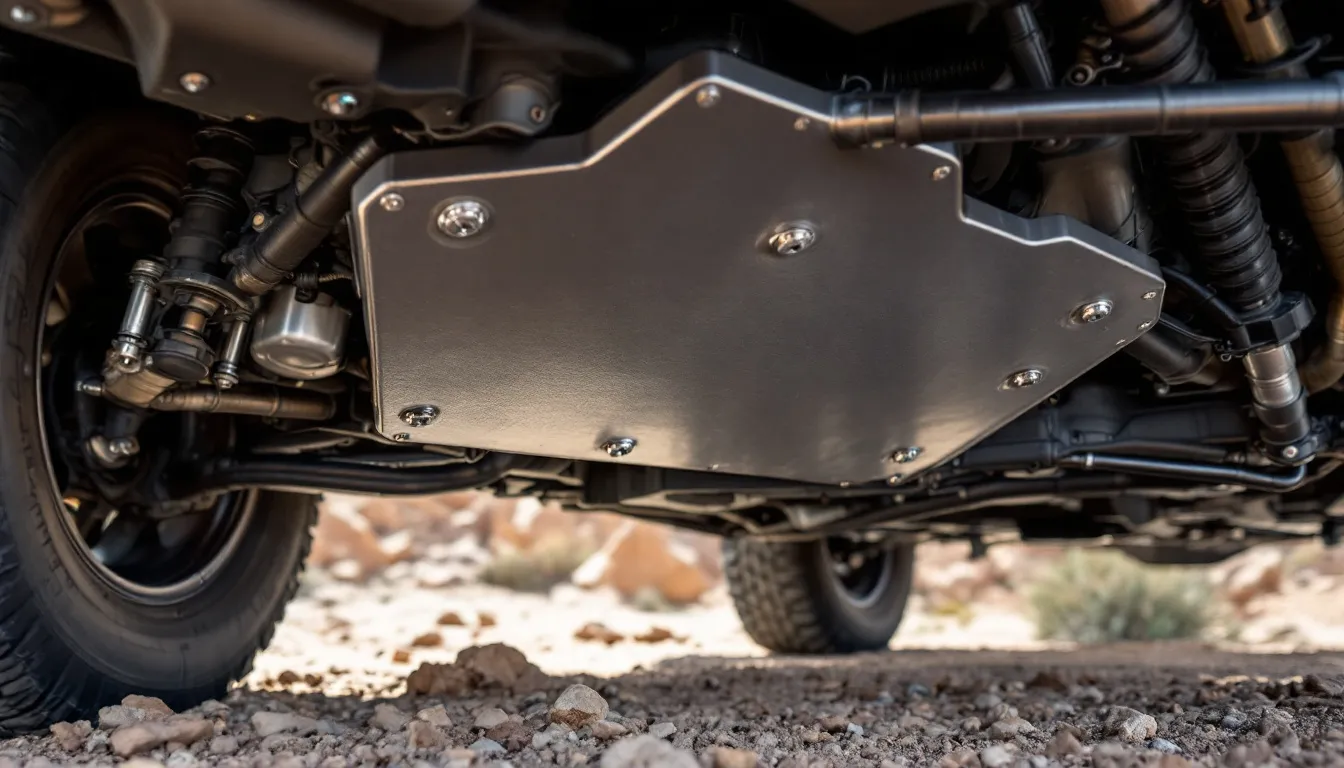
Best Gas Tank Skid Plate for Jeep JK: Armor Your Fuel System
Your Jeep JK’s fuel tank sits exposed underneath the rear of your Wrangler, defended by nothing more than a thin plastic shield. One poorly placed rock at the wrong angle means a punctured tank, a fuel leak miles from civilization, and a recovery bill that’ll sting for months. The factory skid plate? It’s designed for highway debris, not the genuine obstacles you’ll encounter on serious trails.
I learned this the hard way—not with a ruined tank, thankfully, but by watching it happen to a fellow JK owner on a trail run outside Moab. His plastic guard crumpled like tissue paper on a sharp granite edge. He was lucky; the puncture was small enough to limp out on, but the $1,200 tank replacement, shop labor, and towing costs made the experience stick with everyone watching.
That’s where a proper gas tank skid plate comes in. It transforms that vulnerable 22.5-gallon tank into one of your Jeep’s most protected areas. Heavy-duty steel or aluminum armor doesn’t absorb impacts so much as redirect them—sliding across rocks instead of getting punctured by them.
FTC Disclosure: This article contains affiliate links. If you purchase through these links, we may earn a commission at no additional cost to you. This helps us continue providing detailed Jeep JK guides and reviews.
Gas tank damage ranks among the common JK weak points that catch owners off-guard during their first real trail experience. But unlike some vulnerabilities requiring major rebuilds, fuel tank protection is straightforward: bolt on the right armor and you’ve eliminated the problem entirely.
Why Your JK’s Gas Tank Sits in the Crosshairs
Your fuel tank lives 8.5 inches behind the rear axle centerline with a mere 8-10 inches of ground clearance on stock suspension. That position makes it the lowest point at your Jeep’s rear—and therefore the first target when you’re backing up steep climbs or navigating rocky descents at angle.
The factory plastic shield weighs just 3 pounds and was engineered to handle road spray and light highway debris. Trail rocks? That’s a completely different challenge. A replacement fuel tank runs $400-600 for parts alone, plus 3-4 hours of labor if you’re paying a shop. Factor in towing charges and cleanup costs, and you’re looking at a $1,000+ mistake that could’ve been prevented with a $250 piece of armor.
Three zones on the JK fuel tank face particular risk:
- The rear-center section takes the first impact on steep descents where your departure angle matters most
- The driver’s side corner gets caught by rocks during off-camber traverses
- The mounting strap area can crack around the metal retention bands under heavy impacts
Trim level matters less than you’d think here. Rubicon trim differences give you a slightly better departure angle thanks to different rear bumper geometry, but the tank itself occupies the same vulnerable position across Sport, Sahara, and Rubicon models. Model year also plays a minor role—the 2007-2011 versus 2012-2018 JK differences include small fuel system adjustments, but the core vulnerability remains identical.
The aftermarket solution is straightforward: a 3/16-inch to 1/4-inch steel or aluminum barrier bolted directly to your frame. It creates a sliding surface that deflects impacts rather than absorbing them. On a real trail, you’ll hear that distinctive metal scrape when the skid takes a hit—a reassuring sound that means your tank just walked away from something that would’ve destroyed the plastic factory shield.
Steel vs Aluminum: Understanding Your Options
Material choice comes down to how you actually drive your JK and what you prioritize. Both work—they just excel in different scenarios.
| Factor | Steel (3/16”) | Aluminum (1/4”) |
|---|---|---|
| Weight | 45-55 lbs | 25-35 lbs |
| Thickness | 3/16” typical | 1/4” typical |
| Cost | $200-300 | $300-450 |
| Impact Resistance | Excellent—dents but doesn’t crack | Very good—can crack under extreme impacts |
| Corrosion | Powder coating required, inspect annually | Naturally corrosion-resistant |
| Best For | Aggressive rock crawling, heavy trail use | Weight-conscious builds, moderate trails |
Steel absorbs impacts through minor denting. A 3/16-inch plate will take hundreds of hits over years of hard wheeling, showing battle scars but maintaining full protection. The real drawback? Weight—50 pounds of steel at your rear changes things slightly. You’ll see approximately 0.3-0.5 mpg drop on highway driving. Steel also demands quality powder coating and annual inspections for rust, especially if you wheel in wet conditions or on salted winter roads. But that steel has saved countless tanks on serious trails.
Aluminum delivers roughly 60% of the weight at similar protection for most situations. A 1/4-inch aluminum plate handles moderate rock crawling and typical trail obstacles beautifully. Lighter weight helps preserve your JK’s center of gravity and fuel economy. The trade-off: aluminum can crack under extreme point impacts that would simply dent steel. If you’re hammering technical rock gardens with big drops onto sharp edges, steel gives you a higher safety margin.
My approach to evaluating these materials went beyond spec sheets. I spent weeks reading actual build threads, watching real trail damage videos, and asking experienced JK owners what actually survived versus what broke. That real-world perspective matters more than manufacturer claims—seeing what’s still protecting tanks after five years of Colorado rock crawling tells you more than any marketing material.
Pick steel if: You run aggressive trails regularly, want maximum protection regardless of weight, and can accept a minor fuel economy hit. Rock crawlers, Moab regulars, and anyone tackling technical obstacles should default to steel.
Pick aluminum if: You want excellent protection at lower weight, run moderate trails primarily, or you’re building a balanced daily driver/trail rig. Overlanders and weekend trail runners often find aluminum’s weight savings matter more than steel’s extreme impact threshold.
What Actually Makes a Skid Plate Worth Your Money
Don’t get seduced by the cheapest option. Separating genuine protection from glorified plastic bumps requires understanding what actually matters.
Material Thickness and Grade Matter
Steel plates: You want minimum 3/16-inch thickness (4.76mm). Look for ASTM A36 structural steel rated for 36,000 PSI yield strength. Anything thinner and you’re buying a dent panel, not armor.
Aluminum plates: Go 1/4-inch minimum (6.35mm). Specify 5052-H32 or 6061-T6 aluminum alloys with proper heat treatment. Manufacturers cutting corners here save $20 per unit and you discover it when your “armor” cracks on the third trail run.
Avoid anything below these specs. You’re not saving money—you’re renting a false sense of protection.
Mounting System Design Separates Real Armor from Trash
Frame-mounted designs that bolt directly to existing factory holes using grade 8 hardware provide the strongest attachment. Look for reinforced mounting flanges at least 1 inch wide at each bolt point. Quality manufacturers include all necessary hardware—if the listing says “hardware not included,” keep scrolling.
Verify compatibility with your specific model year. 2007-2011 and 2012-2018 JKs have minor mounting point differences. Mounting holes misaligned by half an inch means your expensive armor won’t sit flat and won’t protect properly.
Coverage Area and Fitment Require Real Engineering
The skid should extend from the rear axle forward to fully cover the tank’s front mounting straps. Width matters too—full-width plates protect tank sides during off-camber sections. Partial-width plates leave vulnerable edges.
Door count affects fitment. The 2-door JK positions the tank differently than the 4-door JKU due to wheelbase differences. Most manufacturers make separate 2-door and 4-door versions for this reason. Installing a JKU skid on a 2-door JK can leave mounting holes misaligned or create frame interference—bad news when you’re halfway through installation.
Exhaust system clearance matters too. If you run aftermarket exhaust piping, confirm your chosen skid works with it before ordering. Some plates interfere with popular aftermarket systems. Quality manufacturers list known compatibility or provide specific clearance dimensions.
Corrosion Protection Isn’t Optional
Steel plates need powder coating or equivalent treatment—bare steel becomes a rust generator within weeks, especially after wet trail runs. Black powder coating is standard; verify minimum 2-3 mil thickness. Anything less chips off and you’re back to exposed steel.
Aluminum naturally resists corrosion, so bare metal works fine. Powder coating still looks better and hides trail scars, but it’s optional for function.
Avoid anything with only spray paint. It chips off in weeks and leaves you looking at exposed metal underneath.
Weight Compounds with Total Armor Setup
Steel plates: 45-55 lbs depending on thickness and coverage
Aluminum plates: 25-35 lbs for equivalent coverage
If you’re adding engine skids, transmission skids, and transfer case skids simultaneously, every pound affects your rig. Track total armor weight—it adds up fast and impacts fuel economy and weight distribution.
Brand Reputation and Warranty Matter
Buy from manufacturers with established JK product lines and active customer support. Read recent reviews focusing on fitment issues and long-term durability—not just initial impressions.
Quality manufacturers offer at least 1-year warranties against defects. Guarantee language tells you whether a company stands behind their work.
Be skeptical of generic “universal Jeep” listings. JK-specific engineering matters for proper fitment and protection.
Top Performers: Where to Find Quality Options
Check current availability on Rock Krawler fuel tank skids and other established manufacturers like Poison Spyder, Rock Hard 4x4, and Artec Industries. Specialty retailers like Northridge4x4, Quadratec, and ExtremeTerrain carry solid options.

ECOTRIC Fuel Tank Skid Plate (2007-2018 JK 2-Door)
Material: Steel | Thickness: 3/16" | Weight: ~50 lbs | Finish: Black powder coat
Pros: Proven JK-specific fitment, quality powder coating, includes all hardware, extensive positive user reviews for durability
Cons: Heavy for aluminum-conscious builds, requires torque wrench for proper installation
$262.54
Check Current Price on Amazon →
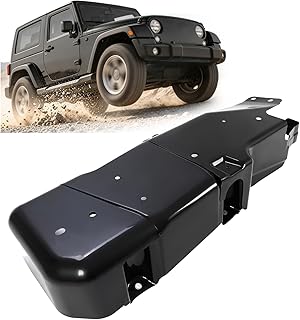
Generic 2007-2018 JK Fuel Tank Skid Plate
Material: Steel | Thickness: 3/16" | Weight: ~48 lbs | Finish: Black powder coat
Pros: Affordable entry point, covers full tank area, powder-coated steel
Cons: Mixed fitment reports across model years, basic documentation, variable coating quality
$198
Check Current Price on Amazon →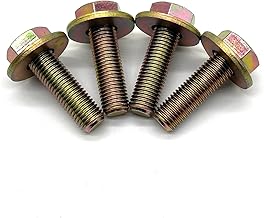
Region Offroad Skid Plate Hardware Kit (Grade 8 Bolts)
Material: Grade 8 Steel | Quantity: Complete fastener set | Coating: Zinc plated
Pros: High-quality hardware separate from plate, includes all necessary fasteners, significantly reduces bolt replacement headaches during installation
Cons: Only bolts—you still need the actual skid plate
$29.99
Check Current Price on Amazon →Focus on the specifications above rather than just chasing the lowest price. A $180 thin steel plate that dents severely on its first real trail becomes expensive when you’re replacing it while everyone watches on the trail. A $280 quality plate protecting your tank for years costs less in the long run. For additional perspective on evaluating JK modifications and protection priorities, explore our comprehensive JK buying guide.
Installation: The Practical Reality
Installing a gas tank skid plate is a straightforward bolt-on job you can knock out in your driveway with basic hand tools. First-timers typically invest 2-3 hours; experienced JK owners finish in about 60 minutes.
What the Process Actually Involves:
- Lift and support properly on jack stands at the frame—never work under a vehicle supported only by a jack. You need 16-18 inches of clearance underneath to work without contorting yourself
- Remove the factory plastic skid by loosening 4-6 bolts (usually 13mm or 15mm). Older plastic shields become brittle with UV exposure and often crack during removal
- Clean mounting surfaces on the frame thoroughly—old dirt, rust, and debris prevent proper seating
- Position the new skid and start all bolts hand-tight before final tightening to ensure proper alignment
- Torque bolts to specification—typically 35-45 ft-lbs for frame-mounted hardware. Use thread locker on every fastener
- Verify exhaust clearance during suspension compression and confirm nothing contacts the skid when articulating
Tools You Actually Need:
- Floor jack plus four jack stands rated for your JK’s weight (non-negotiable for safety)
- Socket set covering 10mm-19mm metric range
- Torque wrench capable of 20-80 ft-lb range
- Wire brush for cleaning frame mounting points
- Medium-strength blue thread locker
- Penetrating oil if your JK has rusty factory bolts
Working space underneath is tight but manageable. You’ll be on your back with limited room around the rear axle. If you have a lift kit installed, you gain valuable clearance. Stock-height JKs feel cramped but remain doable with patience.
Most quality skid plates include detailed instructions with photos and torque specs. Follow them carefully—especially bolt sequence and torque values. Over-tightening strips frame threads and warps mounting flanges. Under-tightening means your armor shifts under trail impacts.
If exhaust interference emerges during fitment, call the manufacturer before you force anything. They can usually provide routing solutions or exhaust hanger modification details for your specific system.
Real Considerations Before You Buy
Model Year and Trim Compatibility
Jeep made minor fuel system adjustments between early (2007-2011) and late (2012-2018) production. Tank capacity and basic positioning stayed consistent, but mounting points shifted slightly in 2012. Always verify explicit compatibility with your specific year. Guessing on this detail means mounting holes that don’t align.
Door count matters more than trim. The 2-door JK positions the tank differently than the 4-door JKU due to wheelbase differences. Most manufacturers make separate 2-door and 4-door versions for this reason. Installing a JKU skid on a 2-door JK creates misaligned mounting holes or frame interference—a frustrating discovery halfway through installation. Check your door count carefully when ordering.
Exhaust System Interactions
If you’re running an aftermarket exhaust with non-stock piping diameter or routing, confirm clearance before purchasing. Some skid plates work fine with stock exhausts but interfere with popular aftermarket systems. Quality manufacturers list known compatibility or provide specific clearance dimensions.
In some cases, you may need to modify exhaust hangers or reroute the system to achieve proper clearance. Call the manufacturer directly if you run aftermarket exhaust—they can tell you whether their skid works with your specific setup. This conversation saves frustration during installation.
Integration with Armor Package Synergy
Gas tank skids work best as part of a complete underbody armor package. If you’re also installing engine skids, transmission skids, and transfer case skids, verify they’re designed to work together. Some manufacturers engineer armor systems where plates overlap at edges to eliminate gaps. Mismatched armor from different companies creates vulnerable spots between plates where rocks can catch and cause damage. Buying a complete armor package from one manufacturer ensures proper integration and often saves money versus piecing together individual plates from multiple brands.
Weight Distribution and Overall Balance
Adding 50 pounds of steel armor at the rear affects weight distribution, particularly on 2-door JKs with shorter wheelbases. The impact on handling during normal driving is minimal—you probably won’t notice it. But if you’re building a balanced overland rig with roof racks, rear bumpers, tire carriers, and storage systems all adding rear weight, every pound compounds.
I experienced this firsthand while organizing gear for an extended Namibia trip in my own JKU. Adding a modular drawer system in the rear cargo area, heavy recovery gear, water storage, and roof rack weight taught me quickly that rear-end weight adds up fast. Four-door Wranglers look spacious until you load properly for overland travel—then every pound matters for handling and fuel economy. Track your total rear weight additions and consider aluminum for the gas tank skid if you’re already stacking substantial weight elsewhere.
Professional Installation Cost Reality
While most JK owners can handle gas tank skid installation themselves, some prefer professional work. If you lack jack stands, adequate workspace, or mechanical confidence, budget for professional installation at a local 4x4 shop. Expect to pay $100-150 in labor for straightforward installation. That cost increases if you’re installing multiple armor pieces simultaneously or the shop needs to modify exhaust components for clearance. Factor installation cost into your total budget when comparing options—sometimes a slightly pricier plate with better instructions saves money overall when you factor in potential shop fees.
Questions About Gas Tank Skid Plates Answered
Do I need a gas tank skid plate if I have a lift kit?
Yes, absolutely. A lift kit raises your body and frame but doesn’t change your fuel tank’s relative position to trail obstacles. The tank remains the lowest rear component regardless of suspension height. Lifted JKs actually encounter more aggressive trails where gas tank protection becomes even more critical. Your lift improves approach and departure angles—which means you can attempt steeper, rockier trails that would leave a stock JK stranded. But none of that eliminates the risk of backing into rocks or bottoming out on technical descents. Lift plus armor equals real capability.
Will a gas tank skid plate fit my Rubicon?
Fit all JK trims including Rubicon models without issue. The fuel tank position and mounting points are identical across Sport, Sahara, and Rubicon trims. However, verify compatibility with your specific model year (2007-2011 vs 2012-2018) and door count (2-door vs 4-door JKU). Some manufacturers make trim-specific versions due to minor exhaust routing differences, but the core mounting system remains universal across JK trims. See our guide to differences between JK trims for additional context.
Can I install a gas tank skid plate myself?
Yes, if you have basic mechanical skills and proper equipment. The job requires jacking and supporting your Jeep safely on jack stands, removing 4-6 factory bolts, and installing the new skid plate with provided hardware. Budget 2-3 hours for your first install. Critical elements are proper bolt torque specifications and ensuring adequate exhaust clearance. If you’ve never worked under your Jeep or lack jack stands, have a 4x4 shop handle installation. It’s straightforward work—shops complete it quickly. The cost of professional installation ($100-150) sometimes makes sense if it means doing the job right.
Does aluminum protect as well as steel?
Aluminum provides excellent protection for moderate to heavy trail use. Steel has a higher threshold for extreme impacts. A 1/4-inch aluminum plate handles the vast majority of trail obstacles without issue—it’s significantly stronger than factory plastic protection. However, steel’s advantage shows in extreme scenarios: massive point impacts from sharp rocks during high-speed rock crawling or severe technical obstacles. For most JK owners, aluminum delivers sufficient protection at lower weight. Choose steel if you regularly run highly technical terrain or prioritize maximum impact resistance over weight considerations. Honest assessment of your actual trail use determines the right choice.
How much weight does a skid plate add?
Steel gas tank skid plates typically weigh 45-55 pounds depending on coverage area and thickness. Aluminum plates weigh 25-35 pounds for equivalent coverage. That weight sits at the rear of your JK behind the rear axle, creating a minor fuel economy impact (approximately 0.3-0.5 mpg loss with steel) and slightly affecting weight distribution. The handling impact is negligible during normal driving, though 2-door JK owners may notice slightly less responsive rear end during aggressive cornering if adding multiple heavy armor pieces simultaneously. Factor this weight into your total armor package calculations.
Will a skid plate void my Jeep warranty?
Aftermarket skid plates generally do not void your Jeep warranty under the Magnuson-Moss Warranty Act, which prohibits manufacturers from voiding warranties simply because you installed aftermarket parts. However, if a skid plate installation directly causes damage—such as improperly torqued bolts damaging frame threads—that specific damage wouldn’t be covered. Keep all installation receipts and follow torque specifications exactly. If warranty concerns exist, have a certified shop perform installation and document the work. Factory Jeep warranties typically don’t cover trail damage to fuel tanks anyway, making aftermarket protection a sensible investment regardless of warranty status.
Making Your Final Decision
Choosing the best gas tank skid plate for your Jeep JK means matching material to your actual trail use and being honest about your budget. Steel plates deliver maximum protection for aggressive rock crawling and technical terrain, while aluminum provides excellent defense at lower weight for moderate trail use and balanced builds.
Start with honest assessment of your wheeling style. If you regularly tackle Moab-level obstacles or push your JK hard on technical terrain, invest in 3/16-inch steel and accept the weight penalty. The protection will pay for itself the first time you hear that scrape instead of a tank puncture. For weekend trail runners, overlanders, and mixed-use daily drivers, 1/4-inch aluminum delivers strong protection without sacrificing fuel economy or weight distribution.
Don’t prioritize saving $50 over genuine protection. A quality skid plate costs $200-450 but prevents $1,000+ in tank damage and recovery costs from a single trail incident. It’s one of the smartest investments you can make in your JK’s longevity and capability. The ECOTRIC Fuel Tank Skid Plate and other proven options deliver reliable protection that justifies its cost the first time it prevents tank damage. Combined with top protection options and hardtop upgrades, you create comprehensive defense that lets you push your Jeep’s real limits with genuine confidence.
The exposed fuel tank is a known vulnerability on every JK built between 2007 and 2018. Eliminate it with proper armor before it becomes an expensive lesson learned on the trail.
Get the Free JK Build Planner
Complete PDF with mod checklists, gear ratios, tire sizing charts, and budget worksheets. Everything you need to plan your JK build.
No spam. Unsubscribe anytime. By subscribing, you agree to our Privacy Policy.
Allan
I'm Allan. I bought a 2014 Jeep Wrangler JKU and I research the hell out of every mod before I touch it. Everything here is tested or deeply researched on my own rig - no sponsored fluff, just honest findings.
Learn more about me →Get the JK Build Planner
Free PDF with complete build checklists, gear ratios, and tire fitment guides.
By subscribing, you agree to our Privacy Policy.
Related Articles
Best Fender Flares for Jeep JK: Flat, Tube & High-Clearance Options Ranked
Affiliate Disclosure: JeepJK Guide earns a commission on qualifying purchases made through links on this page. This does not affect our editorial...
Best Front Bumper for Jeep JK: Complete 2026 Buying Guide
Find the best front bumper for your Jeep JK. Compare stubby vs full-width designs, steel vs aluminum materials, and budget to premium options for rock crawling and overlanding.
Best Grill Inserts for Jeep JK: Mesh, Angry Eyes & Custom Grille Options