Best Fender Flares for Jeep JK: Flat, Tube & High-Clearance Options Ranked
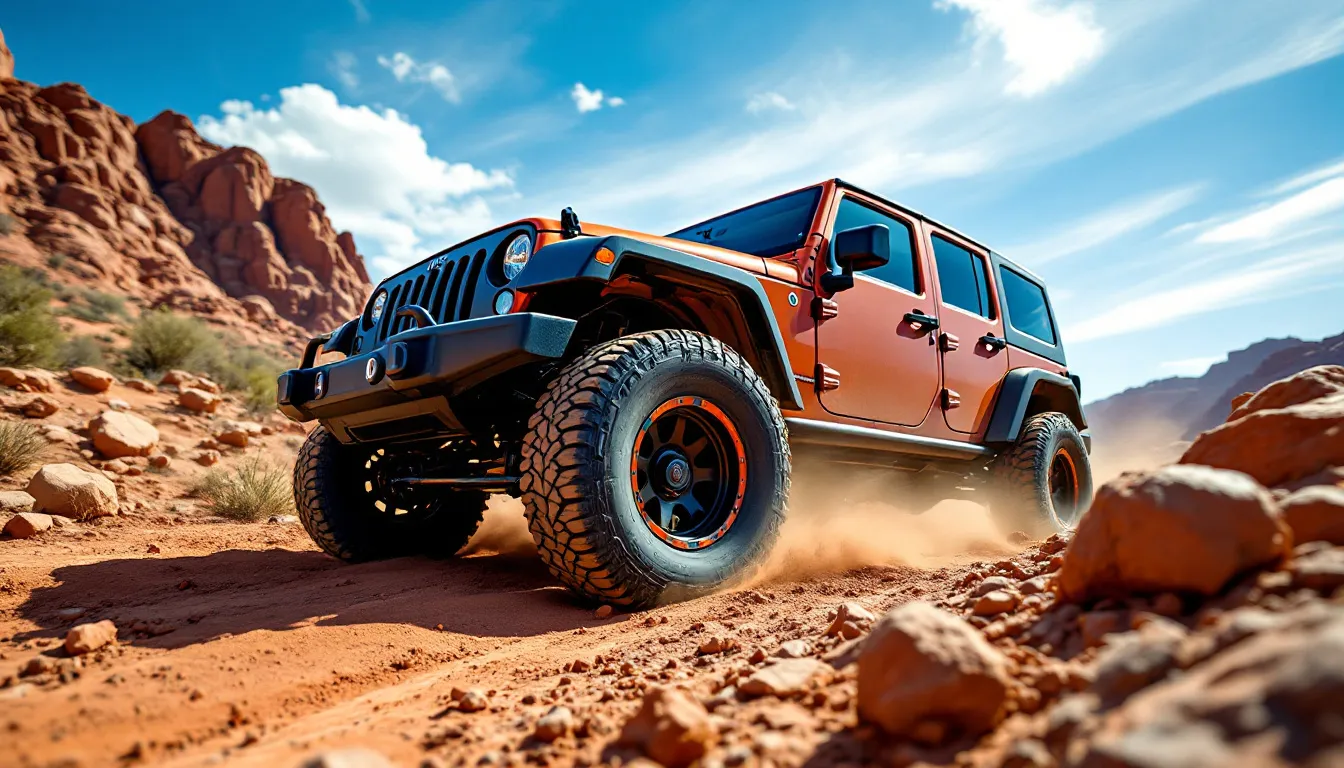
Best Fender Flares for Jeep JK: Flat, Tube & High-Clearance Options Ranked
Affiliate Disclosure: JeepJK Guide earns a commission on qualifying purchases made through links on this page. This does not affect our editorial recommendations.
Introduction: The Best Fender Flares for a Jeep JK at a Glance
Fender flares are simple: they’re bolt-on or drill-mounted panels that extend your factory wheel arch to legally cover wider tires and keep mud, rocks, and debris thrown by the tread off your body panels. Sounds straightforward until you start shopping and realize there are three completely different approaches to solving the same problem.
The best fender flares for your JK depend almost entirely on one thing: your tire size. Run 33s on a modest lift? OEM-style or flat flares work fine. Push to 37s or wider on a 3.5-inch-plus lift, and flat flares start rubbing. That’s when you need high-clearance or tube flares that actually clear your tires during suspension articulation. These principles apply to every 2007-2018 Jeep Wrangler — both 2-door JK and 4-door JKU — but the rear flares between the two are different lengths and absolutely not interchangeable. Confirming your door count before ordering is non-negotiable; it’s the most common mistake I see in JK owner forums.
For tire pairing guidance, check out our best 37-inch tires for a Jeep JK. Still evaluating the JK platform itself? The JK Buyers Guide covers everything you need to know before committing.
3 Types of Jeep JK Fender Flares: Which Style Fits Your Build?
The three main fender flare styles — flat, tube, and high-clearance — each solve a different problem for a different stage of JK ownership. Flat flares work for street rigs with modest tire upsizes. Tube flares are built for rock crawlers who need maximum articulation clearance. High-clearance flares split the difference for owners who want trail capability without going full rock crawler. Understanding which category your build falls into eliminates most of the guesswork.
Flat Fender Flares
Flat flares (sometimes called “pocket style” or “street style”) sit flush against the body and extend the arch by a fixed width — usually 3 to 4.5 inches, though that varies by brand and model year.
What you’re getting:
- Closest appearance to factory fenders; integrates cleanly with existing paint
- Typically handle tires up to about 35 inches on a 2.5- to 3.5-inch lift
- Come in pre-painted, paintable, or textured black finishes
- Most use bolt-on mounting — no drilling required
- Sold in separate 2-door JK and 4-door JKU versions (front flares often shared, rear flares always different)
Best for: Daily drivers, show Jeeps, mild trail rigs running 33s to 35s.
Tube Fender Flares
Tube flares replace the stock fender arch with bare tubular steel or aluminum. Coverage drops significantly, but clearance jumps dramatically.
What you’re getting:
- Maximum articulation clearance — your tires flex without contacting the flare
- Handle 35- to 40-plus-inch tires depending on tube diameter and lift height
- Require trimming inner fender liners; some serious kits require cutting factory sheetmetal
- Completely transform your Jeep’s appearance — definitely a “purpose-built” look
- JKU rear tubes are longer than JK versions to cover the extra wheelbase
Best for: Rock crawlers, competition crawlers, off-road-focused rigs with 37-40-inch tires and serious lift.
High-Clearance Fender Flares
High-clearance flares — marketed as “trail” or “adventure” flares by most brands — combine legal tire coverage with a swept-up, notched profile that keeps the flare out of your tire’s path during suspension flex.
What you’re getting:
- Typically 3 to 5 inches of extra coverage with an upward sweep at the rear arch
- Clean fit for 35- to 37-inch tires on a 3- to 4-inch lift; some accommodate 40 inches with fender trimming
- Moderate installation difficulty — drill-and-mount with inner liner trimming
- Pair well with a best front bumper for Jeep JK for a cohesive trail aesthetic
- Available in separate JK and JKU rear configurations
Best for: Trail-capable daily drivers, weekend wheelers running 35s–37s, JK owners who want real clearance without the full tube aesthetic.
For wheel choices to pair with any of these styles, our best wheels for Jeep Wrangler JK guide covers offset and backspacing — critical stuff because how far your tire sticks out from the wheel directly affects flare choice.
Jeep JK Fender Flare Styles Compared: Quick-Reference Table
When you need the fastest answer to “which flare fits my specific build,” this table gives you everything that matters side by side. Style, tire compatibility, required lift, and legal street use are the columns that actually impact your decision.
| Flare Style | Best For | Max Tire Size (typical) | Lift Required | Installation Difficulty | Price Range | Legal Street Use |
|---|---|---|---|---|---|---|
| Flat / Pocket Style | Street + mild trail | ~35 in | 2–3.5 in | Easy (bolt-on) | $150–$400 | Yes, in most states |
| OEM-Style | Stock replacement | ~33 in | Stock–2.5 in | Easy (bolt-on) | $80–$250 | Yes |
| High-Clearance / Trail | Trail + daily driver | ~37–40 in | 3–4.5 in | Moderate (drill/trim) | $250–$600 | Yes, in most states |
| Tube Fender | Rock crawling | 37–40+ in | 4+ in | Hard (cut/trim/weld possible) | $300–$800+ | Varies by state |
Critical reminder: Every flare in this table comes in separate JK (2-door) and JKU (4-door) versions — the rear flares are different lengths and will not fit across configurations.
Best Fender Flares for Jeep JK: Top Picks by Style (2007-2018)
Matching your tire size, planned lift height, and fabrication comfort level is what separates a flare purchase you’ll love from one you’ll regret. The five picks below represent the strongest options in each category based on real owner feedback, JK community consensus, and proven fitment across different lift and tire configurations on 2007-2018 JK and JKU models.
Best Overall Flat Fender Flare for Jeep JK
Flat fenders are the most popular category for JK owners wanting a finished look without the full off-road aesthetic. The best overall option in this slot combines at least 3.5 inches of added coverage, both JK and JKU fitments, UV-stabilized ABS plastic, and true bolt-on mounting without drilling. Pre-drilled mounting holes that align perfectly with factory bolt locations separate a 90-minute job from a half-day frustration session.
What separates the best from the rest:
- UV-stabilized ABS plastic that resists cracking and sun fading
- Minimum 3–3.5 inches additional tire coverage over stock
- Bolt-on installation using factory mounting points (no drilling)
- Available in textured black with paintable option for color-matching
Pros:
- Factory-integrated appearance — cleanest look of any flare style
- Easiest install — bolt-on with no drilling required
- Widely available in matched JK and JKU fitments
Cons:
- Limited clearance for tires larger than about 35 inches
- Less aggressive aesthetic compared to tube or high-clearance options
Fitment reality check: confirm 2-door JK versus 4-door JKU before ordering — rear flares are absolutely not interchangeable.

Jeep Flat Style Rear Fender Flares | 2-Piece Set, Black, Textured Finish | 10050-07 | Fits 2007-2018
$359.99
Check Price on Amazon →The Jeep OEM flat style fender flares set the standard for what bolt-on installation actually means. They use factory mounting points and require zero drilling. You’re looking at a clean integration with existing body lines and a genuinely professional finish once installed.
Best Tube Fender Flare for Jeep JK
When your build reaches the point where standard plastic flares can’t keep up with your tire size and suspension flex, tube flares become the right answer. If you’re running 37s or larger on a 4-inch-plus lift with real suspension articulation, tube fenders give your tires the room they need. Look for DOM steel or quality steel tube construction, a finish that handles trail abuse (bare steel you can paint, or a solid powder coat), and a design that doesn’t require cutting factory sheetmetal — some quality kits work with factory mounting locations and added brackets instead.
What matters in a tube fender kit:
- DOM or equivalent steel tube construction for arch strength
- Designed for 37-inch minimum fitment; confirm whether 40-inch tires need inner fender trimming
- Kit includes all hardware and brackets
- Separate JK and JKU rear configurations available
Pros:
- Maximum tire clearance for aggressive suspension articulation
- Dramatically lighter than solid plastic panels
- Easiest to repair or modify on the trail if damage occurs
Cons:
- Minimal debris protection compared to flat or high-clearance flares
- More complex installation — requires liner removal and trimming
Fitment reality check: JKU tube kits require a longer rear section — verify fitment before purchasing.
The Rugged Ridge tube fender flares are the go-to standard when maximum articulation clearance is non-negotiable. They give your 37-inch tires the breathing room they need at full suspension droop while maintaining genuine trail durability.
Best High-Clearance Fender Flare for Jeep JK
High-clearance flares are the sleeper pick in this category — they look genuinely purposeful, provide legal coverage in nearly every state, and handle 35- to 37-inch tires on a 3.5-inch lift without constant rubbing issues. The swept-up rear profile is the design element that makes them work: it keeps the flare edge above your tire’s path even during full articulation. Quality options are typically HDPE or textured ABS, and the best ones integrate cleanly with aftermarket front bumpers for a cohesive build. Pair this style with your best snorkel for Jeep JK if you’re building a genuine trail rig.
What makes a high-clearance flare worth the extra cost:
- Swept-up or notched rear profile that actually clears tires at full suspension droop
- Compatible with 35- to 37-inch tires on 3–4.5-inch lift heights
- Drill-and-mount installation (more secure than clip-on, requires preparation)
- Durable finish that handles UV exposure and trail contact
Pros:
- Best balance of trail clearance and street-legal tire coverage
- Aggressive look without the full tube-fender commitment
- Compatible with most 3.5-inch lift and larger builds
Cons:
- Installation typically requires drilling and inner liner trimming
- Higher price than OEM-style flat flares
Fitment reality check: high-clearance flares are model-specific — rear sections differ significantly between JK and JKU.

Hooke Road JK High Clearance Fender Flares for 2007-2018 Jeep Wrangler JK JKU 2 or 4 Doors, Sturdy S
$299.99
Check Price on Amazon →The Hooke Road high-clearance fender flares deliver exactly what this category promises: trail-ready clearance paired with street legality. The notched rear profile clears 37-inch tires through full suspension articulation while maintaining that purpose-built appearance.
Best Budget Fender Flare for Jeep JK
Budget flares serve a real purpose: they get your JK legal and protected while you’re allocating funds elsewhere in your build. The best budget options are bolt-on flat-style flares that use factory mounting locations, include all necessary hardware, and come in textured black ready to install. You’re looking at ABS plastic at this price point — functional but not premium UV resistance — so expect some fading after a season of direct sun exposure. That’s the tradeoff for the price.
What you need from a budget option:
- Bolt-on installation using factory mounting points
- All mounting hardware included
- Textured black finish ready to install
- Available in both JK and JKU fitments
Pros:
- Lowest entry cost for legal tire coverage
- No drilling required on bolt-on budget options
- Adequate for 33-inch tires on stock or 2-inch lift
Cons:
- UV and impact resistance typically lower than premium brands
- Fitment precision usually lower — gaps more common than on name-brand options
Fitment reality check: even budget flares are model-specific — JKU rear flares will not fit a 2-door JK.
Budget-conscious owners should also invest in quality fender flare mounting hardware kits to prevent rattling and ensure long-term durability from loose fasteners.
Best Fender Flare for JKU 4-Door Specifically
The JKU’s longer wheelbase means a longer rear quarter panel, which means the rear flare has to cover more territory. Several brands sell “universal” or mislabeled kits that actually fit only the 2-door JK — this pick is specifically for JKU owners who want confirmed 4-door fitment. Look for manufacturers who explicitly label for JKU fitment and include a longer rear section that’s actually measured for the JKU’s proportions. High-clearance and flat-style options both work here; fitment accuracy matters more than style preference. See our best front bumper for Jeep JK guide for coordinating exterior upgrades across your JKU.
What distinguishes a JKU-specific option:
- Explicitly confirmed JKU (4-door) fitment in product description
- Rear flare length appropriate for JKU quarter panel
- Front flares matching rear style and finish
- Complete hardware for all four corners
Pros:
- Eliminates the most common JKU ordering mistake (buying JK rear flares by accident)
- Typically better product support and straightforward returns from JKU-focused brands
- Integrates cleanly with JKU-specific bumper and wheel packages
Cons:
- Fewer SKU options than the more common 2-door JK fitment
- Price premium on JKU-specific kits with some brands
Fitment reality check: this pick is for 2007-2018 JKU 4-door only — it will not fit the 2-door JK.
How to Choose Fender Flares for Your JK: Key Factors
I spent three months researching lift kits before pulling the trigger on my own build. Forum threads, YouTube install videos, owner reviews — everything I could find. The lesson stuck with me: research in this category pays real dividends. Same principle applies to flares. You’re balancing four factors: material quality, how much coverage you legally need, installation complexity, and what finish works for your build. Get these four right and you avoid the expensive mistake of buying flares that don’t fit your tire size or require fabrication work you’re not prepared to handle.
Material: ABS vs. HDPE vs. Steel
ABS plastic dominates the market and works well for street and mild trail use. It’s lightweight, paintable, and takes hardware mounting cleanly. HDPE (high-density polyethylene) is more flexible and impact-resistant — better choice for rock crawling where trail contact happens regularly. Steel tube fenders are the strongest option but add weight and require maintenance to prevent rust, particularly in wet climates. For most JK owners, ABS or HDPE is the right choice. Tube steel belongs on purpose-built crawlers.
Coverage Width and State Legality
Your flares must cover your tires’ full tread width — that’s the standard applied in most U.S. states, though exact wording varies. The practical rule: if your tire sticks out past the flare, you’re likely out of compliance and visible to enforcement. Measure your tire width against your wheel offset before buying. A tire mounted on aggressive negative offset (high backspacing) sits further out and may need a wider flare than the same tire on a stock wheel. Our wheel offset and backspacing guide for the JK provides reference specs.
Installation Difficulty
Bolt-on flat flares are the easiest install. Tube fenders are the hardest. Most JK owners with basic mechanical skills complete a bolt-on flat flare install in an afternoon. High-clearance flares typically require drilling new mounting holes and trimming inner liner — add a few hours and a drill to your tool list. Tube fenders may require cutting factory sheetmetal and welding brackets depending on the kit design. Be honest about your skill level before committing.
Real-world knowledge beats spec sheets every time. Before committing to any flare style, spend time in JK-specific forums and owner groups. That’s where the installation details live — stripped mounting holes on earlier model years, actual liner trimming requirements, wheel well rust issues — information that never appears in manufacturer PDFs. I’ve seen more money wasted on flares ordered without that community research than on any other exterior upgrade. That philosophy matters for trim-level considerations too; the Rubicon vs Sport vs Sahara guide covers factory equipment differences that affect flare fitment.
Finish and Paint Options
Textured black is the most forgiving finish — it hides trail scuffs and doesn’t demand perfection. If you’re going color-matched, confirm the flare is genuinely paintable. Some textured finishes don’t bond well with rattle-can paint despite manufacturer claims. Pre-painted flares exist but require exact color code matching to your JK’s current paint — difficult on older or repainted vehicles. Most trail-focused builds stick with textured black for simplicity and durability.
Installing Jeep JK Fender Flares: What to Expect Before You Start
Most JK flare installations fall into one of three tiers: bolt-on, drill-and-mount, or cut-and-trim. Knowing which tier applies before you start determines your tool requirements and realistic time investment.
Tools typically needed for any install:
- Ratchet set and socket set (SAE and metric)
- T27 and T40 Torx bits (standard JK fender hardware)
- Flathead and Phillips screwdrivers
- Plastic trim removal tools (prevents scratching)
- Drill and drill bit set (required for drill-and-mount styles)
- Cutting wheel or jigsaw (required only for cut-and-trim styles)
- Masking tape and marker (for cut line marking)
Invest in quality stainless steel or corrosion-resistant fasteners — the 11609.25 fender flare hardware kit provides everything needed for secure, rattle-free mounting on any 2007-2018 JK.

11609.25 | Fender Flare Hardware Kit | Fits 2007-2018 Jeep Wrangler JK
$63.74
Check Price on Amazon →The Three Installation Tiers
Tier 1 — Bolt-On (Easy): Flat and OEM-style flares usually remove factory flares and reuse the same mounting locations. Most owners report completing all four corners in 2–4 hours. Zero drilling required.
Tier 2 — Drill-and-Mount (Moderate): High-clearance flares typically add mounting points beyond factory locations. Expect drilling 4–8 additional holes per flare and trimming inner liner for clearance. Follow the specific product’s template instructions exactly — don’t improvise here.
Tier 3 — Cut-and-Trim (Hard): Tube fenders often require trimming or cutting inner fender liner, and some kits require cutting factory sheetmetal at the arch. This tier demands fabrication experience or professional shop help.
Rust reality for 2007-2013 JKs: Before removing factory flares on early production JKs, inspect mounting areas and lower quarter panels for rust. Early JKs had known rust-prone areas around rocker panels and lower wheel arches. Address rust before new flares go on — flares mounted over rust trap moisture and accelerate the problem. For broader maintenance context, check the JK maintenance schedule.
For other exterior work worth doing simultaneously, our exterior upgrades guide covers complementary projects. Doing multiple exterior upgrades in one session saves significant removal and reinstallation time.
Frequently Asked Questions: Jeep JK Fender Flares
These are the actual questions JK owners ask when shopping for flares — answered directly so you can make a confident choice.
Q: Are fender flares required on a Jeep JK?
A: In most U.S. states, fender flares or full fenders are legally required if your tires extend beyond the factory body line. Specific wording varies by state, but the practical standard is that tires must be covered by fender or flare at least to tread width. Running wide tires on lifted suspension without updated flares is one of the most common reasons JK owners get fix-it tickets during off-road season. Check your specific state regulations before assuming you’re compliant.
Q: Do JK and JKU fender flares interchange?
A: No. Front flares are sometimes compatible across configurations, but rear fender flares for 2-door JK and 4-door JKU are different lengths and do not interchange. The JKU’s longer rear quarter panel requires a longer rear flare. This is the single most common ordering mistake in the entire JK fender flare category — verify door count when ordering or you’ll be dealing with a return.
Q: What fender flares fit 37-inch tires on a Jeep JK?
A: Running 37-inch tires on a JK requires high-clearance or tube fender flares paired with minimum 3.5-inch lift. Standard flat flares typically max out around 35 inches before rubbing during suspension flex. High-clearance flares with swept-up rear profile are the most popular choice for 37-inch builds that still see regular street use.
Q: Can I install JK fender flares myself?
A: Yes — flat and OEM-style bolt-on flares are straightforward DIY work for anyone comfortable with basic hand tools. High-clearance flares require drilling and liner trimming, adding complexity but still achievable for competent home mechanics. Tube fenders are the exception: they may involve cutting and welding, best handled by someone with fabrication experience or a professional shop. Always follow the specific product’s installation instructions rather than generic guides.
Q: How much do Jeep JK fender flares cost?
A: Pricing varies significantly by style and brand. Budget bolt-on flat flares typically start around $100–$200 for a full set. Mid-range flat and high-clearance options run roughly $250–$500. Premium high-clearance and tube fender kits can exceed $600–$800 depending on material and complexity. Check current pricing at point of purchase — prices vary by retailer and change regularly. For broader build budgeting, the JK buyers guide covers realistic costs for a complete JK build.
Final Verdict: Which Jeep JK Fender Flares Are Right for You?
The right fender flare comes down to two non-negotiables: your door count and your tire’s tread width relative to your wheel arch.
Flat flares work for street-focused builds running 33s to 35s on mild lift. Tube fenders belong on rock crawlers running 37-plus-inch tires with aggressive suspension flex. High-clearance flares are the best all-around choice for trail-capable daily drivers — they provide legal coverage, fit 35- to 37-inch tires cleanly, and don’t require the fabrication commitment tube fenders demand.
Flare choice is part of a bigger build decision where each modification affects the next. Once you’ve landed on flares, pair that choice with the right wheels and bumper before ordering anything. Our best front bumper for your JK and best wheels for Jeep Wrangler JK guides help you finish the build correctly. Make the three decisions as a unit rather than piecemeal, and you’ll avoid the compatibility headaches that come from ordering exterior upgrades without seeing how they work together.
Get the Free JK Build Planner
Complete PDF with mod checklists, gear ratios, tire sizing charts, and budget worksheets. Everything you need to plan your JK build.
No spam. Unsubscribe anytime. By subscribing, you agree to our Privacy Policy.
Allan
I'm Allan. I bought a 2014 Jeep Wrangler JKU and I research the hell out of every mod before I touch it. Everything here is tested or deeply researched on my own rig - no sponsored fluff, just honest findings.
Learn more about me →Get the JK Build Planner
Free PDF with complete build checklists, gear ratios, and tire fitment guides.
By subscribing, you agree to our Privacy Policy.
Related Articles
Best Front Bumper for Jeep JK: Complete 2026 Buying Guide
Find the best front bumper for your Jeep JK. Compare stubby vs full-width designs, steel vs aluminum materials, and budget to premium options for rock crawling and overlanding.
Best Gas Tank Skid Plate for Jeep JK: Armor Your Fuel System
Your Jeep JK's fuel tank sits exposed underneath the rear of your Wrangler, defended by nothing more than a thin plastic shield. One poorly placed rock...
Best Grill Inserts for Jeep JK: Mesh, Angry Eyes & Custom Grille Options