Best Grill Inserts for Jeep JK: Mesh, Angry Eyes & Custom Grille Options
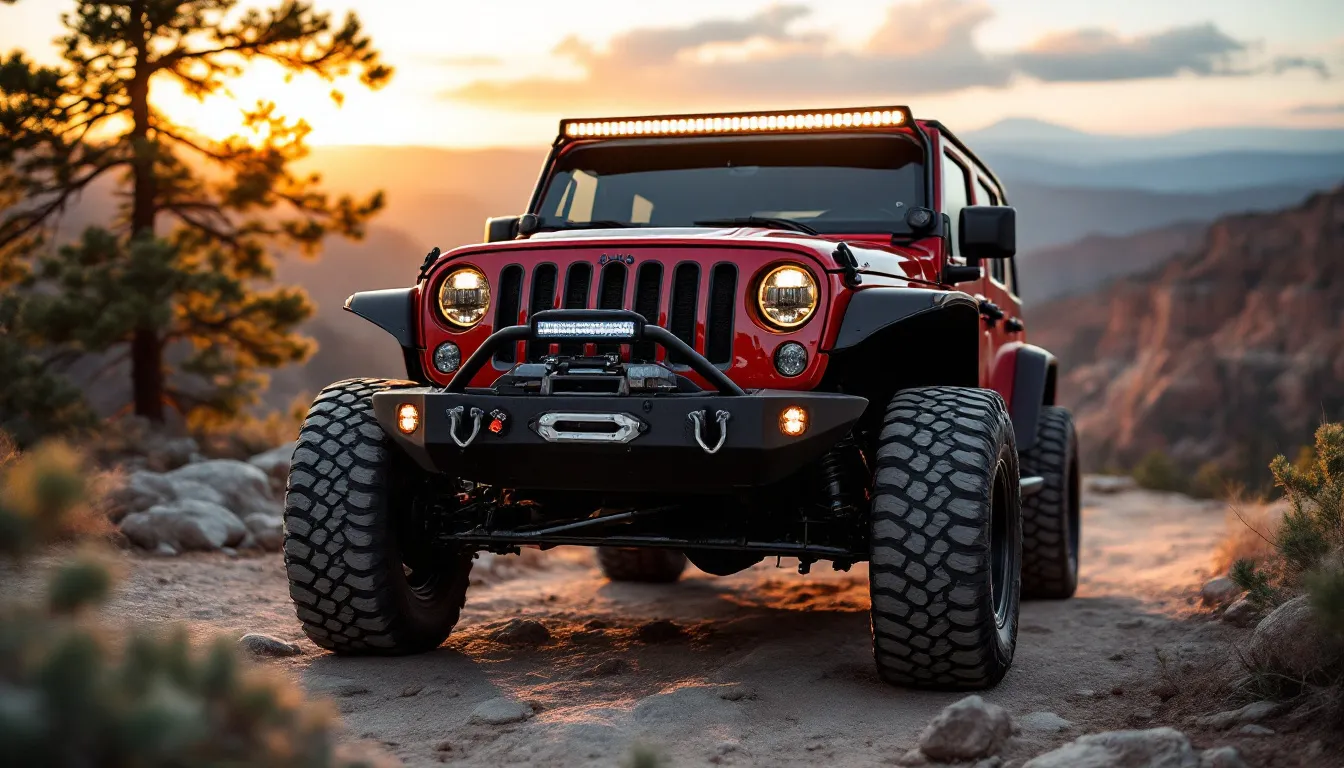
The best grill inserts for Jeep JK include mesh designs for maximum airflow, angry eyes styles for aggressive looks, and custom patterns for personalized aesthetics—with critical fitment differences between 2007-2010 and 2011-2018 model years. A grille insert is one of the most affordable ways to transform your Wrangler’s front end, but choosing the wrong style or ignoring year-specific compatibility can lead to fitment headaches and wasted money.
I’ve spent considerable time evaluating grille inserts not by reading manufacturer marketing materials, but by diving into what real JK owners experience after installation. When I research products for this site, I prioritize community feedback from forums, trail reports, and long-term durability accounts over spec sheets. That philosophy has helped me identify which grille inserts actually hold up to mud, rocks, and years of UV exposure—and which ones crack or fade after a single season.
We may earn a commission when you purchase through links on our site. This helps us continue providing expert Jeep JK content at no cost to you.
Whether you’re after the classic mesh look, aggressive angry eyes styling, or a completely custom design, understanding material differences and compatibility challenges will save you from common buyer mistakes. Let’s break down your options and help you choose a grille insert that matches both your aesthetic vision and how you actually use your JK.
Best Mesh Grille Inserts for Jeep JK: Classic Look with Maximum Airflow
Mesh grille inserts deliver the classic Jeep aesthetic while providing superior airflow compared to solid designs. Stainless steel mesh offers the best durability and corrosion resistance, making it ideal for JKs that see serious trail exposure. Aluminum mesh provides excellent strength-to-weight ratio and won’t rust, though it can oxidize over time if not properly finished. ABS plastic mesh represents the budget option—lighter and easier to install, but more prone to UV damage and cracking after extended exposure to harsh conditions.
The functional advantage of mesh becomes particularly important if you’ve lifted your JK and installed larger tires. Bigger tires increase rolling resistance and force your engine to work harder, generating more heat. Mesh grilles allow maximum airflow to your radiator compared to solid designs, helping maintain optimal cooling when you’re crawling over rocks or idling through deep sand. This isn’t just theoretical—many owners of built JKs report noticeably better temperature management after switching from restrictive solid grilles to open mesh designs.
Material quality varies dramatically across the mesh grille market. Premium stainless steel options use marine-grade 304 or 316 alloy that resists rust even after repeated water crossings. Mid-range aluminum mesh typically features powder-coated finishes that hold up well for 5-7 years before showing wear. Budget ABS plastic mesh works fine for pavement-only JKs but tends to fade, crack, and become brittle after 2-3 years of UV exposure and trail debris impacts.
Fitment represents the biggest compatibility challenge with mesh grilles. The 2007-2010 vs 2011-2018 front-end differences include changes to grille mounting points and headlight surrounds that affect how inserts attach. Early JKs use a different clip system that often requires more careful installation to achieve clean alignment. Later models simplified the mounting process but introduced their own quirks with LED headlight compatibility.
Installation difficulty depends heavily on the specific mesh design and your model year. Most mesh inserts attach using factory mounting points and clips, requiring no drilling or cutting. However, achieving perfectly aligned gaps around headlights and turn signals takes patience—especially on 2007-2012 models where age has made plastic clips brittle. Expect 20-40 minutes for your first mesh grille installation once you understand the clip locations and sequence.
The mesh pattern itself affects both aesthetics and function. Tighter mesh patterns (smaller openings) offer more protection from large rocks and trail debris hitting your radiator but slightly reduce airflow. Wider mesh patterns maximize cooling but offer less physical protection. For aggressive trail use, many owners compromise with medium-density mesh that balances both concerns while maintaining the clean, classic appearance that makes mesh grilles so popular.
The Hooke Road Matte Black Grill Inserts represent a popular mid-range mesh option that delivers quality construction and reliable fitment across JK model years. These mesh inserts maintain the classic look while providing excellent airflow for cooling.
Hooke Road Matte Black Grill Inserts Front Mesh Grille Cover for 2007-2015 Jeep JK Wrangler & Unlimi
- Material: Durable ABS plastic with UV protection
- Fitment: 2007-2015 JK and JKU models
- Installation: Clip-on, no drilling required
- Finish: Matte black powder coat
Pros: Classic mesh look, affordable entry point, excellent reviews for fitment consistency
Cons: ABS plastic less durable than metal options, may fade after 4-5 years of heavy sun exposure
$16-25
Check Price on Amazon →Angry Eyes Grille Inserts: Aggressive Styling for Your Wrangler
Angry eyes grille inserts create an aggressive, intimidating front-end appearance by reshaping the headlight surround area into an angular, narrowed design. This polarizing aesthetic dominates the JK aftermarket—you either love the mean look or prefer keeping your Wrangler’s friendly factory expression. I’ve seen builds transform from approachable to genuinely threatening with nothing more than angry eyes and a custom bumper. If the aggressive look matches your build vision, here’s what to consider beyond just the appearance.
The trade-offs start with reduced headlight area. Angry eyes designs by definition cover portions of your factory headlight openings, which can decrease visible light output—particularly problematic if you’re running stock halogen headlights that already struggle with off-road illumination. Some designs reduce effective headlight area by 15-20%, noticeably affecting your nighttime visibility on unlit trails and rural roads. This isn’t a dealbreaker if you’ve upgraded to quality LED headlights, but stock halogen setups deserve serious consideration before committing to angry eyes styling.
Airflow restriction represents another functional compromise. Most angry eyes inserts use more solid material and smaller vent openings compared to traditional mesh designs. This reduces cooling airflow to your radiator, which matters more if you’ve increased engine load through larger tires, regearing, or forced induction. Many owners report no cooling issues with angry eyes grilles on stock or mildly modified JKs, but heavily built rigs with 35”+tires may notice higher operating temperatures during demanding off-road situations.
Compatibility challenges with aftermarket LED headlights catch many buyers off guard. If you’ve already upgraded to 7” LED headlights or plan to in the future, verify that your chosen angry eyes design provides adequate clearance. Some inserts interfere with popular LED headlight housings, forcing you to either modify the grille, choose different headlights, or return the grille entirely. This represents the #1 compatibility complaint in the angry eyes category.
Material quality separates premium from budget angry eyes grilles. High-quality options use thick ABS plastic with UV stabilizers and integrated structural ribs that resist flexing and cracking. Budget versions often use thinner plastic that warps in summer heat, cracks from winter cold, and fades from UV exposure within 18-24 months. The price difference often reflects long-term durability rather than just brand markup—which mirrors what I learned from going through three sets of seat covers before finding ones that actually lasted.
Color matching presents another consideration. Most angry eyes inserts come in textured black, which works visually with most JK builds. However, if your JK features body-colored fenders or you want a completely color-matched front end, expect additional cost for painting and finishing. Some manufacturers offer pre-painted options for popular JK colors, but custom color matching typically runs $100-200 at a quality body shop.
Installation difficulty for angry eyes designs exceeds standard mesh inserts. The more complex shape and additional trim pieces require more careful alignment and often more mounting points. Budget 30-60 minutes for installation, with most of that time spent on achieving even gaps and proper headlight alignment. Rushing the install results in crooked grilles and uneven panel gaps that immediately reveal themselves in photos and detract from the aggressive look you’re trying to achieve.
State inspection requirements deserve mention for angry eyes grilles. A few states have regulations about headlight modification and coverage. While most angry eyes designs comply with basic visibility requirements, verify your state’s specific rules before purchasing if annual safety inspections apply to your JK.
The Clip-on Version Front Grille Mesh Inserts with Angry bird style Headlight Cover delivers the aggressive aesthetic many JK owners seek while maintaining factory clip mounting for straightforward installation.
Clip-on Version Front Grille Mesh Inserts & "Angry bird style" Headlight Cover Fits For 2007-2017 Je
- Material: High-impact ABS plastic with reinforced ribs
- Fitment: 2007-2017 JK and JKU models
- Installation: Clip-on mounting, moderate difficulty
- Headlight Coverage: Reduces opening, aggressive appearance
Pros: Authentic angry eyes look, clip-on design, popular with build community
Cons: Reduces headlight visibility, limits airflow, incompatible with some LED headlight designs
$30-40
Check Price on Amazon →Custom Grille Inserts: Unique Patterns & Specialty Designs
Custom grille inserts let you personalize your JK’s front end with unique patterns ranging from American flag designs to geometric shapes to brand-specific logos. This category explodes with creativity—star patterns, tactical designs, military-themed graphics, and even custom laser-cut patterns that match specific build themes. If you’re building a show rig or want your Jeep to stand out at meetups, custom grilles deliver visual impact that standard mesh or angry eyes designs can’t match.
Build theme matching represents the primary advantage of custom grilles. Running a military-inspired build with OD green paint and tactical accessories? A stars-and-stripes grille or tactical pattern insert completes the aesthetic. Building a modern overland rig with sleek black armor and LED lighting? A geometric honeycomb pattern maintains that clean, technical appearance. The grille insert becomes an extension of your overall vision rather than an afterthought.
Quality variation plagues the custom grille market more than standard categories. Established brands with proven manufacturing produce custom designs with the same material quality and fitment precision as their standard offerings. Budget custom grilles—particularly those from unknown sellers on marketplaces—often suffer from poor material selection, imprecise laser cutting that creates rough edges, and weak mounting systems that don’t properly secure to factory clips. The price spread reflects these quality differences, with premium custom designs often costing 2-3x more than basic mesh equivalents.
Premium pricing comes with the territory for truly custom work. Expect $150-400 for quality custom grille inserts with complex patterns or licensed designs. Mass-produced patterns from major manufacturers fall toward the lower end. Fully custom laser-cut designs with your specific graphic or pattern run higher, particularly for one-off work. This price premium makes sense when you consider the additional manufacturing complexity and limited production volumes compared to standard mesh designs.
Material choices in custom grilles typically include powder-coated steel, aluminum, or high-grade ABS plastic. Steel offers maximum durability and allows intricate cutting patterns, but adds weight to your front end and requires quality coating to prevent rust. Aluminum provides excellent strength without the weight penalty and won’t rust, though the bare metal finish shows scratches more readily than powder coating. ABS plastic works well for less complex patterns but struggles with fine detail that metal cutting can achieve.
Choose designs that align with how you plan to use your Jeep. Intricate patterns with thin connecting elements look amazing at shows but may not survive repeated trail exposure to rocks and debris. Simpler, more robust patterns better suit hardcore trail rigs where durability matters more than maximum visual complexity. Consider whether your JK spends more time turning heads at meets or conquering obstacles—that should guide your pattern complexity decision.
The different JK trim levels sometimes influence grille choice beyond pure personal preference. A fully loaded Rubicon with aggressive armor might suit tactical or military-inspired custom patterns. A Sahara daily driver might look better with cleaner geometric designs that complement its more refined appearance. There’s no hard rule here, but considering how the grille complements your specific trim’s character helps create a cohesive overall look.
Installation for custom grilles follows similar processes to standard inserts—factory mounting points, clips, and no drilling required for most designs. However, the more complex the pattern, the more critical proper alignment becomes. Geometric patterns with precise lines will show even slight misalignment, while organic patterns like flames or irregular designs hide minor installation imperfections. Plan for 30-45 minutes of careful fitting and adjustment to get custom designs looking properly centered and professionally installed.
Front Grill Mesh Inserts Clip-in Grille Guard Glossy Black Fits For Jeep 2007-2015 Wrangler JK JKU S
- Material: Premium ABS plastic with gloss finish
- Fitment: 2007-2015 JK and JKU models
- Installation: Clip-in design, straightforward
- Pattern: Classic geometric mesh
Pros: Clean aesthetic, premium gloss finish, solid fitment
Cons: Gloss finish shows fingerprints and dust, not suitable for heavy trail use
$25-35
Check Price on Amazon →For those seeking premium materials, custom ABS plastic grille inserts offer excellent durability and pattern complexity at mid-range pricing, making them ideal for show builds that demand visual impact without breaking the budget.
Chrome JK Grill Inserts Front Grille Mesh no Mesh Cover Guard for Jeep Wrangler JK 2007-2017 Clip-on
- Material: Polished stainless steel mesh
- Fitment: 2007-2017 JK and JKU models
- Installation: Clip-on, premium feel
- Finish: Chrome-plated with UV protection
Pros: Maximum durability (10+ years), stunning polished appearance, corrosion resistant
Cons: Higher cost, requires occasional polishing to maintain shine, heavier than plastic alternatives
$60-90
Check Price on Amazon →How to Install JK Grille Inserts: What to Expect
Installing a grille insert ranks among the easier exterior modifications you can tackle in your driveway. Most designs require basic hand tools (flathead screwdriver, panel removal tool) and take 15-45 minutes depending on your model year and the insert complexity. No drilling, cutting, or permanent modifications needed for the vast majority of inserts—everything mounts using factory clips and mounting points.
Here’s the basic installation process:
-
Remove the factory grille: Pop the hood and locate the plastic retaining clips around the grille perimeter—typically 8-12 clips depending on model year. Use a panel removal tool or wrapped flathead screwdriver to carefully release each clip. Early JKs (2007-2012) often have brittle clips that snap if you use too much force, so work slowly.
-
Clean the mounting surface: Remove any dirt, mud, or debris from the factory mounting points. This ensures your new insert seats properly and helps prevent future rattles from contamination between surfaces.
-
Test-fit the insert: Before committing to full installation, test-fit the new grille insert to identify any fitment issues. Check gaps around headlights, turn signals, and the grille perimeter. Some inserts require minor trimming on 2011-2018 models due to slight fascia differences—better to discover this before you’ve removed all factory clips.
-
Align and secure the insert: Starting from the center and working outward, align the insert’s mounting holes with factory clip locations. Press firmly to engage clips—you should hear audible clicks as each secures. Double-check alignment between each clip to prevent installing the insert crooked.
-
Verify all mounting points: Walk around the front end and tug gently on all edges to confirm every clip has engaged. Loose sections will vibrate and eventually crack from highway wind pressure and trail vibration.
-
Final inspection: Close the hood and inspect gaps from multiple angles. Check for even spacing around headlights and proper seating against the bumper. If anything looks off, it’s easier to remove and realign now than after your first trail run exposes poor installation.
On 2007-2012 JKs, expect at least 2-3 brittle factory clips to snap during removal. Order a $10 replacement clip set before starting so you’re not stuck with a loose grille waiting for parts. This is the #1 installation complaint—those early clips become incredibly fragile after 10+ years of UV exposure and temperature cycling. Same lesson I learned the hard way with my seat cover installation: prep work and knowing your weak points prevents frustrating delays.
Time estimates vary by experience and model year. First-time installers on 2011-2018 JKs typically finish in 25-35 minutes. Early JKs with stubborn brittle clips can push 45-60 minutes if you’re being careful not to break mounting points. Second installations go much faster—15-20 minutes once you know clip locations and the proper release technique.
Common installation mistakes include: forcing brittle clips instead of carefully releasing them, failing to clean mounting surfaces leading to gaps and rattles, not test-fitting before final installation, and over-tightening clips which can crack the insert mounting tabs. Take your time, follow the sequence, and you’ll achieve professional-looking results without professional help.
Buying Guide: Choosing the Right Grille Insert for Your JK
Model year compatibility stands as the most critical buying consideration for JK grille inserts. The 2011 JK refresh changes included front fascia modifications that affect grille insert fitment. Products listed as “2007-2018 JK compatible” often fit properly, but some manufacturers produce year-specific versions to accommodate these differences. Always verify the specific year range listed for your chosen insert—buying a 2007-2010 design for your 2015 JK guarantees fitment headaches and likely a return.
Material durability determines how long your grille insert maintains its appearance and structural integrity. Stainless steel mesh offers the longest lifespan—expect 10+ years even with serious trail exposure, water crossings, and UV beating. Aluminum runs 7-10 years before showing wear, though quality powder coating extends this considerably. ABS plastic typically delivers 3-5 years of good appearance before UV fading, minor cracking, and brittleness become noticeable. Budget an extra $50-100 for premium materials if you plan to keep your JK long-term—the durability difference pays off.
Airflow vs aesthetics requires honest assessment of your priorities and use case. Mesh designs maximize cooling airflow—critical for lifted JKs with larger tires, heavy armor, or frequent slow-speed rock crawling that reduces natural cooling. Angry eyes and solid custom designs sacrifice some airflow for aggressive styling—acceptable for stock or lightly modified JKs but potentially problematic for built rigs that generate more engine heat. Consider your actual usage: if you spend more time on highways than trails, aesthetics can take priority without consequence.
Mod compatibility extends beyond just headlights to include winches, auxiliary lighting, and front-end armor. If you’ve installed or plan to install a winch, verify that your grille insert doesn’t interfere with the winch fairlead or rope/cable. Some angry eyes designs limit winch compatibility due to reduced grille opening size. Aftermarket LED headlights represent another compatibility concern—particularly 7” high-output units with larger heat sinks that may conflict with grille insert mounting points or coverage areas.
Budget expectations help calibrate realistic options. Basic mesh inserts start around $60-80 from budget manufacturers, though quality and fitment vary wildly in this range. Mid-range mesh and angry eyes designs from established brands run $120-200 and deliver significantly better fitment, durability, and finish quality. Premium custom designs and high-end stainless steel mesh push $250-400 but justify the cost through superior materials and precise manufacturing. Remember that cheap grilles often cost twice—initial purchase plus replacement after premature failure.
The 2011 fascia change specifically affects how grille inserts mount and align around headlights. Early JKs (2007-2010) use a different headlight surround shape and mounting clip arrangement. Late JKs (2011-2018) simplified some mounting points but introduced tighter tolerances around headlights that some inserts don’t accommodate. This isn’t universally problematic, but it’s common enough that verifying specific compatibility for your year range prevents the frustration of receiving an insert that almost-but-not-quite fits properly.
Finish options influence both appearance and maintenance requirements. Textured black powder coating hides minor scratches and requires minimal maintenance—just occasional washing. Polished finishes (chrome, polished aluminum) look striking when clean but demand regular polishing to maintain that appearance after trail exposure. Painted finishes offer color-matching possibilities but require more careful handling during installation and more frequent touch-ups after rock chips and trail damage.
Comparison Table: Mesh vs Angry Eyes vs Custom Grille Inserts
| Feature | Mesh Grilles | Angry Eyes | Custom Designs |
|---|---|---|---|
| Cooling Airflow | Excellent | Reduced | Varies |
| Aesthetic Impact | Classic | Aggressive | Unique/Custom |
| Headlight Compatibility | Excellent | Challenging | Usually Good |
| Installation Difficulty | Easy (15-25 min) | Moderate (30-45 min) | Moderate (30-45 min) |
| Material Options | Steel, aluminum, plastic | Primarily plastic | Steel, aluminum, plastic |
| Durability (years) | 7-10+ | 3-5 | 5-10+ |
| Price Range | $15-90 | $30-80 | $70-400 |
| Best For | Trail rigs, daily drivers | Show builds, aggressive styling | Personalized/themed builds |
| Maintenance | Minimal | Minimal | Depends on finish |
| LED Headlight Ready | Yes | Sometimes | Usually |
Frequently Asked Questions About JK Grille Inserts
Will a grille insert fit both 2-door and 4-door JK models?
Yes, grille inserts fit both 2-door JK and 4-door JKU models identically—the front fascia and grille area are the same between door configurations. However, always verify the model year range since 2007-2010 and 2011-2018 JKs have different fitment requirements regardless of door count.
Do mesh grilles reduce engine cooling?
No, quality mesh grilles actually improve cooling compared to stock solid grilles by maximizing airflow to your radiator. The open mesh design allows more air to reach cooling components, which particularly benefits lifted JKs with larger tires that generate more engine heat during trail use. This is one of the few modifications that improves both function and appearance.
Can I install a grille insert with LED headlights?
Most grille inserts work fine with LED headlights, but angry eyes designs can interfere with some 7” LED units due to reduced headlight opening size. Always verify compatibility between your specific grille insert and LED headlight model before purchasing—particularly if your LEDs have larger heat sinks or non-standard mounting. A quick compatibility check saves you a frustrating return process.
How long does installation take?
Expect 15-45 minutes for grille insert installation depending on your model year and experience level. First-time installers on 2011-2018 JKs typically finish in 25-35 minutes. Early JKs (2007-2012) may take longer due to brittle factory clips that require careful removal. Don’t rush—sloppy installation shows immediately once you drive it.
Do I need to modify my JK to install a grille insert?
No modifications needed for the vast majority of grille inserts—they mount using factory clips and mounting points with no drilling or cutting required. Some custom designs may require minor trimming around headlights on specific model years, but this represents the exception rather than the rule. This is part of what makes grille inserts such popular first mods.
Do grille inserts affect headlight visibility or state inspection?
Mesh grilles don’t affect headlight output or visibility. Angry eyes designs reduce effective headlight area by 15-20%, which can decrease light output—particularly problematic with stock halogen headlights. Most states accept grille inserts during safety inspections, but verify local headlight modification regulations if concerned about compliance.
How long do aftermarket grille inserts last?
Longevity depends heavily on material quality and exposure. Stainless steel mesh typically lasts 10+ years even with aggressive trail use. Quality aluminum runs 7-10 years before showing wear. Budget ABS plastic grilles often fade, crack, or become brittle after 3-5 years of UV exposure and trail debris impacts. The buy-once-cry-once principle applies here—premium materials cost more upfront but outlast cheaper options by years.
Final Thoughts on JK Grille Inserts
Choosing the best grille insert for your Jeep JK comes down to balancing aesthetics, functionality, and model year compatibility. Mesh designs deliver maximum cooling and classic Jeep styling. Angry eyes inserts create aggressive looks but sacrifice some airflow and headlight area. Custom patterns let you personalize your build with unique designs that match your overall theme.
The critical reminder: verify that your chosen grille insert specifically lists compatibility with your model year. The 2011 fascia changes create enough fitment differences that “universal JK” listings often disappoint buyers. Taking five minutes to confirm year-specific compatibility prevents hours of frustration and potential return shipping costs.
Material quality matters more than initial price when you consider long-term value. Premium stainless steel and quality aluminum inserts still look great after years of trail exposure, while budget plastic options often require replacement after a few seasons. Choose based on how long you plan to keep your JK and how you actually use it—serious trail rigs benefit from durability, show rigs can prioritize aesthetics, daily drivers need balance between both.
For more guidance on getting the most from your Wrangler, check out our complete JK buyer’s guide covering everything from purchasing to modifications. Understanding common JK problems by year also helps you make informed decisions about which modifications add value versus which ones address potential weak points.
Your JK’s grille represents one of its most visible features and one of the easiest to upgrade. Whether you choose mesh, angry eyes, or custom styling, the right grille insert transforms your Wrangler’s personality without the complexity or cost of major modifications.
Get the Free JK Build Planner
Complete PDF with mod checklists, gear ratios, tire sizing charts, and budget worksheets. Everything you need to plan your JK build.
No spam. Unsubscribe anytime. By subscribing, you agree to our Privacy Policy.
Jeep JK Guide
We're JK owners who've been building, breaking, and fixing Wranglers for years. Everything here is tested on our own rigs - no sponsored fluff, just honest recommendations.
Learn more about us →Get the JK Build Planner
Free PDF with complete build checklists, gear ratios, and tire fitment guides.
By subscribing, you agree to our Privacy Policy.
Related Articles
Best Snorkel for Jeep JK: Water Fording & Engine Protection Options
Discover the best snorkel for Jeep JK with our expert comparison of top kits. Learn about water fording depth, dust protection, installation, and whether you actually need one.
Best Bumper for Jeep JK: Front, Rear & Complete Armor Systems
Expert guide to choosing front, rear, and complete bumper systems for your 2007-2018 Jeep JK Wrangler. Compare steel vs aluminum, stubby vs full-width options, and build the perfect setup.
Best Hi-Lift Jack Mount for Jeep JK: Hood, Bumper & Tailgate Mounting Options
Compare hood hinge, bumper, and tailgate hi-lift jack mounts for 2007-2018 Jeep JK Wranglers. Real-world mounting advice for quick trail access and secure transport.