Best 33 Inch Tires for Jeep JK: Top 8 Options for Stock and Lifted Wranglers
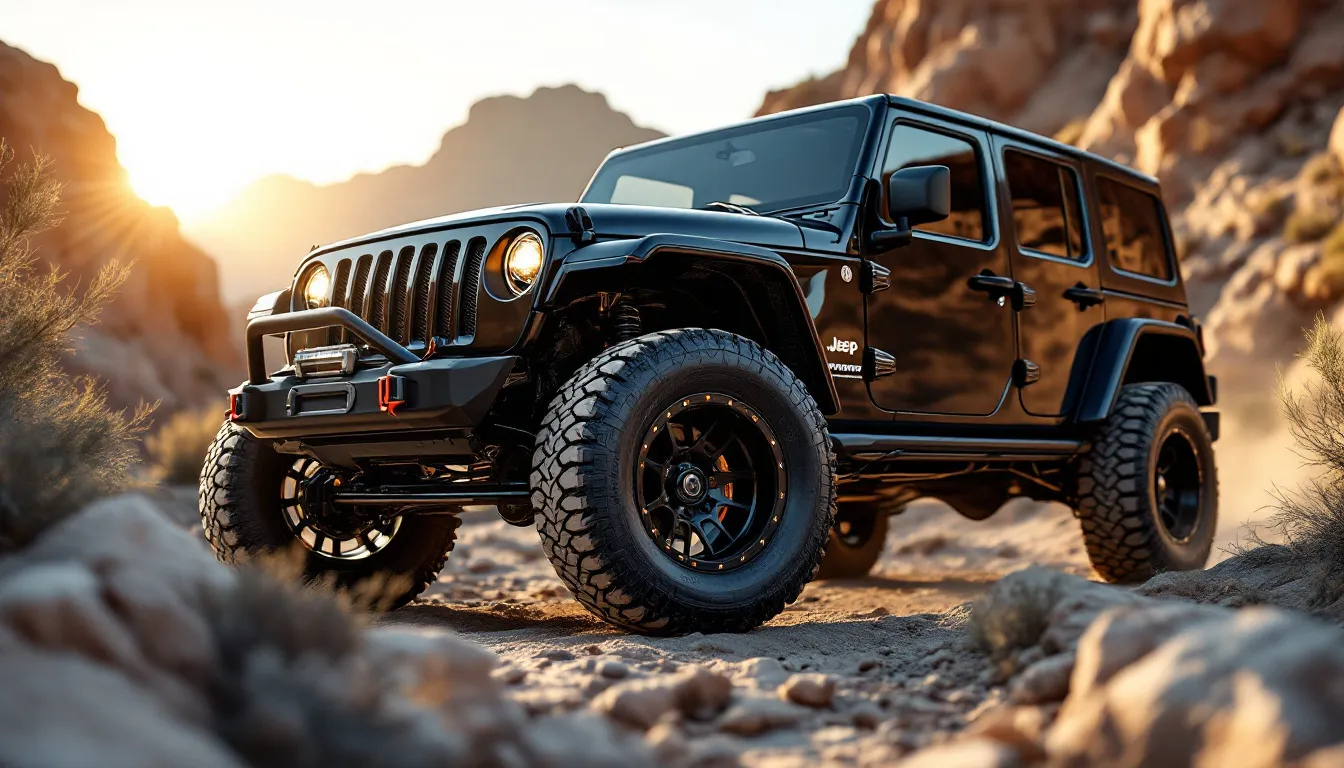
Best 33 Inch Tires for Jeep JK: Top 8 Options for Stock and Lifted Wranglers
Yes, 33-inch tires will fit on most Jeep JK Wranglers with minimal modifications. Rubicon models can typically run 33s with just leveling, while Sport and Sahara models need a 2.5-inch lift kit to avoid rubbing. The real question isn’t whether they’ll fit—it’s which tire matches your driving style.
I’ve spent years building and upgrading JKs, and I can tell you from experience: the tire decision matters more than people realize. If you daily drive with occasional weekend trails, you’ll want a completely different tire than someone who rock crawls every month. This guide pulls from real Jeep owner experiences across forums, build threads, and actual trail reports—not manufacturer marketing.
Affiliate Disclosure: This article contains affiliate links to products on Amazon. We earn a small commission when you purchase through these links at no additional cost to you. These commissions help us maintain this site and continue providing detailed, unbiased product research.
The decision tree is straightforward: figure out your current suspension setup, nail down what you actually do with your JK (daily driving, weekend trails, or serious rock crawling), then pick the tire that makes sense for that reality. Let’s walk through exactly what you need to know.
For the complete technical breakdown of JK wheel and tire combinations, including offset calculations and backspacing requirements, check our complete JK wheels and tires guide.
Will 33-Inch Tires Fit Your JK? Stock vs Lifted Requirements
Stock Rubicon owners have it easiest. The factory suspension on 2007-2018 Rubicon models gives you enough clearance to run 33-inch tires with maybe some trimming of the front fender liner. You’ll catch a little rub at full lock during tight turns, but nothing that affects how your JK drives day to day.
Sport and Sahara models need a 2.5-inch lift minimum. The lower ride height on non-Rubicon JKs creates contact points at the front control arms and rear fender wells. A quality 2.5-inch lift kit eliminates these clearance issues completely.

Beyond lift height, wheel backspacing determines whether you’ll rub or not. Factory wheels have 6.25 inches of backspacing, which pushes the tire too far inward. For 33-inch tires on a 2.5-inch lift, target wheels with 4.5 inches of backspacing maximum. This moves the tire outward, away from control arms and fender wells.
Two-door JKs handle 33s slightly better than four-door Unlimited models due to the shorter wheelbase creating less flex-related rubbing. That said, both body styles accommodate 33-inch tires equally well once proper lift and backspacing are addressed.
Keeping factory wheels temporarily? Wheel spacers work as a budget fix. They reduce effective backspacing by pushing the wheel outward. Just make sure you’re using hub-centric spacers rated for off-road use—this isn’t the place to cut corners.
For the technical details on how backspacing affects tire clearance, our guide on wheel backspacing and offset explained covers the math and measurements. Understanding the differences between Rubicon, Sport, and Sahara trims helps you identify exactly which modifications your specific JK needs.
Top 8 Best 33-Inch Tires for Jeep JK: Quick Comparison
Here’s how the top 33-inch tire options stack up across key performance categories:
| Tire Model | Type | Road Noise | Trail Performance | Price Range |
|---|---|---|---|---|
| ⭐ BFGoodrich KO2 | All-Terrain | Low | Excellent | $280-320 |
| Falken Wildpeak AT3W | All-Terrain | Very Low | Very Good | $220-260 |
| ⭐ Goodyear Wrangler Duratrac RT | Rugged-Terrain | Moderate | Excellent | $270-310 |
| Cooper Discoverer STT Pro | Mud-Terrain | High | Outstanding | $290-340 |
| Nitto Ridge Grappler | Hybrid AT/MT | Low-Moderate | Excellent | $300-350 |
| General Grabber X3 | Mud-Terrain | High | Outstanding | $275-320 |
| Yokohama Geolandar X-AT | Extreme AT | Moderate | Excellent | $260-300 |
| Atturo Trail Blade MTS | Mud-Terrain | High | Very Good | $240-280 |
The top-rated options split between all-terrain designs for daily drivers and mud-terrains for serious trail work. Your actual mileage breakdown and noise tolerance should guide this decision more than brand loyalty.
Detailed Reviews: Best 33-Inch Tires for Every JK Use Case
BFGoodrich All-Terrain T/A KO2: Best Overall for Daily Driving and Weekend Trails
The KO2 dominates JK builds for a reason. It balances highway manners with legitimate trail capability better than anything else out there. BFGoodrich’s CoreGard technology places thicker rubber on the sidewall and shoulder—exactly where Jeep owners encounter sharp rocks and trail debris.
The three-ply sidewall construction provides exceptional puncture resistance. Load Range C versions handle typical JK weights without the harsh, bouncy ride of E-rated tires. Tread depth measures 15/32 inch when new, and owners consistently report 50,000+ miles of wear in real-world JK applications.
On pavement, the KO2 runs quieter than most aggressive all-terrains thanks to computer-optimized tread block spacing. Highway drone stays minimal until around 40,000 miles. Wet traction exceeds what you’d expect from an aggressive tread pattern—those sipes throughout the contact patch maintain grip in heavy rain.
Trail performance separates the KO2 from softer all-terrains. The interlocking tread pattern clears mud effectively for an AT design. Sidewall lugs provide additional traction when you air down to 15 PSI for rock crawling. Snow traction earns the Three-Peak Mountain Snowflake rating, making these a true four-season option.
Pros:
- Exceptional sidewall durability prevents trail damage
- Quiet on highway compared to mud-terrains
- Legitimate snow and ice traction
- 50,000+ mile treadwear in typical use
Cons:
- Premium pricing at $280-320 per tire
- Less aggressive self-cleaning than dedicated mud-terrains
- Heavier than some competitors affects acceleration slightly
Final verdict: If you drive your JK daily but hit trails most weekends, the KO2 delivers the best compromise between comfort and capability. You won’t second-guess this choice.
Falken Wildpeak AT3W: Best Value All-Terrain for Mixed Use
The AT3W undercuts premium competitors by $60+ per tire while matching their performance. Falken engineered this tire specifically for trucks and SUVs that see actual off-road use, not just weekend mall runs.
Construction features heat diffuser technology in the lower sidewall, which protects internal components during sustained highway driving with heavy loads. The three-ply sidewall includes high-strength steel belts and two cap plies for impact resistance approaching mud-terrain durability.
Tread depth starts at 14.5/32 inch with aggressive shoulder blocks that bite in loose terrain. Those offset shoulder blocks also reduce road noise substantially—many JK owners report the AT3W running quieter than their original Highway Terrains.
Deep sipes throughout the tread provide exceptional wet and winter performance. This tire carries the Three-Peak Mountain Snowflake rating and genuinely performs in snow. Owners in northern climates report confident winter driving without dedicated snow tires.
Trail capability impresses for the price point. The aggressive upper sidewall and deep shoulder voids provide excellent traction in mud and loose rock. While it won’t match true mud-terrains in thick clay, the AT3W clears moderate trails without drama.
Pros:
- Outstanding value at $220-260 per tire
- Exceptionally quiet for aggressive tread
- Excellent wet and snow traction
- 55,000+ mile treadwear common
Cons:
- Sidewall styling less aggressive than premium options
- Limited availability in some size variations
- Slightly softer compound wears faster on pavement-only use
Final verdict: Budget-conscious JK owners who refuse to compromise capability should start here. The AT3W delivers 90% of premium tire performance at 70% of the cost.
Goodyear Wrangler Duratrac RT: Best Rugged-Terrain for Extreme Versatility
Goodyear created the Duratrac RT to split the difference between all-terrain comfort and mud-terrain aggression. The “RT” stands for Rugged-Terrain—a hybrid category that delivers more bite than traditional ATs without the harsh ride of MTs.
The tread pattern features deep, aggressive lugs with wide voids that self-clean effectively in mud while maintaining enough contact patch for stable highway driving. Shoulder blocks extend high on the sidewall, providing protection and additional traction when aired down.
TractiveGroove technology places deep channels in the tread that enhance traction in deep snow and mud. Combined with hundreds of biting edges from the aggressive siping pattern, the Duratrac RT excels in adverse conditions that shut down lesser tires.
Load Range E versions handle the weight of heavily built JKs with roof racks, bumpers, and camping gear. The stiffer sidewall provides excellent stability during highway towing, though it creates a firmer ride on rough pavement compared to Load Range C alternatives.
Road noise falls between premium all-terrains and traditional mud-terrains. Expect noticeable hum at highway speeds, but nothing that requires raising your radio volume. The aggressive appearance matches the legitimate capability—this tire looks as tough as it performs.
Pros:
- Exceptional mud and snow performance
- Strong sidewall protects against trail damage
- Available in Load Range E for heavy builds
- True four-season capability
Cons:
- Load Range E creates firm ride quality
- Moderate highway noise
- Slightly reduced treadwear vs premium ATs
Final verdict: JK owners who split time evenly between pavement and serious trails will appreciate the Duratrac RT’s refusal to compromise either environment.
Cooper Discoverer STT Pro: Best Mud-Terrain for Rock Crawling
The STT Pro targets serious off-road enthusiasts who accept highway compromises for maximum trail capability. Cooper’s Armor-Tek3 construction uses three layers of protection: cut-and-chip resistant rubber compound, massive shoulder scoops, and extended sidewall rubber that gets in the way of sharp edges.
Tread blocks measure significantly larger than all-terrain designs, with deep voids that eject mud, sand, and loose rock aggressively. The open tread pattern maintains traction even when caked with clay—a critical feature on muddy trails where lesser tires pack solid and lose all grip.
Sidewall lugs extend nearly to the bead, creating a near-continuous traction surface when aired down to 10-12 PSI for technical rock crawling. The reinforced sidewall handles pinching between rocks without puncturing, something that commonly fails on lighter tires.
On highway, expect noticeable road noise that increases with tire wear. The large tread blocks create rhythmic hum that becomes the soundtrack of STT Pro ownership. Wet pavement traction remains acceptable despite the open tread, thanks to extensive siping throughout the contact patch.
Winter performance surprises many owners. While it doesn’t carry the Three-Peak rating, the STT Pro delivers solid snow traction due to aggressive biting edges and deep tread depth. Ice performance stays limited like all mud-terrains.
Pros:
- Outstanding rock crawling traction
- Exceptional mud clearing ability
- Extremely durable sidewall construction
- Maintains traction when heavily worn
Cons:
- Significant highway noise
- Reduced treadwear (30,000-40,000 miles typical)
- Heavier than ATs affects fuel economy
- Firm ride quality on pavement
Final verdict: If your JK spends more time on trails than pavement and you prioritize maximum traction over comfort, the STT Pro won’t disappoint.
Nitto Ridge Grappler: Best Hybrid for Balanced Performance
Nitto engineered the Ridge Grappler to eliminate the traditional choice between all-terrain and mud-terrain tires. The hybrid tread design features aggressive shoulder lugs like a mud-terrain, while the center tread maintains enough contact for quiet highway driving.
Staggered shoulder blocks with deep scoops provide mud evacuation comparable to dedicated MTs. The reinforced shoulder groove protects against sidewall cuts during rock crawling. Yet the variable pitch tread blocks reduce road noise to levels approaching premium all-terrains.
Dual sidewall designs let you choose your aesthetic—one side features bold raised letters spelling “Ridge Grappler,” while the reverse shows a sleeker blackwall design. Mounting the tire with your preferred side outward provides subtle customization.
The Ridge Grappler’s stone ejector ribs prevent rocks from wedging into tread grooves—a common problem that causes irregular wear and road noise on aggressive tires. Combined with deep siping throughout the contact patch, wet traction remains confident despite the open tread pattern.
Load Range E construction handles heavy JK builds without sidewall flex during cornering. The tradeoff comes in ride quality—expect a firmer, more controlled feel that transmits pavement imperfections directly to the cabin.
Pros:
- True hybrid capability bridges AT and MT categories
- Quieter than traditional mud-terrains
- Excellent sidewall protection
- Dual sidewall design options
Cons:
- Premium pricing at $300-350 per tire
- Load Range E creates firm ride
- Treadwear limited to 40,000-45,000 miles
- Heavier weight impacts acceleration
Final verdict: JK owners who refuse to compromise between daily drivability and serious trail capability should accept the Ridge Grappler’s premium pricing for its versatility.
General Grabber X3: Best Budget Mud-Terrain for Trail Focused Builds
The Grabber X3 delivers aggressive mud-terrain performance at pricing that undercuts premium competitors significantly. General designed this tire for extreme off-road use, accepting highway compromises that serious enthusiasts consider acceptable.
Red chili compound technology maintains flexibility in cold temperatures while resisting chunking and tearing on hot rocks. The tread pattern features massive blocks with deep voids that clear mud and loose terrain aggressively. Shoulder lugs extend high on the sidewall, providing protection and additional biting edges.
Linear transverse flex zones allow the tread to conform to uneven terrain when aired down, maximizing contact patch on technical trails. This flexibility also helps prevent tread chunking—the premature loss of tread blocks that plagues some budget mud-terrains.
Highway characteristics match typical mud-terrain expectations. Road noise remains noticeable at all speeds, increasing to drone levels beyond 60 mph. Wet traction stays acceptable for cautious driving, though the wide voids and open pattern don’t match all-terrain confidence in heavy rain.
Treadwear expectations should remain realistic. Most JK owners report 35,000-40,000 miles before replacing X3s, with heavily loaded highway use reducing that lifespan. The softer compound prioritizes trail traction over longevity.
Pros:
- Excellent value at $275-320 per tire
- Outstanding mud and loose terrain traction
- Durable sidewall construction
- Red chili compound resists damage
Cons:
- Significant highway noise
- Reduced treadwear vs premium options
- Limited winter/snow performance
- Firm ride quality
Final verdict: Trail-focused JK owners on a budget who accept highway noise for capability should consider the X3’s excellent price-to-performance ratio.
Yokohama Geolandar X-AT: Best Extreme All-Terrain for Aggressive Styling
Yokohama positions the X-AT as an extreme all-terrain that pushes toward mud-terrain aggression while maintaining daily drivability. The tread pattern features large shoulder blocks with aggressive sidewall lugs that create an imposing appearance matching legitimate capability.
Geo-Shield construction combines multiple protective technologies: triple polymer tread compound for cut resistance, high-strength steel belts, and additional sidewall plies in the shoulder region. This layered approach provides durability approaching dedicated mud-terrains.
The X-AT’s five-rib pattern with variable pitch sequences reduces highway noise substantially compared to mud-terrains. Road drone remains noticeable but tolerable for daily driving. The aggressive siping throughout the contact patch maintains wet traction despite the open tread design.
Off-road, the X-AT delivers. Deep shoulder grooves and mud scoops clear loose terrain effectively. The extended shoulder blocks provide additional traction surface when aired down for rock crawling. Many JK owners report the X-AT matching or exceeding the trail performance of lighter mud-terrains.
Load Range E versions handle heavily built JKs without sidewall flex, though the stiffer construction creates a harsher ride on rough pavement. The triple polymer compound resists chunking and irregular wear better than some aggressive competitors.
Pros:
- Aggressive styling with legitimate capability
- Better highway manners than mud-terrains
- Excellent sidewall protection
- Strong wet traction for tread pattern
Cons:
- Premium pricing in some sizes
- Load Range E creates firm ride
- Limited size availability in 33-inch range
- Heavier than traditional all-terrains
Final verdict: JK owners who want maximum visual impact with the daily drivability of an all-terrain will appreciate the X-AT’s balanced approach.
Understanding Mud-Terrain Construction: Learning From Real Experience
I learned about tire construction the hard way. When I picked up my 2014 JKU in Cape Town, it came with worn factory tires. My plan was simple: prepare the Jeep properly for overlanding across Namibia and Botswana. Not a weekend toy build. A serious Africa-capable rig.
That’s when I discovered the education began before the glamorous upgrades. The real work was understanding what makes a tire survive when things go wrong.
Mud-terrain sidewalls feature raised lugs that serve dual purposes: they provide additional traction surface when aired down for rock crawling, and they protect the sidewall from sharp rocks and trail debris that would puncture lighter tires. When I eventually moved from 33-inch all-terrains to 35-inch mud-terrains, I understood exactly why this sidewall protection mattered.
The tread depth determines how effectively a tire clears mud and maintains traction in soft terrain. Blocks measuring 18/32 inch or greater—this depth determines performance more than brand name. The open tread pattern prevents mud packing. Reinforced sidewalls resist punctures on technical trails. Aggressive shoulder blocks bite in loose terrain.
When evaluating any mud-terrain option in the 33-inch range, look for these construction features regardless of brand. The Atturo Trail Blade MTS showcases these principles well:

Atturo Trail Blade MTS M/T Mud Off-Road Light Truck Radial Tire-37X12.50R17LT 37X12.50X17 37X12.50-1
$270.50
Check Price on Amazon →Performance optimization matters beyond tire selection. My experience with 35-inch tires taught me this lesson quickly. When upgrading to larger tires, regearing your differentials maintains proper power delivery and fuel economy. A 4.88 ratio gear kit represents a common choice for JK owners running 33-inch tires with the 3.6L Pentastar engine. This modification restores the factory power-to-weight ratio, preventing lugging during acceleration and reducing transmission strain.
I learned this the expensive way on my first trip north out of Cape Town. Stock 3.21 gears with 35s meant the Pentastar was screaming at highway speed. That’s when I understood regearing wasn’t optional—it was necessary.

Yukon Gear & Axle - Gear & Install Kit for Jeep JK non-Rubicon 4.88 Ratio - includes ring and pinion
$620.00
Check Price on Amazon →For deeper analysis of all-terrain options across multiple brands and price points, our complete all-terrain tire comparison provides detailed testing data. JK owners specifically interested in maximum off-road traction should review our dedicated mud-terrain tire guide for construction comparisons and real-world trail performance.
Buying Guide: How to Choose 33-Inch Tires for Your JK
Tread Pattern: Matching Your Use Case
All-terrain tires prioritize balanced performance. They deliver acceptable highway manners with moderate trail capability, making them ideal for JK owners who daily drive and hit maintained forest roads on weekends. The tread features moderate void spacing and siping for wet traction while maintaining enough open space for light off-road use.
Mud-terrain tires maximize off-road traction. Large tread blocks with deep voids (16/32 inch or greater) clear mud, sand, and loose rock aggressively. The tradeoff comes in highway noise, reduced treadwear, and firmer ride quality. Choose mud-terrains if your JK spends more time on trails than pavement.
Rugged-terrain and hybrid designs split the difference. These emerging categories combine aggressive shoulder blocks and sidewall protection similar to mud-terrains while maintaining enough center tread contact for tolerable highway driving. They represent the best compromise for JKs that see frequent trail use but must remain drivable daily.
Load Rating: Supporting Your Build Weight
Load Range C provides the smoothest ride with three-ply sidewall construction that flexes over pavement irregularities. These tires suit stock or lightly modified JKs without heavy armor or roof racks. Maximum load capacity typically reaches 2,470 lbs per tire at recommended pressure.
Load Range D adds sidewall strength through additional plies without the harshness of E-rated tires. This middle ground works well for moderately built JKs with aftermarket bumpers and sliders but no extreme armor. Expect load capacity around 2,910 lbs per tire.
Load Range E handles heavily built rigs with four-ply sidewalls that support full armor, roof racks, camping gear, and rooftop tents. The firm sidewall construction creates a harsher ride on pavement but provides excellent stability when loaded. Maximum capacity reaches 3,195+ lbs per tire depending on size and manufacturer.
Wheel Fitment: Avoiding Rubbing Issues
Backspacing determines clearance more than lift height. Factory JK wheels feature 6.25 inches of backspacing, pushing the tire inward toward suspension components. For 33-inch tires, reduce backspacing to 4.5 inches maximum to move the tire outward and prevent rubbing.
Offset, measured in millimeters, provides the same information from a different reference point. Factory JK offset measures +44mm. For proper 33-inch tire clearance, target 0mm to +12mm offset when selecting aftermarket wheels.
Wheel spacers offer a budget solution if you’re keeping factory wheels temporarily. 1.5-inch spacers reduce effective backspacing by moving the wheel outward, creating clearance for 33-inch tires on a proper lift. Ensure you’re using hub-centric spacers with proper torque specifications for off-road use.

Orion Motor Tech 5x5 Wheel Spacers Compatible with Jeep Wrangler JK Grand Cherokee Commander, 1.5" W
$102.99
Check Price on Amazon →For comprehensive backspacing calculations and visual fitment guides showing exactly how offset affects tire position, review our detailed backspacing guide.
Budget: Total Cost of Ownership
Initial tire cost represents only part of the investment. A set of four 33-inch tires ranges from $880 (budget all-terrains) to $1,400 (premium mud-terrains). Add mounting, balancing, and disposal fees totaling $120-180 for professional installation.
Treadwear determines long-term value. Budget all-terrains delivering 55,000+ miles cost less per mile than premium mud-terrains lasting 35,000 miles. Calculate cost per mile by dividing total investment by expected mileage to compare true value.
Fuel economy impact affects operating costs. Heavier mud-terrains with aggressive tread patterns reduce highway fuel economy by 1-3 MPG compared to factory tires. Over 50,000 miles, this decrease costs $600-1,200 in additional fuel at current prices.
Regearing expenses matter for performance. If your JK has 3.21 or 3.73 gears, upgrading to 33-inch tires without regearing creates sluggish acceleration and transmission strain. Budget $1,200-1,800 for professional gear installation to 4.56 or 4.88 ratios that restore proper performance.
Installation Tips: What to Expect When Upgrading to 33s
1. Verify your current gear ratio before installation. Open your driver’s door and check the sticker on the door jamb—it lists your differential gear ratios. JKs came factory with 3.21, 3.73, 4.10 (Rubicon), or 4.56 ratios. If you’re running 3.21 or 3.73 gears, seriously consider regearing to 4.56 or 4.88 when installing 33-inch tires. The performance improvement justifies the investment.
2. Plan for minor trimming on 2007-2011 JKs. Earlier model years require trimming the front fender liner to prevent contact during full lock turns. The plastic liner extends slightly further than 2012-2018 models, creating interference with 33-inch tires even on proper lifts. Five minutes with a heat gun and utility knife eliminates the problem permanently.
3. Expect TPMS sensor reprogramming. Your Tire Pressure Monitoring System needs recalibration for the larger tire diameter. Most shops handle this during installation, but verify beforehand to avoid the warning light on your drive home. The recalibration process takes 10-15 minutes and requires a TPMS scan tool.
4. Request alignment immediately after installation. Larger tires change your suspension geometry enough to throw alignment out of specification. Driving on improper alignment wears your new tires prematurely and creates handling issues. Budget $120-150 for a full four-wheel alignment that includes camber, caster, and toe adjustments.
5. Monitor tire pressure weekly for the first month. New tires settle onto the wheel bead during initial driving, potentially losing 2-3 PSI. Check pressure when tires are cold (before driving) and adjust to manufacturer specifications on the sidewall. Proper inflation extends treadwear and maintains handling characteristics.
Professional installation costs $400-600 total when combining mounting, balancing, disposal, TPMS reprogramming, and alignment. DIY installation saves money but requires proper equipment—a quality torque wrench, jack stands rated for your JK’s weight, and ideally a bubble balancer for best results.
Wheeling immediately after installation helps identify issues. Take your JK on a trail within the first 100 miles to verify clearance at full articulation. Better to discover rubbing issues on an easy trail where you can adjust than discovering them mid-way through a difficult obstacle.
Model year differences affect installation requirements. For a complete breakdown of what changed between JK production years and how it affects modifications, check our guide on JK model year differences.
Frequently Asked Questions: 33-Inch Tires for Jeep JK
Can you fit 33-inch tires on a stock Jeep JK?
Rubicon models can fit 33-inch tires with minimal modifications—typically just minor fender liner trimming for full lock clearance. Sport and Sahara models require a 2.5-inch lift kit minimum to prevent rubbing at the control arms and fender wells. Even with a lift, you’ll want aftermarket wheels with 4.5 inches of backspacing or less to move the tire outward away from suspension components.
What size lift do you need for 33-inch tires on a JK?
2.5-inch lifts provide adequate clearance for 33-inch tires on Sport and Sahara models when combined with proper wheel backspacing. Rubicon owners can often run 33s on stock suspension with just leveling, though a 2.5-inch lift improves articulation and eliminates rubbing completely. Avoid budget spacer lifts—invest in a quality coil spring lift that maintains proper suspension geometry and ride quality.
Will 33-inch tires rub on a JK?
Rubbing depends on three factors: lift height, wheel backspacing, and full-lock steering angle. With a proper 2.5-inch lift and wheels featuring 4.5 inches of backspacing or less, 33-inch tires clear without contact during normal driving. You may experience minor rubbing at full lock during tight turns, easily eliminated by limiting your steering angle slightly or trimming the front fender liner. Four-door Unlimited models with longer wheelbases sometimes experience rear fender rubbing during extreme articulation on trails.
Do I need to regear my JK with 33-inch tires?
Regearing becomes necessary if your JK has 3.21 or 3.73 factory gears. The larger 33-inch diameter effectively raises your final drive ratio, creating sluggish acceleration and forcing your transmission to hunt between gears on highways. Upgrading to 4.56 or 4.88 gears restores factory-like performance and prevents transmission strain. Rubicon models with factory 4.10 gears can skip regearing for 33s, though 4.56 gears improve performance noticeably. Budget $1,200-1,800 for professional gear installation in both differentials.
What’s the best 33-inch tire for daily driving a JK?
The BFGoodrich KO2 and Falken Wildpeak AT3W dominate daily driver recommendations. Both deliver quiet highway manners with legitimate trail capability, exceptional wet traction, and true winter performance. The KO2 offers slightly better sidewall durability and brand reputation at a premium price. The AT3W provides 85% of KO2 performance at significantly lower cost. For more specific comparisons across different use cases and budgets, review our analysis of common JK problems to watch for that includes tire-related wear patterns and failure modes.
How much do 33-inch tires affect JK gas mileage?
Expect 1-3 MPG reduction depending on tire weight and tread pattern. Lightweight all-terrains like the Falken AT3W reduce highway fuel economy by approximately 1 MPG through increased rolling resistance. Heavy mud-terrains with aggressive tread patterns drop fuel economy by 2-3 MPG through additional weight and aerodynamic drag. Combined with the rotational mass increase, 33-inch tires reduce your JK’s highway mileage from around 18 MPG to 15-17 MPG in typical driving. Regearing to appropriate ratios recovers some lost efficiency by allowing the engine to operate in its optimal power band.
Final Verdict: Choosing Your JK’s 33-Inch Tires
Match your tire choice to your actual driving patterns, not aspirational trail plans. If you honestly drive 80% pavement and 20% maintained forest roads, the BFGoodrich KO2 or Falken Wildpeak AT3W delivers the capability you’ll actually use without punishing you with road noise and poor fuel economy. Save the aggressive mud-terrains for JKs that see weekly trail time where their compromises become advantages.
Budget for the complete upgrade, not just tires. Quality 33-inch tires cost $1,000-1,400 installed. Add another $300 if you need a 2.5-inch lift kit. Include regearing costs of $1,200-1,800 if you’re running 3.21 or 3.73 gears. The total investment approaches $2,500-3,500 for a proper 33-inch tire upgrade done right. Cutting corners on lift quality or skipping necessary regearing creates problems that cost more to fix later.
Start with established brands that deliver proven performance. The tires reviewed above represent options with thousands of real-world JK miles validating their capabilities. Unknown budget brands promising similar performance at half the price typically disappoint through premature wear, poor wet traction, or sidewall failures on trails.
Your next step: verify your current suspension setup and gear ratios, then select the tire category (all-terrain vs mud-terrain) that matches your use case. For comprehensive technical details on wheel and tire combinations including offset calculations and backspacing requirements, review our complete JK wheels and tires fitment guide.
Considering larger tire options or comparing the JK platform against newer models? Our JK vs JL comparison provides detailed analysis of how tire fitment and modification requirements differ between generations, helping you make informed decisions about your Jeep investment.
Get the Free JK Build Planner
Complete PDF with mod checklists, gear ratios, tire sizing charts, and budget worksheets. Everything you need to plan your JK build.
No spam. Unsubscribe anytime. By subscribing, you agree to our Privacy Policy.
Jeep JK Guide
We're JK owners who've been building, breaking, and fixing Wranglers for years. Everything here is tested on our own rigs - no sponsored fluff, just honest recommendations.
Learn more about us →Get the JK Build Planner
Free PDF with complete build checklists, gear ratios, and tire fitment guides.
By subscribing, you agree to our Privacy Policy.
Related Articles
Best Wheel Spacers for Jeep JK: Safe Widening & Fitment Solutions
Best Aluminum Wheels for Jeep JK: Lightweight Off-Road Wheel Options
Discover the best aluminum wheels for your Jeep JK Wrangler. Expert guide covering forged vs cast construction, backspacing requirements, and weight savings for 2007-2018 models.
Best Beadlock Wheels for Jeep JK: True Beadlocks vs Beadlock-Style
True beadlocks vs beadlock-style wheels for Jeep JK: legality, maintenance reality, and when you actually need them. Most JK owners should skip true beadlocks.