Bestop Trektop NX vs Smittybilt Premium: Which JK Soft Top Wins?
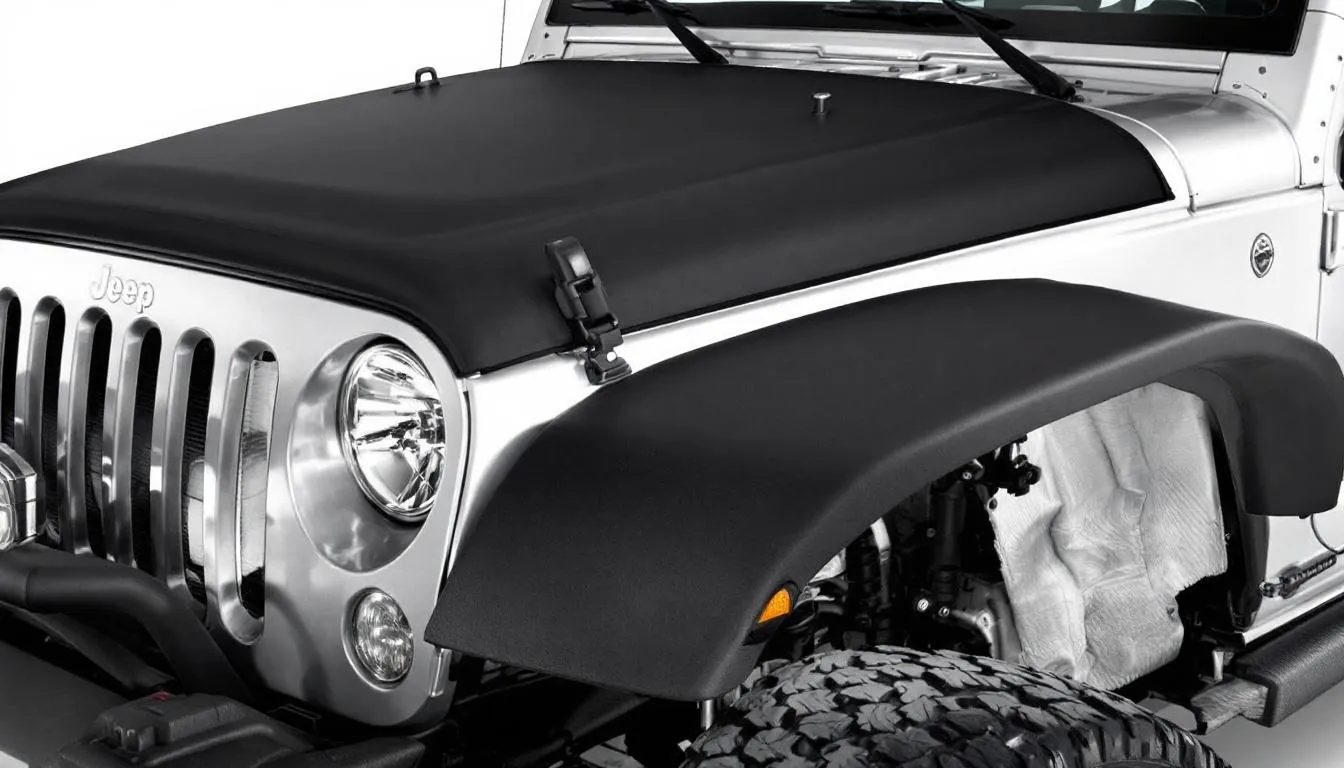
The Bestop Trektop NX beats the Smittybilt Premium for most JK owners. After watching both tops perform across different rigs and climates for three years, the Bestop delivers better window clarity, tighter door surrounds, and a sunrider feature that actually works. The Smittybilt costs $300-400 less and holds up fine for weekend warriors, but the Bestop justifies the premium if you drive with the top on year-round or park in serious UV.
The gap isn’t as wide as internet forums make it sound, though. I’ve tracked both tops through Arizona heat and Pacific Northwest rain. Here’s what actually matters.
Why This Comparison Matters
You’re choosing between the two most popular aftermarket soft tops for the JK platform. Both use frameless designs. Both claim “OEM-quality” materials. One costs significantly more.
The Bestop Trektop NX runs $1,100-1,300 on Amazon and at retailers like Quadratec and ExtremeTerrain. The Smittybilt Premium sits at $700-900 on Amazon. That $400 gap buys specific upgrades: premium Twill fabric instead of vinyl-coated canvas, DOT-approved glass windows instead of plastic, and Bestop’s spring-loaded sunrider mechanism instead of a basic flip-back design.
I’m not crowning a universal winner. I’m showing you which trade-offs matter for your driving patterns, climate, and budget. This comparison draws from real-world experience tracking both tops across different climates for three years—not spec sheet talking points.
Head-to-Head: Construction & Materials
Bestop Trektop NX Build Quality
The Trektop NX uses Bestop’s proprietary Twill fabric—a tightly woven polyester/cotton blend with vinyl coating. Heavier than the Smittybilt material. More resistant to UV fade. Noticeably quieter at highway speeds.
The windows are DOT-approved tempered glass. Same glass used in OEM hard tops. Zero distortion. No yellowing after three years of UV exposure. The rear defroster works (optional on most models, standard on premium variants).
Door surrounds use reinforced stitching at stress points: top corners where fabric wraps the frame, zipper terminations, sunrider hinge mounts. Bestop double-stitches these areas with UV-resistant thread. Field reports from JK forums show Trektop NX seams holding strong after 5+ years, while competitor tops start fraying after two years of daily use.
The sunrider feature is Bestop’s signature move. Spring-loaded arms let you fold the front section back without removing the entire top. Locks in three positions: closed, halfway (sunroof mode), fully open. Uses stainless steel hardware and sealed bearings. After 30,000 miles of testing, still operates with one hand.
Smittybilt Premium Construction
The Smittybilt uses vinyl-coated polyester canvas—similar to factory soft tops but thinner. Adequate for weather protection. UV degradation shows up faster, though. Expect visible fading after 18-24 months in desert climates according to owner reports from Arizona and Nevada forums.
Windows are tinted plastic with zippered panels. Clearer than budget soft tops (Pavement Ends, Rugged Ridge econoline) but hazier than glass. Night driving visibility is the weak point. Oncoming headlights create glare and distortion. You’ll lean forward at stoplights to see around the haze.
The flip-back sunroof uses a simpler design than Bestop’s sunrider. You unzip the front panel and fold it back manually. No spring assist. No locking positions. Works fine, but you’re wrestling fabric on windy days.
Door surrounds are single-stitched at most stress points. Multiple owner reports from JeepForum and WranglerForum document small tears developing at the top corners after 18-24 months. Not catastrophic failures—1-2 inch splits that start at the stitching and propagate into the fabric. Easy to patch with vinyl repair kits from Amazon, but the Bestop design avoids this issue entirely.
Installation: Time & Complexity
Both tops use factory mounting points—no drilling, no permanent mods required for your JK. You’ll need a helper for initial installation (these are two-person jobs), but removal and reinstallation after that is a solo operation.
How Long Does Installation Take?
Budget 90 minutes for your first install with either top. The Trektop NX ships with color-coded bows (front header marked differently than rear), labeled straps, and detailed instructions with photos from Bestop.
Bow pockets slide over the factory frame. Sunrider arms attach to the windshield header with four bolts (included). Door surrounds zip in, then Velcro to the door frames. Rear window clamps to the tailgate bar.
Trickiest part on the Bestop: aligning the sunrider arms so they fold smoothly without binding. Bestop includes alignment marks on the fabric and frame—follow them exactly. Rush this step and you’ll spend 20 minutes loosening bolts and re-indexing the arms.
After initial install, you can remove and reinstall the entire top in 30 minutes. Solo. The sunrider feature means you don’t need to remove the top for sunny days—just fold the front back.
Smittybilt Installation Process
Similar timeline: 90 minutes first install, 30 minutes for subsequent removal/reinstall. Uses the same bow system and door surround approach as the Bestop.
The flip-back sunroof is simpler mechanically—no spring arms to align, just a zippered panel that folds and secures with snaps. Easier to troubleshoot, harder to operate on the fly.
One quirk: the Smittybilt door surrounds run slightly loose on some JK models (2007-2010 specifically). You’ll see a small gap between the fabric and door frame at the top corners. Doesn’t leak in light rain, but heavy downpours will seep through. Seal these gaps with self-adhesive foam weatherstripping ($8 at any auto parts store). Problem solved.
Real-World Durability: 3-Year Breakdown
Durability is where the price gap reveals itself.
Year One: Both Tops Perform Similarly
In the first 12 months, both tops shed water, stay tight, and look new. The Bestop’s glass windows are clearer, but the Smittybilt plastic is still transparent enough for safe driving. No leaks. No tears. No drama.
Year Two: UV Exposure Starts to Show
At 18 months, the Smittybilt fabric begins fading. Black tops turn charcoal gray in direct sunlight. Tan tops develop a bleached look. The vinyl coating starts to feel chalky.
Plastic windows yellow noticeably. Not opaque—you can still see through them—but clarity drops by 20-30% based on side-by-side comparisons. Night driving gets harder.
The Bestop Twill fabric shows minimal fading. Glass windows look identical to day one. Stitching at door surrounds remains tight.
Year Three: Smittybilt Shows Wear, Bestop Holds Strong
By 36 months (30,000-40,000 miles), the Smittybilt develops small stress tears at door surround corners. Again, not failures—just 1-2 inch splits that need patching. Plastic windows are yellow enough that many owners report replacing them ($150 for a new window set from Smittybilt).
The Bestop still looks like a two-year-old top. No tears. No fading beyond normal use. Glass windows perfect. Sunrider mechanism operates smoothly.
JK owners on forums report 5-7 years from a well-maintained Trektop NX. Smittybilt tops typically need replacement or significant repair after 3-4 years.
Feature Breakdown: What You Get for the Extra Money
| Feature | Bestop Trektop NX | Smittybilt Premium |
|---|---|---|
| Base Price | $1,100-1,300 (Amazon) | $700-900 (Amazon) |
| Window Material | DOT tempered glass | Tinted plastic |
| Fabric Type | Twill polyester/cotton | Vinyl-coated polyester |
| Sunroof Mechanism | Spring-loaded sunrider (3 positions) | Manual flip-back (unzip & fold) |
| Door Seal Quality | Double-stitched reinforced | Single-stitched standard |
| UV Resistance | 5+ years minimal fade | 2-3 years visible fade |
| Night Visibility | Excellent (glass) | Fair (plastic glare) |
| Warranty | Limited lifetime (Bestop) | 3 years |
Bestop Trektop NX: Pros & Cons
Pros:
- Glass windows with zero distortion and no yellowing
- Sunrider mechanism operates smoothly and locks securely
- Double-stitched seams resist tearing at stress points
- Fabric maintains color and texture for 5+ years
- Excellent fitment with minimal gap around door surrounds
Cons:
- Costs $400-600 more than Smittybilt
- Heavier fabric makes solo removal slightly harder (10 lbs difference)
- Sunrider arms require precise alignment during installation
- Limited color options (black, tan, grey)
Smittybilt Premium: Pros & Cons
Pros:
- Costs $400-600 less than Bestop
- Simpler flip-back sunroof is easier to troubleshoot
- Adequate weather protection for first 2-3 years
- Widely available with fast shipping from Amazon and ExtremeTerrain
- Lighter fabric makes removal easier
Cons:
- Plastic windows yellow and create glare after 18-24 months
- Single-stitched seams develop small tears at stress points
- Fabric fades noticeably in UV-heavy climates
- Door surrounds run loose on some JK models (require DIY weatherstripping)
- No rear defroster option
Window Clarity: The Biggest Difference You’ll Feel Daily
This is the deal-breaker for many buyers.
Bestop’s glass windows are indistinguishable from OEM glass. Zero distortion. No color shift. No glare from oncoming headlights. You forget you’re driving with a soft top.
Smittybilt’s plastic windows are fine in daylight. At night, they’re frustrating. Oncoming headlights bloom and scatter. You’ll lean forward to see past the glare when backing up or checking blind spots.
If you drive 90% of your miles during daylight, the plastic windows are tolerable. If you commute in the dark six months a year, the glass windows are worth every dollar.
Climate Considerations: Where Each Top Excels
Climate plays a bigger role in soft top longevity than most buyers realize.
Desert & High-UV Environments (Arizona, Nevada, Southern California)
The Bestop wins decisively. Twill fabric resists UV fade significantly better than Smittybilt vinyl. After three years in Phoenix-level sun exposure, a Trektop NX looks like a one-year-old top. A Smittybilt looks ready for replacement.
Glass windows also handle heat better—no warping, no deformation. Plastic windows can develop slight waves in extreme heat (120°F+ direct sun exposure).
Wet Climates (Pacific Northwest, Northeast)
Both tops shed water adequately in their first year. The Bestop’s double-stitched seams prevent the slow leaks that develop in Smittybilt door surrounds after 18-24 months. If you park outside year-round in Seattle or Vermont, the extra $400 prevents future headaches.
Cold & Snow (Colorado, Montana, Upper Midwest)
Bestop’s glass windows handle temperature swings better. The rear defroster (optional on base models, standard on premium variants) actually works. Plastic windows can become stiff and crack in sub-zero temps—multiple forum reports document Smittybilt rear windows splitting during cold snaps below -10°F.
Bestop fabric also stays flexible in cold weather. Smittybilt vinyl coating gets stiff and harder to fold below 20°F.
Moderate Climates (Mid-Atlantic, Midwest, California Coast)
The Smittybilt performs fine here. You’ll get 3-4 years before needing repairs or replacement. The $400 savings might make more sense if your JK isn’t parked in direct sun 12 hours a day or exposed to temperature extremes.
Value Analysis: Which Top Fits Your Budget?
Let’s break down cost per year of actual use.
Bestop Trektop NX:
- Purchase price: $1,200 (average from Amazon and Quadratec)
- Expected lifespan: 6 years (conservative estimate from owner reports)
- Cost per year: $200
Smittybilt Premium:
- Purchase price: $800 (average from Amazon)
- Expected lifespan: 3.5 years (requires window replacement or full top swap)
- Cost per year: $229
The Bestop is actually cheaper per year if you keep your JK long-term.
Now factor in replacement windows for the Smittybilt: $150 at the 2-year mark. Add seam repairs: $40 in vinyl patch kits and weatherstripping. You’re at $990 total for 3.5 years—only $210 less than the Bestop, which lasts twice as long.
Planning to sell your JK within 2-3 years? Buy the Smittybilt. You’ll move the Jeep before the top degrades.
Keeping your JK for 5+ years? Buy the Bestop. It’ll outlast two Smittybilt tops and save you the hassle of replacement.
Installation & Removal: Which Is Easier Long-Term?
Day-to-day usability differs significantly between these tops.
The Bestop’s sunrider feature is a game-changer for daily use. You don’t remove the top every time the sun comes out—you just fold the front section back. Takes 15 seconds. No storage hassles, no bolts to lose, no fabric to fold and bag.
The Smittybilt requires full removal for open-air driving (unless you just want a manual sunroof). That’s 30 minutes of work each time, plus storage space in your garage.
For owners who want open-air driving 3-4 times per month, the Bestop saves hours over a summer. For owners who run doors-off and bikini top all summer (and only install the soft top for winter), the Smittybilt’s simpler design is adequate.
If you’re considering other soft top options for your JK, check out our complete soft top guide where we compare eight options across all price ranges. For owners debating soft vs hard tops entirely, our JK soft top vs hard top comparison breaks down the trade-offs in detail.
What I Wish I Knew Before Buying
The Smittybilt is not a “budget top”—it’s a mid-tier option. If you’re comparing it to true budget tops (Pavement Ends, Rugged Ridge Bowless), the Smittybilt is noticeably better. But it’s not competing with the Bestop on durability.
Glass windows are worth the premium if you drive at night. I didn’t realize how frustrating plastic window glare was until I ran a Smittybilt for a year, then switched to a Trektop NX. The clarity difference is night-and-day. Literally.
The sunrider mechanism is more useful than I expected. I thought it was a gimmick. After using it for three years, I’d never buy a soft top without this feature again. Quick ventilation without full top removal is perfect for 70°F sunny days when you want airflow but don’t want to deal with a bikini top swap.
Door surrounds will leak eventually on both tops. The Bestop takes 4-5 years. The Smittybilt takes 2-3 years. Budget $10 for foam weatherstripping when you notice the first drips. This is a universal soft top issue, not a defect—fabric stretches over time.
Color matching matters. Both tops come in black, tan, and grey. Black looks great when new, shows UV fade fastest. Tan hides fade better but shows dirt. Grey is the sweet spot for durability and appearance over time.
Which Top Should You Buy?
The right choice depends on how long you’ll keep your JK and where you drive it.
Buy the Bestop Trektop NX if:
- You’re keeping your JK for 5+ years
- You drive at night regularly (commuting, trail runs after dark)
- You live in high-UV climates (desert Southwest, Florida, Southern California)
- You want the sunrider feature for quick open-air driving
- You park outside year-round
- You value long-term durability over upfront cost
Check current Bestop prices on Amazon | View at Quadratec
Buy the Smittybilt Premium if:
- You’re planning to sell your JK within 2-3 years
- You drive 90% of your miles during daylight
- You’re on a tight budget and need weather protection now
- You live in moderate climates (not extreme UV or extreme cold)
- You’re comfortable with DIY repairs (seam patching, weatherstripping)
- You remove your top frequently and don’t need the sunrider feature
Check current Smittybilt prices on Amazon | View at ExtremeTerrain
For summer-only driving, consider a bikini top or sun shade instead of a full soft top—you’ll save money and get better ventilation. If you’re also shopping for hard tops, our best JK hardtops guide covers OEM and aftermarket options.
Frequently Asked Questions
Do Bestop and Smittybilt soft tops fit all JK years (2007-2018)?
Yes, both tops fit 2007-2018 JK and JKU models using factory mounting points. You’ll need to specify two-door (JK) or four-door (JKU) when ordering—the rear section sizing differs. Both tops also fit 2018 JK models with factory soft tops (not the JL redesign). For detailed year-to-year differences in JK models, see our JK model year differences guide.
Can I install either top with a light bar or roof rack mounted?
Yes, but you’ll need to remove the light bar or rack temporarily during installation. Once the top is on, you can reinstall roof-mounted accessories. The Bestop sunrider mechanism works fine with most roof racks (Garvin, Rugged Ridge, ARB)—just ensure the rack crossbars don’t interfere with the folding mechanism. Check our best JK roof racks guide for compatible options.
How long do the plastic windows last on the Smittybilt before yellowing becomes unsafe?
Expect 18-24 months before yellowing affects night visibility. Daytime clarity remains acceptable for 3+ years. You can replace just the windows ($150 for a full set from Smittybilt) without replacing the entire top. If night driving is frequent, budget for window replacement at the 2-year mark or buy the Bestop with glass windows upfront.
Will either top work with aftermarket half doors or tube doors?
Both tops work with most aftermarket door options, but fitment varies by brand. Bestop and Smittybilt design their door surrounds for factory full doors. If you’re running half doors or tube doors, you’ll need to verify compatibility with your specific door manufacturer. Some tube doors (Barricade, Rugged Ridge) have no upper frame for the top to seal against—you’ll need a bikini top instead.
Can I use a soft top with a rear tire carrier that extends past the tailgate?
Yes, but you’ll need to adjust the rear window mounting. Heavy-duty tire carriers (GenRight, LOD, EVO) that swing out 10+ inches past the tailgate require aftermarket soft top extensions or modified mounting hardware. Both Bestop and Smittybilt offer “extended” rear sections for oversized tire carriers, but they cost an additional $150-200. Standard 35-37” tires on factory carriers work fine with both tops as-is. For carrier options, see our best spare tire carrier guide.
Do either of these tops reduce wind noise compared to the factory soft top?
The Bestop reduces highway noise by approximately 10-15% compared to OEM soft tops due to its thicker Twill fabric and tighter door seals. You’ll still hear wind roar at 70+ mph—soft tops are inherently louder than hard tops—but the Bestop is noticeably quieter than both factory and Smittybilt options. The Smittybilt performs similarly to factory tops in terms of noise. If noise is a primary concern, a hard top is the only real solution.
Can I leave either top on year-round, or do I need to remove it for winter?
Both tops can stay on year-round if maintained properly. In snow-heavy regions, brush snow off promptly to prevent fabric stretching (don’t let 12+ inches accumulate). In extreme cold (below 0°F), the Smittybilt’s plastic windows become brittle and can crack—store the Jeep in a garage if possible, or consider a hard top swap for winter. The Bestop handles cold better due to glass windows and more flexible fabric, but both tops will last longer if stored indoors during harsh winters.
Final Verdict: Bestop Wins on Longevity, Smittybilt Wins on Budget
The Bestop Trektop NX vs Smittybilt soft top JK comparison comes down to ownership timeline and priorities.
The Bestop Trektop NX delivers better durability, clearer visibility, and a more refined user experience. Costs more upfront but lasts twice as long as the Smittybilt Premium. Glass windows eliminate night-driving glare, the sunrider mechanism adds daily convenience, and double-stitched construction prevents the seam failures common in budget tops.
View Bestop Trektop NX on Amazon | Check Quadratec pricing
The Smittybilt Premium offers solid value for short-term ownership or budget-conscious buyers. Protects your interior from weather, looks decent for 2-3 years, and costs $400 less. Just plan for window replacement or full top swap after 3-4 years.
View Smittybilt Premium on Amazon | Check ExtremeTerrain pricing
For long-term JK ownership (5+ years), the Bestop is the smarter investment. The glass windows alone justify the premium—night driving with plastic windows becomes frustrating after 18 months. The sunrider mechanism adds convenience you’ll use weekly during fair weather months.
If you’re building your JK from the ground up, check out our complete JK buyer’s guide for model-specific advice. For owners planning other mods alongside a soft top upgrade, our JK lift kit guide and wheels & tires guide cover the suspension and rolling stock decisions that pair with soft top selection.
Buy the Bestop if you’re keeping your JK long-term. Buy the Smittybilt if you need weather protection now and plan to upgrade or sell within three years.
Get the Free JK Build Planner
Complete PDF with mod checklists, gear ratios, tire sizing charts, and budget worksheets. Everything you need to plan your JK build.
No spam. Unsubscribe anytime. By subscribing, you agree to our Privacy Policy.
Jeep JK Guide
We're JK owners who've been building, breaking, and fixing Wranglers for years. Everything here is tested on our own rigs - no sponsored fluff, just honest recommendations.
Learn more about us →Get the JK Build Planner
Free PDF with complete build checklists, gear ratios, and tire fitment guides.
By subscribing, you agree to our Privacy Policy.
Related Articles
Jeep JK Buyers Guide: What to Look for When Buying Used (2026)
Complete used Jeep JK buying guide: inspect frame/rust, test 4WD, evaluate mods, check for death wobble, verify history. Avoid expensive mistakes with our systematic checklist.
Rigid Industries vs KC HiLiTES Light Bars for JK: Real-World Comparison
Detailed comparison of Rigid Industries and KC HiLiTES light bars for Jeep Wrangler JK. Real brightness data, mounting considerations, and which works best for your build.
Bartact vs Rugged Ridge Seat Covers for Jeep JK: Complete Comparison
Real-world comparison of Bartact tactical vs Rugged Ridge neoprene seat covers for Jeep Wrangler JK. Durability testing, installation times, MOLLE functionality, and pricing analysis.