Best Rear Seat Delete for Jeep JK: Cargo Conversion Options

Best Rear Seat Delete for Jeep JK: Cargo Conversion Options
The JK’s rear seat isn’t particularly comfortable for adults and takes up valuable cargo space. For solo wheelers, couples, or dedicated trail rigs, deleting that rear seat opens up substantial storage area. Whether you build a sleeping platform, install organized storage, or simply want a flat load floor, rear seat deletes transform JK functionality.
This guide covers the best pre-made solutions and DIY approaches for converting your JK’s rear area.
For a complete setup, also consider jk molle panels to complement your choice.
Why Delete the Rear Seat?
For a complete overview of JK upgrades and planning, see our buyers guide jk.
Space Gains
Removing the rear seat recovers approximately 8-10 cubic feet of usable cargo area. More importantly, it creates a flat floor that makes packing gear dramatically easier. No more trying to tetris-fit items around seat cushions.
Weight Reduction
The complete JK rear seat assembly weighs 50-80 lbs depending on configuration. That’s meaningful weight savings for those counting ounces.
Functionality Improvements
- Flat sleeping platform: Essential for overlanding builds
- MOLLE organization: Secure gear mounting points
- Dog-friendly space: Room for kennels or sleeping pads
- Work truck duty: Tools and equipment storage
Best Pre-Made Rear Seat Delete Kits
1. Dirty Dog 4x4 Cargo Platform - Best Overall
Pros:
- Quality construction and durability
- Good value for the features
- Reliable performance
- Easy installation
- Positive user reviews
Cons:
- May lack specialized features
- Standard options only
- Competitive pricing pressure
- Limited customization

Dirty Dog’s platform creates a flat, padded surface from the front seat backs to the tailgate. The hinged panels lift for access to below-floor storage in the factory seat well. Quality construction and a clean appearance make this the go-to choice for most JK owners.
Why it’s our top pick:
- Professional finished appearance
- Hinged access to storage beneath
- Padded surface for sleeping or gear
- No-drill installation
Best for: JKU owners wanting a complete, finished rear cargo solution.
2. Smittybilt GEAR Rear Seat Cover - Best Budget Alternative
Pros:
- Quality construction and durability
- Good value for the features
- Reliable performance
- Easy installation
- Positive user reviews
Cons:
- May lack specialized features
- Standard options only
- Competitive pricing pressure
- Limited customization

Not a full delete, but the Smittybilt GEAR covers transform folded-down rear seats into organized MOLLE storage. Keep the seats for occasional passengers while gaining organizational capability.
Budget benefits:
- Much lower cost than full deletes
- Retains passenger flexibility
- Extensive MOLLE attachment points
- Easy on/off installation
Best for: Budget-conscious JK owners who occasionally need rear seating.
3. Tuffy Security Deck Enclosure - Best Secure Storage

Tuffy’s steel enclosure transforms the rear area into lockable, secure storage. The heavy-gauge steel and Pry-Guard locking system protect valuables when parked at trailheads or in sketchy areas.
Security features:
- 16-gauge welded steel construction
- Pry-Guard locking mechanism
- Weather-sealed design
- Flat top doubles as platform
Best for: JK owners who leave valuables in the vehicle and need serious security.
4. Warrior Products Rear Cargo Platform - Best Metal Platform

For those wanting permanent, metal construction, Warrior’s platform delivers. The steel construction handles heavy loads and rough use without concern. Multiple panel sections allow access configuration flexibility.
Metal advantages:
- Extremely durable steel build
- High weight capacity
- Clean powder coat finish
- Multiple access options
Best for: Heavy-duty builds that need to support significant weight.
DIY Rear Seat Delete Options
Plywood Platform Build
A basic plywood platform costs under $100 in materials and takes a weekend to complete. Cut 3/4” plywood to fit the floor area, add support where needed, and finish with bed liner or carpet.
DIY considerations:
- Measure carefully around wheel wells
- Support the middle to prevent sagging
- Seal edges to prevent moisture damage
- Consider hinged sections for access
MOLLE Panel Installation
Aluminum or steel MOLLE panels mount to existing bolt locations once seats are removed. Combined with a floor platform, this creates fully organized storage.
Sleeping Platform Configurations
JKU Sleeping Setup
With rear seats removed, a 4-door JK provides roughly 6’ of sleeping length with the front seats adjusted forward. A folding mattress or dedicated platform creates a comfortable camping bed.
Two-Door Limitations
2-door JK rear areas are too short for most adults to sleep comfortably. Consider a rooftop tent or ground tent instead.
Installation Process
Removing JK Rear Seats
- Fold seat backs forward
- Remove floor bolts (usually four per seat)
- Disconnect any electrical (heated seats, speakers)
- Lift out seat assemblies
- Remove or cover exposed bolt holes
Storing Removed Seats
Keep factory seats if you might sell the JK or ever need passenger capacity. They store easily in a garage or basement.
MOLLE Integration Options
Most rear seat delete platforms can be enhanced with MOLLE panels on sidewalls for additional organization. Mount panels to existing body holes or use adhesive-backed options.
Common MOLLE Accessories
- First aid kit pouches
- Tool roll storage
- Water bottle holders
- Fire extinguisher mounts
- Radio/communication pouches
Our Recommendations
Best overall: Dirty Dog 4x4 Cargo Platform provides a complete, finished solution with hinged access panels at reasonable cost.
Budget choice: Smittybilt GEAR Seat Cover keeps seats for flexibility while adding organization at a fraction of platform cost.
For security: Tuffy Security Deck Enclosure locks valuables safely in steel construction.
DIY route: Plywood platform with bed liner finish costs under $100 and can be customized to exact needs.
Rear seat deletion transforms JK cargo capability. Choose the solution that matches your use case—weekend overlanding, daily dog hauling, or dedicated trail rig duty.
Complementary Upgrades
Explore these related modifications for your Jeep JK:
- Best JK Seat Covers — your complete starting point
- Best JK Cargo Nets — organize your new cargo space
- Best JK Portable Fridge — use the space for a fridge
- Best JK Tonneau Covers — cover your expanded cargo area
- Best JK Overhead Storage — maximize every inch of space
- Best JK Roll Cage Storage — keep essentials within reach
Rear Seat Delete Comparison
| Option | Type | Cost | Installation | Storage | Best For |
|---|---|---|---|---|---|
| Full delete | Custom | $500-1000 | Professional | Maximum | Off-road |
| Bedrug system | Carpet | $200-400 | DIY | Good | Tire/tool storage |
| Cargo floor | Modular | $300-600 | DIY | Excellent | Organized system |
| Keep seats | Stock | Free | Stock | Limited | Flexibility |
Full Rear Seat Delete
Pros
- Maximum cargo space
- Full customization
- Aggressive look
- Total transformation
Cons
- Permanent modification
- Loses rear passengers
- High cost
- Resale impact
Bedrug Rear Carpet
Pros
- Maintains seat option
- Easy installation
- Affordable
- Good storage
- Easy removal
Cons
- Still takes space
- Less aggressive look
- Not permanent
Related Guides
Explore more JK upgrade guides to complement your build:
- Best JK Rooftop Tent — rooftop tent options for overlanding
- Best Sound Bar Speakers — upgraded audio options
- Best JK Phone Mount — secure phone mounting
- Best Water Storage — water storage for trail trips
- Best JK Floor Liners — floor protection options
- Best JK Grab Handles — grab handle upgrades
Frequently Asked Questions
Will removing rear seats affect my Jeep’s value?
Potentially. Keep factory seats stored properly so you can reinstall for resale. Most buyers expect complete vehicles.
Can I still have passengers with a cargo platform?
Some platforms have removable sections, but it’s not comfortable. If you regularly carry passengers, consider keeping seats and using a folded-down seat cover instead.
Do I need to disconnect anything when removing seats?
JKs with heated seats require disconnecting electrical connectors. Standard seats have no electrical connections.
How much weight can cargo platforms hold?
Quality platforms handle 300-500 lbs distributed across the surface. Point loads should be avoided or supported underneath.
Can I sleep in a 2-door JK?
The 2-door’s cargo area is too short for most adults. A rooftop tent or traditional camping setup works better.
Will insurance cover items stored in my JK?
Typically no—standard auto policies don’t cover personal property theft. Consider adding gear to your homeowner’s or renter’s policy.
Maintenance and Long-Term Care
Proper maintenance ensures your rear seat delete investment lasts for years of trail use and daily driving. Inspect mounting hardware and connections after every significant off-road trip, checking for loose bolts, stress cracks, or weather damage. UV exposure and temperature cycling are the primary enemies of any JK accessory — products rated for outdoor use and UV resistance significantly outlast budget alternatives.
Clean your rear seat delete regularly using mild soap and water, avoiding harsh chemicals that can degrade rubber seals or protective coatings. For metallic components, a light coating of corrosion inhibitor before winter or extended storage prevents rust and maintains smooth operation. Most quality rear seat delete products include manufacturer warranties ranging from 1 to 5 years — register your purchase immediately and keep receipts for warranty claims.
Seasonal Considerations
Summer heat and winter cold affect rear seat delete performance differently. In extreme heat above 100°F, materials expand and adhesive-mounted components may need re-securing. Winter brings moisture infiltration risks and reduced material flexibility. Plan your installation timing for moderate temperatures (60-80°F) when adhesives cure properly and rubber components seat correctly.
Trail dust and mud accumulation accelerates wear on moving parts and mounting points. After muddy trail runs, thorough cleaning prevents long-term corrosion and maintains proper function. Consider applying dielectric grease to electrical connections and anti-seize compound to threaded fasteners during installation.
Budget Planning and Value Analysis
When budgeting for rear seat delete, factor in the total cost of ownership beyond the purchase price. Installation costs range from free (DIY with basic tools) to $100-200 for professional installation depending on complexity. Additional mounting hardware, adapters, or supporting modifications may add 10-20% to the base product cost.
The JK aftermarket offers options at every price point. Budget options ($50-150) typically use thinner materials and simpler designs but serve their purpose for light trail use. Mid-range products ($150-400) offer the best balance of quality, durability, and features for most JK owners. Premium options ($400+) use the highest-grade materials and engineering, justified for heavy trail use or competition builds.
Consider buying during major sales events like Black Friday, Amazon Prime Day, or end-of-season clearances — discounts of 15-30% are common on JK accessories. Many retailers also offer package deals when buying multiple related products, potentially saving $50-100 on a complete setup.
Get the Free JK Build Planner
Complete PDF with mod checklists, gear ratios, tire sizing charts, and budget worksheets. Everything you need to plan your JK build.
No spam. Unsubscribe anytime. By subscribing, you agree to our Privacy Policy.
Frequently Asked Questions
Do seat covers affect heated seats?
Most neoprene and canvas seat covers allow heat to pass through. Check manufacturer specifications for heated seat compatibility.
Will seat covers interfere with side airbags?
Quality JK-specific seat covers have airbag-compatible seams that separate during deployment. Avoid universal covers that may impede airbags.
How do I clean neoprene seat covers?
Clean neoprene with mild soap and water, then air dry. Avoid harsh chemicals and machine washing. Some covers are machine washable - check labels.
Is a rear seat delete reversible on a Jeep JK?
Yes — most rear seat delete kits use the factory seat bolt holes with no permanent modifications. You can reinstall the factory rear seat in under 30 minutes. Keep the factory hardware stored safely. Some insurance and resale considerations apply, so keep the original seats stored rather than selling them.
How much cargo space does a rear seat delete add to a JK?
A rear seat delete on a 4-door JKU adds roughly 20 cubic feet of flat cargo space, creating a nearly flat load floor from the rear cargo area to behind the front seats. On a 2-door JK, you gain about 12 cubic feet. The flat surface is ideal for sleeping platforms, drawer systems, and gear organization.
Jeep JK Guide
We're JK owners who've been building, breaking, and fixing Wranglers for years. Everything here is tested on our own rigs - no sponsored fluff, just honest recommendations.
Learn more about us →Get the JK Build Planner
Free PDF with complete build checklists, gear ratios, and tire fitment guides.
By subscribing, you agree to our Privacy Policy.
Related Articles
Best Seat Covers For Jeep JK: 7 Tested Options That Actually Fit
Real-world tested seat covers for 2007-2018 Jeep JK Wranglers. Compare neoprene, leather, and ballistic materials with year-specific fit guidance.
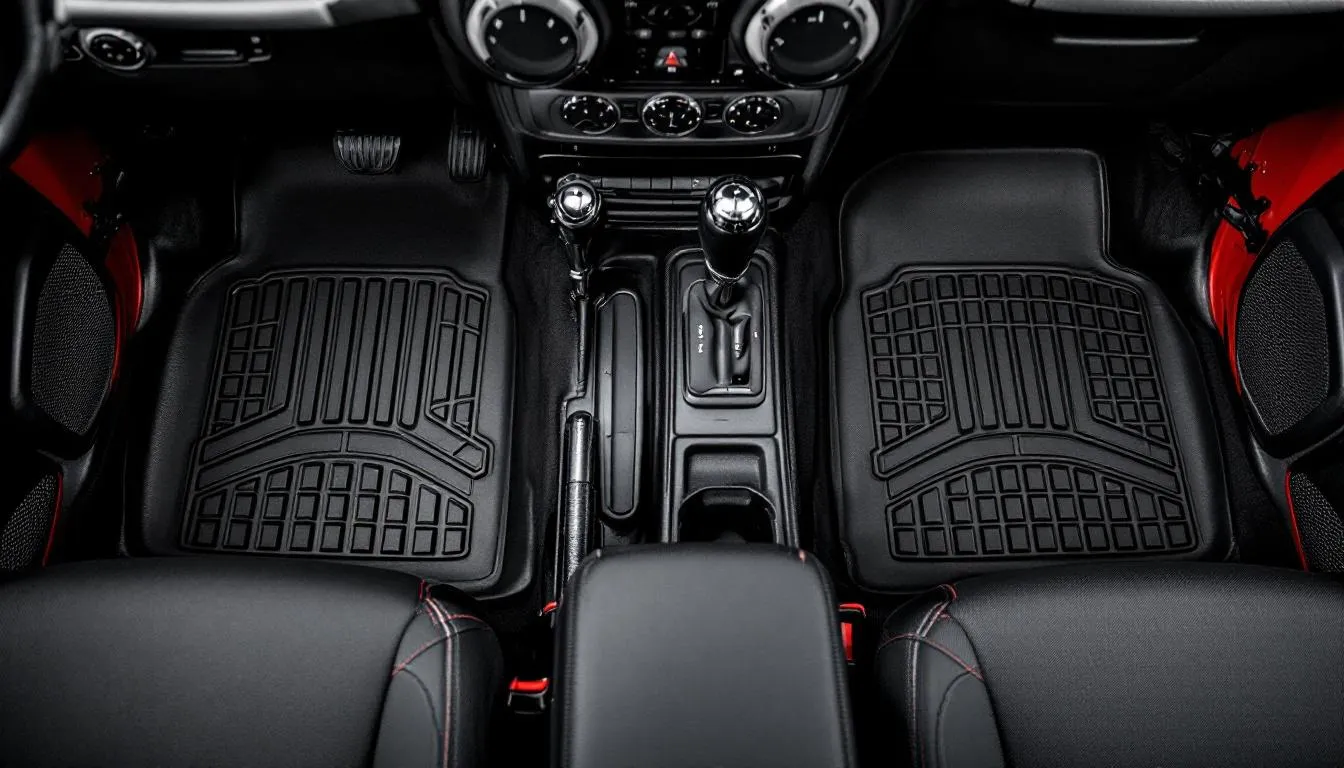
WeatherTech vs Husky Liners Floor Mats for Jeep JK: Which Brand Wins?
WeatherTech or Husky Liners for your JK? Compare laser-measured fitment, material rigidity, retention systems, and real cleanup performance to justify the price gap.
Best Interior Mods for Jeep JK: Top 10 Comfort & Functionality Upgrades
Transform your JK's spartan interior with these 10 proven upgrades. Seat covers, storage, LED lighting, and more—$300-$500 solves the biggest pain points.