Best Tube Doors For Jeep JK: Expert Guide to Steel vs Aluminum Options
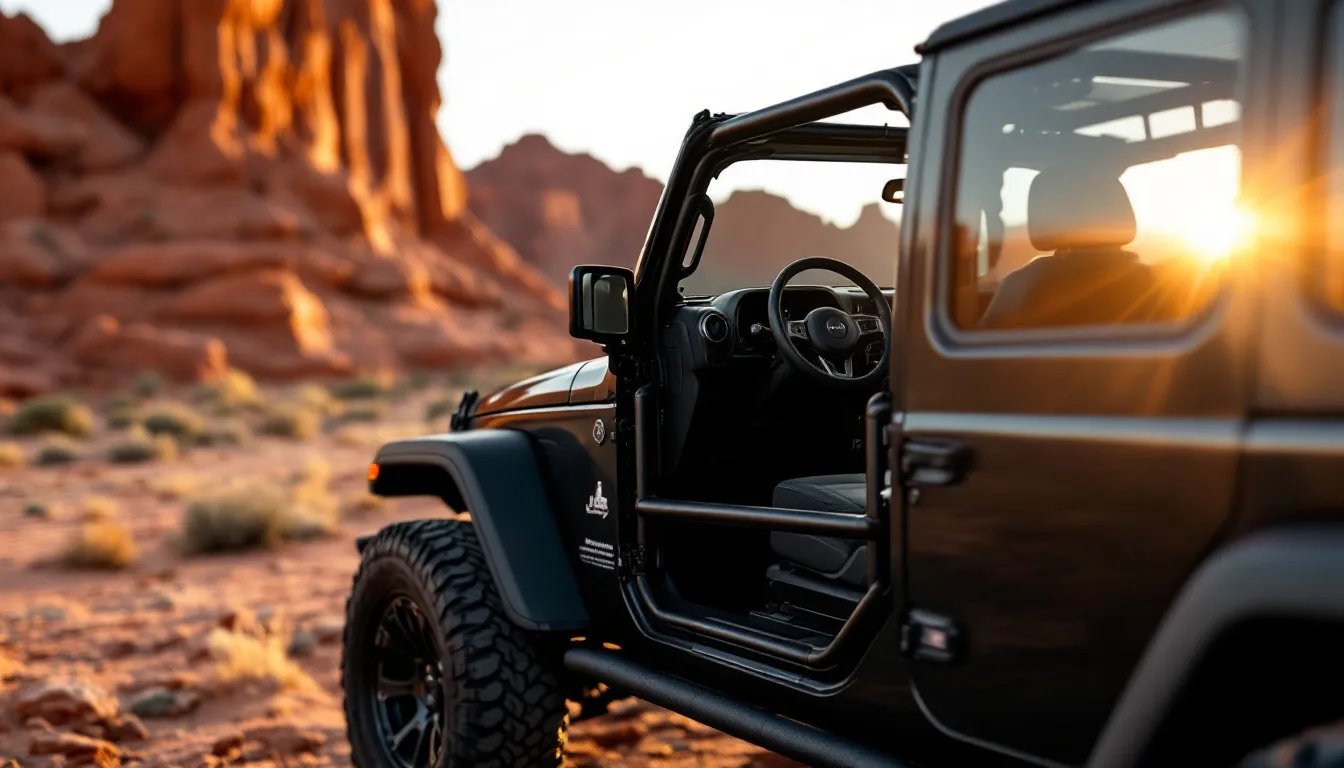
Best Tube Doors For Jeep JK: Expert Guide to Steel vs Aluminum Options
Tube doors offer Jeep JK owners the ultimate open-air experience while maintaining more protection than going completely doorless. After months of research across owner forums, product reviews, and hands-on conversations with fellow JK enthusiasts, I’ve learned that the best tube doors balance weight savings, durability, and legal compliance. This guide breaks down everything you need to know about tube door materials, installation difficulty, state requirements, and what to look for when shopping—even in today’s challenging market where product availability fluctuates constantly.
My approach to evaluating tube doors has always prioritized real-world community knowledge over manufacturer spec sheets. I’ve spent countless hours reading installation threads, watching owner videos showing long-term durability, and asking pointed questions in JK groups about what actually works on the trail versus what looks good in product photos. That philosophy shapes every recommendation and consideration in this guide.
What Are Tube Doors and Why Choose Them for Your JK?
Tube doors are aftermarket door replacements featuring a tubular steel or aluminum frame with minimal or no solid paneling. Unlike stock doors with full windows, weather seals, and interior trim, tube doors strip away everything except structural protection, creating an open-air driving experience that still provides improved airflow and ventilation while maintaining door-mounted safety equipment like seatbelt anchors.
JK owners choose tube doors for several compelling reasons. They deliver massive weight savings—typically 40-60 pounds per door compared to stock—which reduces unsprung weight and can slightly improve handling response. They provide an unobstructed view of obstacles during technical off-road sections, letting you watch your tire placement without leaning out past a door frame. And they transform the driving experience during warm weather, offering airflow that surpasses even summer sun protection options like bikini tops.
Tube doors make the most sense for JK owners who:
- Prioritize open-air driving during spring, summer, and fall months
- Frequently off-road in technical terrain where visibility matters
- Want easier entry and exit at trailheads or campsites
- Swap between configurations seasonally alongside choosing between soft and hard tops
- Live in warm climates where weather protection is less critical
They’re less ideal if you need year-round weather sealing, secure storage, or primarily drive highway miles where wind noise becomes exhausting. Most experienced JK owners treat tube doors as a seasonal modification rather than a permanent replacement, swapping back to stock doors when weather demands it.
Steel vs Aluminum Tube Doors: Which Material Is Right for Your JK?
The material choice significantly impacts your tube door experience, affecting everything from long-term durability to daily handling. Here’s how steel and aluminum tube doors compare across the factors that matter most to JK owners.
Steel tube doors use powder-coated steel tubing in the frame structure. They typically weigh 25-35 pounds per door, making them substantially lighter than stock but heavier than aluminum alternatives. Steel offers more durable resistance to trail damage—branch strikes, rock scrapes, and minor impacts rarely cause permanent deformation. The powder coating protects against rust, though any scratches that penetrate to bare metal will eventually corrode if left untreated. Steel doors typically cost $400-700 per pair, positioning them as the budget-friendly option. They’re the right choice if you prioritize durability over weight savings, frequently encounter tight trail sections with contact risk, or want the most affordable entry into tube doors.
Aluminum tube doors use aircraft-grade aluminum alloy tubing for the frame. They weigh just 15-25 pounds per door, delivering maximum lighter weight benefits that you’ll notice when removing and installing doors for storage. Aluminum won’t rust, making it ideal for beach runners or anyone in humid climates where corrosion is a constant battle. The tradeoff comes in durability—aluminum dents more easily than steel, and once deformed, it’s harder to straighten back to original shape. Aluminum doors cost $600-900 per pair, reflecting the material premium. Choose aluminum if weight savings matter most, you store and swap doors frequently, or you operate near saltwater where rust protection justifies the cost.
Both materials provide adequate structural protection for seatbelt mounting and side impact scenarios. The right choice depends on your priorities: steel for durability and value, aluminum for weight savings and corrosion resistance. Most JK owners running multiple door configurations keep steel tubes for aggressive trail use and save aluminum for casual driving and beach trips.
JK vs JKU Compatibility and Model Year Considerations
Tube doors fit all 2007-2018 Jeep JK Wranglers, including both 2-door JK and 4-door JKU models. The door hinge mounting points remained consistent throughout the JK production run, so a tube door designed for a 2007 Sport will bolt directly onto a 2018 Rubicon without modification. This universal fitment is one advantage of the JK platform—you’re not hunting for model-year-specific parts like you might with other Jeep generations.
The critical compatibility consideration isn’t the vehicle—it’s the door design itself. Quality tube doors include factory-compatible seatbelt anchor points that align with the body-mounted upper seatbelt, maintaining proper three-point restraint function. Doors without proper seatbelt anchors create safety and legal issues. Similarly, mirror mounting options vary between manufacturers. Some tube doors include integrated mirror mounts that accept factory or aftermarket mirrors, while others require separate mirror relocation brackets that mount to the windshield hinge or body cowl.
Two-door JK owners shopping for tube doors face identical fitment as four-door JKU owners—the front door hinges and mounting points are identical between models. Rear door tube options for JKU models follow the same sizing but are less common in the aftermarket since most JKU owners prefer keeping rear doors stock for passenger comfort and security.
If you want deeper context on how JK specifications vary across model years and trim levels, check out our guides on JK model year differences and JK trim level comparison. The short answer for tube door shopping: any door marketed for 2007-2018 JK will fit your Wrangler regardless of year or trim, as long as it’s designed for front door mounting.
How Hard Is It to Install Tube Doors on a Jeep JK?
Installing tube doors is a straightforward bolt-on process that most JK owners complete in 30-60 minutes with basic hand tools. You’re not welding, cutting, or permanently modifying anything—tube doors use the factory hinge mounting points, making installation fully reversible. Here’s the basic sequence:
-
Open the door fully and support it with a helper or padded floor jack to prevent stress on the hinges during removal.
-
Remove the factory door by unbolting the hinge pins—you’ll need a Torx T50 bit for 2007-2010 JKs, or a Torx T55 for 2011-2018 models. Some owners apply penetrating oil to the bolts the night before if the Jeep has seen years of weather exposure.
-
Lift the factory door off the hinges and set it aside in a safe storage location (we’ll discuss storage strategies later).
-
Position the tube door onto the hinges, aligning the mounting holes carefully. The door should slide onto the hinge pins with minimal force.
-
Install the tube door bolts using the same Torx bit, tightening to factory torque specifications (typically 20-22 ft-lbs).
-
Check door alignment by opening and closing several times. The door should swing freely without binding and latch securely when closed.
-
Attach mirrors if your tube doors include integrated mirror mounts, or install windshield-mounted mirror relocators if needed.
The installation requires no special skills beyond basic socket work. The heaviest lift comes from handling the factory doors—stock JK doors weigh 65-75 pounds each, so recruit a helper if you’re working solo. Once you’ve done it twice, you’ll swap between stock and tube doors in under 30 minutes without breaking a sweat.
Are Tube Doors Legal? Mirror and Safety Requirements by State
Tube door legality varies by state, with requirements focusing primarily on side mirrors and seatbelt anchor points rather than door construction itself. Most states require at least one rearview mirror—either the center windshield mirror or a driver’s side exterior mirror. Some states mandate two mirrors total, which typically means center windshield mirror plus driver’s side exterior. A few states require both driver and passenger side exterior mirrors.
The practical implication: verify your specific state’s mirror requirements before ordering tube doors. If your state requires side mirrors and your chosen tube doors don’t include integrated mirror mounts, you’ll need windshield hinge-mounted mirror relocators or A-pillar mirror brackets. These aftermarket solutions maintain legal compliance while running tube doors.
The seatbelt consideration is equally important. Factory JK doors include the upper seatbelt anchor point as part of the door structure. When you install tube doors, that anchor point must remain functional—quality tube doors incorporate a proper mounting location for the upper seatbelt, maintaining three-point restraint. Doors without seatbelt provisions create both a safety hazard and a potential legal issue if you’re involved in an accident and the seatbelt system was compromised.
Beyond mirrors and seatbelts, no state specifically prohibits tube doors as a door type. You’re not required to have roll-up windows, door locks, or weather sealing. The focus is on visibility (mirrors) and occupant restraint (seatbelts). Check your state’s specific vehicle code—a quick search for “[your state] vehicle mirror requirements” usually yields the relevant statute. When in doubt, the DMV or a local vehicle inspection station can clarify what’s required for street legal operation with tube doors.
Current Product Availability Note
The tube door market has experienced significant availability challenges over the past few years. Many popular models from established manufacturers cycle in and out of stock, while some brands have discontinued production entirely. Rather than recommend specific products that may not be available when you’re ready to purchase, I want to help you evaluate whatever options are currently in stock.
When shopping for tube doors today, prioritize these selection criteria. Look for powder-coated steel or anodized aluminum construction with visible weld quality in product photos—clean, consistent welds indicate quality fabrication. Verify that the doors include factory-compatible seatbelt anchor points in the design. Choose doors with integrated mirror mounts if your state requires side mirrors, or budget separately for mirror relocation brackets. Read recent customer reviews carefully, focusing on fitment accuracy and long-term durability reports rather than just star ratings.
Check multiple retailers including specialty Jeep parts sites, general off-road accessory sellers, and direct-from-manufacturer options. Availability shifts weekly in the current market. If you find a well-reviewed set in stock that meets the criteria above, don’t hesitate—popular options sell out quickly.
For related door modification resources beyond tube doors, explore our guide to half doors and other door modification options. Many JK owners mix and match configurations based on season and activity, keeping multiple door sets for different scenarios.
Frequently Asked Questions About Tube Doors for Jeep JK
Can you drive a Jeep JK with tube doors in the rain?
Yes, but you’ll get wet. Tube doors provide minimal weather protection—they keep your arms from extending directly into the rain stream, but water enters freely through the open sides. Light drizzle is manageable for short trips, but sustained rain or highway speeds will soak the interior. Pair tube doors with quality soft tops for rain protection from above, and keep a towel handy for the seats.
Do tube doors affect insurance rates?
Generally no. Most insurance companies don’t adjust rates based on door type since tube doors maintain required safety equipment like seatbelt anchors. Some insurers may ask about modifications during policy renewal, but tube doors typically fall under “accessories” rather than structural modifications. Contact your specific insurer to confirm—most treat tube doors like running tops off, which is standard Jeep operation.
Are tube doors safer than going doorless?
Yes, tube doors provide more side-impact structure than doorless operation and maintain proper seatbelt mounting geometry. The tubular frame offers some lateral protection in a side collision, though obviously less than a full steel door panel. Most importantly, tube doors keep the upper seatbelt anchor in the correct position, maintaining three-point restraint effectiveness. Going doorless requires mirror relocation and seatbelt management that tube doors handle inherently.
Can you lock tube doors?
Most tube doors don’t include locking mechanisms—they use simple slam latches or pin-style closures without key cylinders. This means no secure storage in the vehicle when running tube doors. Some manufacturers offer tube doors with integrated lock options, but they’re uncommon. Most JK owners accept that tube door season means not leaving valuables in the Jeep, using under-seat lockboxes for essentials, or swapping back to stock doors when security matters.
How much do tube doors weigh compared to stock doors?
Stock JK doors weigh 65-75 pounds each including the window assembly, interior trim, and full steel shell. Steel tube doors weigh 25-35 pounds each, saving roughly 40-50 pounds per door. Aluminum tube doors weigh just 15-25 pounds each, saving 50-60 pounds per door. Over a full four-door JKU, switching all four doors to aluminum tubes can remove 200+ pounds from the vehicle—noticeable in handling and fuel economy, though admittedly marginal compared to other weight reduction strategies.
Do tube doors reduce highway noise?
No—tube doors increase highway noise substantially compared to stock doors. The open sides create wind turbulence that generates constant rushing air sound at highway speeds. Expect to raise your voice for passenger conversation above 55 mph. Many JK owners who regularly commute or take highway road trips keep stock doors for those scenarios and install tube doors specifically for local summer driving or trail days where speeds stay low and wind noise isn’t a factor.
For more context on common JK ownership challenges and considerations beyond modifications, see our guide to common JK issues to watch for.
Final Thoughts: Choosing the Right Tube Doors for Your JK
Tube doors transform the JK driving experience by maximizing open-air ventilation and visibility while maintaining critical safety equipment. The right set depends on your priorities: steel for durability and value, aluminum for weight savings and corrosion resistance. Both materials deliver the core benefit of unrestricted airflow without going fully doorless.
Successful tube door ownership means treating them as one configuration in a rotation rather than a permanent replacement. Most experienced JK owners maintain stock doors for winter, highway trips, and secure storage scenarios, while running tubes during warm-weather months for local driving and trail use. This seasonal swaps approach gives you the best of both worlds without compromise.
Whether you’re new to the JK platform or adding tube doors to an existing build, take time to verify your state’s mirror and seatbelt requirements before purchasing. Choose quality construction from reputable manufacturers, even if it means waiting for stock availability. The right tube doors will serve you for years across countless trail adventures and summer evening drives.
For broader context on JK ownership and building the right Jeep for your needs, explore our comprehensive JK buyer’s guide and JK vs JL comparison. The JK platform offers unmatched modification flexibility—tube doors are just one piece of creating your ideal open-air Wrangler.
Get the Free JK Build Planner
Complete PDF with mod checklists, gear ratios, tire sizing charts, and budget worksheets. Everything you need to plan your JK build.
No spam. Unsubscribe anytime. By subscribing, you agree to our Privacy Policy.
Allan
I'm Allan. I bought a 2014 Jeep Wrangler JKU and I research the hell out of every mod before I touch it. Everything here is tested or deeply researched on my own rig - no sponsored fluff, just honest findings.
Learn more about me →Get the JK Build Planner
Free PDF with complete build checklists, gear ratios, and tire fitment guides.
By subscribing, you agree to our Privacy Policy.
Related Articles
Best Warn Winch for Jeep JK: Top 6 Premium Recovery Options
Find the perfect Warn winch for your JK. Compare Zeon vs VR EVO series, 10K vs 12K capacity, synthetic vs steel—plus capacity calculations for modified rigs.

Best Soft Top for Jeep JK Unlimited: Top 8 4-Door Options
Best soft tops for Jeep Wrangler JK Unlimited 4-door reviewed: premium Sailcloth, budget vinyl, Sunrider flip-back, and quick-removal options for 2007-2018 JKU models.
Best Winch for Jeep JK Unlimited: Heavy-Duty Options for 4-Door
The best winch for a 4-door JK Unlimited is 10K-12K lbs with synthetic rope. We compare top picks for weight, features, and real-world recovery.