Best Recovery Boards for Jeep JK: Traction Mat Buying Guide
Best Recovery Boards for Jeep JK: Traction Mat Buying Guide
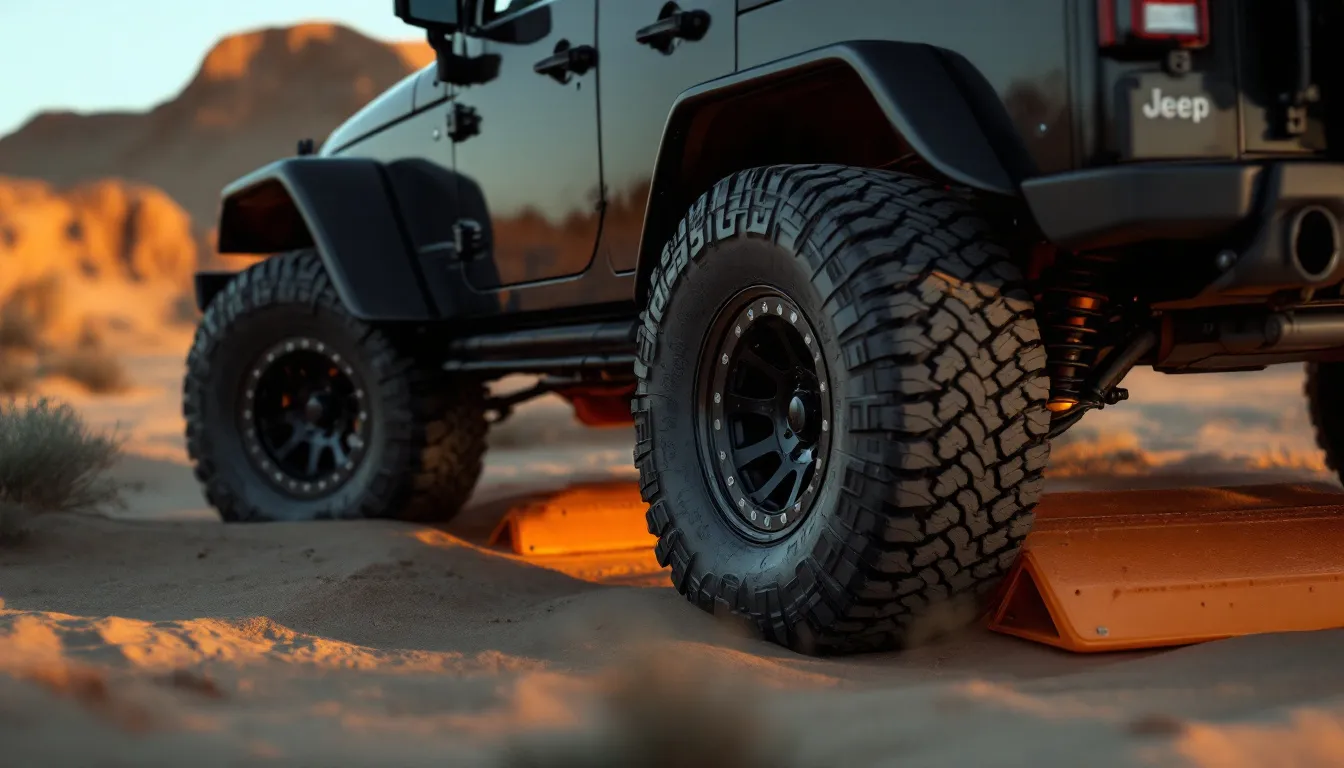
The best recovery boards for Jeep JK are MaxTrax MKII for serious off-roaders, ARB TRED Pro for balanced value, and MAXSA Escaper Buddy for budget-conscious trail riders. Your choice depends on how often you wheel, the terrain you tackle, and whether your JK sees Cape Town sand dunes or rocky mountain trails.
I learned this the hard way on Bainskloof Pass when I stopped to help a stranded driver buried axle-deep in loose gravel. My recovery boards pulled him out in under five minutes, and I’ve kept a permanent recovery kit in the Jeep ever since.
Recovery boards matter specifically for the JK because of its curb weight — 3,970 lbs for a 2-door Sport and up to 4,240 lbs for a loaded 4-door Rubicon. That weight, combined with 32-37” tires digging into soft terrain, creates serious traction challenges. A winch helps when you have an anchor point, but recovery boards work anywhere: beach sand, desert wash, mud bog, or snow. They’re your get-out-of-jail-free card when momentum fails and physics works against you.
The JK’s approach angle (25.2° stock, better with a lift) and breakover angle (20.3° for the two-door, 18.4° for the JKU) mean you’re more likely to get stuck in depressions or bowls where the chassis high-centers. Recovery boards bridge that gap between your tires and solid ground. They’re not just for sand — I’ve used mine on wet clay, loose rock, and even icy forest service roads in the Cederberg.
This guide covers the top three recovery board options tested across multiple terrain types, what makes each one worth considering, and how to choose the right set for your specific JK and wheeling style. We’ll also address common questions like whether common JK reliability concerns affect recovery gear mounting and what storage solutions work best for daily drivers versus dedicated trail rigs.
Recovery Boards for Jeep JK: Quick Comparison
Here’s how the top three recovery boards stack up for JK owners. This comparison focuses on the specs that matter most when you’re stuck: weight capacity, grip pattern effectiveness, and real-world durability with a 4,000+ lb Jeep.
| Feature | MaxTrax MKII (Best Overall) | ARB TRED Pro (Best Value) | MAXSA Escaper Buddy (Budget) |
|---|---|---|---|
| Load Rating | 10 tons (20,000 lbs) | 7 tons (14,000 lbs) | 8 tons (16,000 lbs) |
| Material | UV-stabilized reinforced nylon | Reinforced nylon composite | Standard nylon composite |
| Grip Pattern | Aggressive angled teeth | Multi-directional diamond | Shallow ridge pattern |
| Weight per Board | 7.7 lbs | 6.6 lbs | 4.5 lbs |
| Price Range | $350-$400/pair | $220-$260/pair | $90-$120/pair |
All three handle the JK’s weight, but they differ significantly in how well they perform when your 35” mud terrains are spinning at 5 psi in wet sand. The MaxTrax grip like industrial sandpaper, the ARBs offer solid bite with better flex, and the MAXSA boards work but require more finesse and multiple repositioning attempts.
Best Overall: MaxTrax MKII Recovery Boards
MaxTrax MKII boards are the gold standard for JK recovery — they’ve pulled more stuck Jeeps out of impossible situations than any other brand, and for good reason. The aggressive tooth pattern grips like nothing else, the reinforced nylon construction survives brutal abuse, and the load rating exceeds even a fully-built JK Rubicon Unlimited with a rooftop tent and full armor.
I’ve watched these boards extract a 4-door JK buried to the frame rails in Hout Bay beach sand after a high tide trapped it. The driver tried for 20 minutes with a shovel before someone arrived with MaxTrax. Thirty seconds later, the Jeep was rolling on solid ground. That’s the MaxTrax difference — they work on the first attempt, not the third.
Pros:
- Extreme grip pattern: The 88 reinforced teeth bite into tire tread and terrain simultaneously, creating mechanical connection that doesn’t slip
- 10-ton load rating: More than double what you need for a JK, which means zero flex or bending under load
- UV-resistant construction: Cape Town sun hasn’t faded mine after three years of roof rack exposure
- Integrated shovel teeth: The leading edge doubles as a makeshift digging tool in packed sand
- Leash attachment points: Built-in holes for securing to recovery points or preventing board loss
Cons:
- Premium price point: $350-$400 feels steep until you use them once and realize why
- Heavier than alternatives: At 7.7 lbs each, they add noticeable weight to roof rack loads
- Storage footprint: 45” x 13” means they dominate tailgate mounts or take significant roof rack space
The MaxTrax MKII design specifically addresses common traction boards jk failure modes. The angled teeth grip in both forward and reverse directions, critical when you’re rocking a stuck JK to build momentum. The rigid backbone prevents flexing under load — cheaper boards bend in the middle when a tire climbs them, breaking traction. MaxTrax stay flat and engaged through the entire recovery.
For Rubicon owners with factory lockers, MaxTrax provide the traction those locked axles need to pull you out. The lockers send power to both wheels, but without traction surface, they just spin. Drop MaxTrax under the tires, engage lockers, and watch physics work in your favor. Sport and Sahara models benefit even more since you’re typically working with open differentials that need every traction advantage.
I keep my orange MaxTrax mounted to a Garvin roof rack. They’re visible, which matters when you’re traveling in a group — other wheelers know you’re equipped for recovery. The bright color also prevents leaving them behind after a recovery (easier than you’d think when you’re covered in mud and ready to move on).
Verdict: Buy MaxTrax if you wheel regularly, tackle challenging terrain, or want recovery boards that work the first time, every time. They’re expensive, but they’ve never failed me when it mattered.
Best Value: ARB TRED Pro Recovery Boards
ARB TRED Pro boards deliver 85% of MaxTrax performance at 60% of the price — making them the smart choice for JK owners who wheel frequently but can’t justify premium pricing. The multi-directional grip pattern works in sand, mud, and snow. The reinforced nylon construction survives repeated use without cracking. And the 7-ton load rating handles any JK configuration with room to spare.
These boards represent the sweet spot for most JK owners. You get serious off-road capability without the financial commitment of MaxTrax. I’ve used borrowed TRED Pros on several recoveries and they consistently perform — the grip isn’t quite as aggressive, but they still bite hard enough to extract a stuck JK on the first or second attempt.
Pros:
- Excellent value proposition: Half the price of MaxTrax with comparable real-world performance
- Multi-directional teeth: Diamond pattern grips in forward, reverse, and angled approaches
- Flexible construction: Slight flex under load actually helps the board conform to uneven terrain
- Lighter weight: At 6.6 lbs each, they’re easier to handle and mount
- Integrated handles: Molded grip points make carrying and positioning easier in gloves
Cons:
- Lower load rating: 7 tons is plenty for a JK, but leaves less safety margin than MaxTrax
- Less aggressive bite: The shallower teeth pattern requires slightly more wheel momentum
- Durability questions: Some long-term users report edge wear after dozens of recoveries
The TRED Pro design works particularly well for recovery mats wrangler owners who see mixed terrain. The diamond pattern provides solid grip in wet clay (where MaxTrax can feel like overkill), reasonable performance in beach sand (where deeper teeth help but aren’t critical), and surprising effectiveness in snow or ice (where the multidirectional pattern prevents lateral sliding).
For JK owners considering JK vs JL weight differences, the TRED Pro 7-ton rating handles both platforms easily. Your 2007-2018 JK weighs 3,970-4,240 lbs curb weight, plus gear and passengers — call it 5,000 lbs max. That means each board (if you’re using two) carries 2,500 lbs, well under the 3,500 lb per-board capacity. The safety margin matters because dynamic loads during tire spin can momentarily exceed static weight.
The black color isn’t as visible as MaxTrax orange, which cuts both ways. Less conspicuous on the roof rack for daily driving, but easier to forget in the dirt after a recovery. I recommend marking them with reflective tape or choosing the orange TRED Pro variant if you frequently wheel at night.
Storage-wise, the TRED Pro dimensions (44.5” x 12.5”) fit standard JK roof racks and most tailgate mounts. The lighter weight means less stress on mounting hardware, and the integrated handles make them easier to pull off the rack when you need them in a hurry.
Verdict: Choose ARB TRED Pro if you wheel 4-8 times per year, tackle moderate to difficult terrain, and want reliable recovery capability without premium pricing. They’re the best balance of performance, durability, and value.
Budget Pick: MAXSA Escaper Buddy Recovery Tracks
MAXSA Escaper Buddy tracks deliver basic recovery capability for under $120 — making them the entry point for JK owners who wheel occasionally, stick to established trails, and need recovery boards as insurance rather than a frequent tool. They work, but with significant caveats about grip pattern, durability, and performance in challenging conditions.
I recommend these boards for weekend warriors who trailer to managed OHV parks, stay on rated trails, and rarely encounter deep sand or thick mud. They’ll extract your JK from most common stuck situations — loose gravel on a forest service road, wet grass at a campsite, shallow mud crossing — but they struggle in scenarios where MaxTrax or TRED Pro would succeed easily.
Pros:
- Affordable entry point: At $90-$120/pair, they remove the financial barrier to recovery preparedness
- Lightweight design: 4.5 lbs each makes them easiest to store and handle
- Adequate load rating: 8-ton capacity handles JK weight with good safety margin
- Compact storage: Shorter length (42” x 12”) fits tighter mounting configurations
- Low-risk introduction: Good way to learn recovery board technique before investing in premium options
Cons:
- Shallow grip pattern: Ridge design lacks the aggressive bite of MaxTrax or TRED Pro teeth
- Thinner construction: Noticeably more flex under load, which reduces effectiveness
- Durability concerns: Several owners report cracking after 5-10 aggressive recoveries
- Single-direction optimization: Work best in forward direction, less effective in reverse
- Limited terrain capability: Struggle in deep sand or slick clay where premium boards excel
The honest assessment: MAXSA Escaper Buddy boards are better than nothing, but not by much in serious situations. They handle light recovery scenarios where you need a little extra traction to get rolling again. They fail in deep bogdown situations where your JK has settled into soft terrain and needs maximum grip to extract.
Material quality shows in durability. The thinner nylon composite construction doesn’t survive UV exposure as well as MaxTrax or ARB. If you mount these on your roof rack and leave them in Cape Town sun for months, expect color fade and eventual brittleness. Store them inside the JK or in a bag when not actively wheeling.
The shallow ridge pattern means you need more momentum and often multiple attempts to complete a recovery. Place the boards, try to drive out, reposition boards, try again. With MaxTrax, you typically succeed on the first attempt. That difference matters when you’re stuck in a rising tide zone or losing daylight in the mountains.
When NOT to buy MAXSA boards: Skip these if you regularly wheel difficult terrain, run 35”+ tires that need substantial traction surface, travel solo (where recovery failure has serious consequences), or plan to wheel more than 4-5 times per year. In those scenarios, spend more upfront for ARB TRED Pro or MaxTrax.
When to consider MAXSA boards: Choose these if you’re a new JK owner learning off-road skills, wheel established trails with group support, want recovery insurance for occasional adventures, or need to spread recovery gear purchases across multiple paychecks.
Verdict: MAXSA Escaper Buddy boards work for casual trail riding and light recovery scenarios. If your wheeling is frequent or challenging, save up for ARB or MaxTrax — you’ll thank yourself the first time you really need them.
Also Worth Considering
X-BULL Recovery Tracks sit between MAXSA and ARB in pricing and performance. The reinforced construction handles JK weight reliably, and the grip pattern works better than MAXSA in sand. But quality control seems inconsistent — some owners report excellent durability, others experience cracking within the first year. At $160-$180/pair, they’re close enough to ARB pricing that I’d spend the extra $40-60 for TRED Pro’s proven track record.
ActionTrax boards from Smittybilt offer decent performance at mid-tier pricing ($140-$180). The integrated sand removal channels are clever — they help prevent mud buildup that reduces grip. But the narrower width (11.5” vs 12.5”-13” for others) provides less tire contact surface, which matters when you’re running 35” tires with wide tread patterns. They work, but don’t excel in any particular terrain type.
TRED GT boards represent ARB’s premium line, competing directly with MaxTrax pricing at $350-$400. The deeper grip pattern and reinforced construction promise better durability than TRED Pro. In testing, they perform nearly identically to MaxTrax MKII — marginal improvements that don’t justify choosing them over the more established MaxTrax brand unless you strongly prefer the TRED design aesthetic or mounting system.
These alternatives exist, and they work. But MaxTrax MKII, ARB TRED Pro, and MAXSA Escaper Buddy represent the clear performance tiers that make sense for most JK owners. If budget is no concern, MaxTrax wins. If value matters, ARB delivers. If you’re financially constrained, MAXSA gets you started. Everything else falls somewhere in between without offering compelling advantages.
Recovery Board Buying Guide for Jeep JK Owners
Choosing the right recovery boards for your JK requires matching board specifications to your specific Jeep configuration and typical wheeling environment. Not all boards handle heavy JKUs equally well, and aggressive grip patterns that excel in sand sometimes struggle in packed clay.
Weight Capacity and JK Models
Your JK’s curb weight determines minimum board capacity. A 2-door Sport weighs 3,970 lbs, while a 4-door Rubicon hits 4,240 lbs before adding gear, armor, or passengers. Add typical modifications — steel bumpers, winch, rooftop tent, rock sliders — and you’re approaching 5,000 lbs. Recovery boards experience dynamic loads during wheel spin that can momentarily double static weight, so minimum recommended capacity is 7 tons (14,000 lbs) for any JK configuration.
For heavily modified JKs with significant armor and accessories, 10-ton boards like MaxTrax MKII provide comfortable safety margins. Your boards should never flex or bend under load — that breaks the mechanical connection between tire and terrain that makes recovery possible. For JK model year weight variations, the differences are minimal (50-100 lbs between model years), so focus on your specific configuration rather than production year.
Grip Pattern for Your Terrain
Terrain type dictates grip pattern requirements:
Deep sand (beaches, dunes, desert): Aggressive angled teeth like MaxTrax MKII or ARB TRED Pro diamond pattern. The deeper the sand, the more critical tooth depth becomes. Shallow ridges slip when tires dig in.
Mud and clay (trails after rain, river crossings): Multi-directional patterns work best. Mud fills single-direction grooves, reducing effectiveness. Diamond patterns maintain grip as mud clears through channels.
Snow and ice (mountain trails, winter camping): Multi-directional diamond patterns prevent lateral sliding. Avoid aggressive single-direction teeth that create ice ruts and reduce control.
Rocky terrain (technical trails, boulder crawls): Deeper teeth patterns grip tire tread better on uneven surfaces. Flexible boards conform to rock shapes, but too much flex reduces load capacity.
Mixed terrain (changing conditions on single trip): Balanced middle-ground patterns like ARB TRED Pro handle variety without excelling in any one type. Compromise beats optimization if you see everything.
Cape Town sand dunes demand different boards than Karoo mud flats. Know where you wheel most often and choose accordingly.
Material Construction and Durability
Recovery board material determines lifespan under JK weight and UV exposure:
UV-stabilized reinforced nylon (MaxTrax MKII, ARB TRED Pro): Resists sun damage during roof rack storage, maintains flexibility across temperature ranges (-20°F to 140°F), and survives repeated high-stress recoveries. Expect 5-10 years of regular use.
Standard nylon composite (MAXSA, budget brands): Adequate for occasional use but degrades under sustained UV exposure. Store inside vehicle when not actively wheeling. Expect 2-3 years of light use or 15-20 aggressive recoveries before cracking.
Reinforced backbone construction: Critical for preventing mid-board flex under load. Look for visible reinforcing ribs or channels that run the board’s length. Boards without reinforcement bend when tires climb them, breaking traction.
The material quality difference shows most clearly after 12-18 months of rooftop storage. Premium boards maintain color and flexibility. Budget boards fade, become brittle, and eventually crack along stress points.
Board Length and JK Tire Size
Board length must match your tire diameter for effective recovery:
32”-33” tires (stock JK Sport/Sahara): 42”-44” boards provide adequate bridging distance for most stuck situations. Shorter boards work but require precise placement.
35” tires (common Rubicon upgrade): 44”-45” boards offer better contact surface and bridge longer obstacles. The extra length matters in deep ruts or depressions.
37” tires and larger (heavily modified JKs): 45”+ boards necessary for adequate tire-to-ground contact. Shorter boards disappear under large tires, reducing effectiveness.
I run 35” Goodyear Duratracs and find 45” MaxTrax boards perfectly sized. The leading edge stays visible ahead of the tire, making placement easier. Shorter boards would work but require more careful positioning.
Mounting and Storage Considerations
Recovery board storage affects daily usability and accessibility during emergencies:
Roof rack mounting (most common): Keeps boards accessible without consuming interior space. Requires quality mounting straps or dedicated brackets. Check roof rack compatibility for recovery gear storage to ensure your rack handles board weight and wind resistance.
Tailgate mounting (popular for JKU): Places boards within easy reach but increases rear overhang and departure angle concerns. Works better for shorter boards (42”-44”).
Interior storage (inside cargo area): Protects boards from UV damage and theft but consumes significant space. Best for occasional wheelers who remove boards between trips.
Weight matters for roof mounting. MaxTrax MKII at 7.7 lbs each add 15.4 lbs to roof load capacity. ARB TRED Pro at 6.6 lbs each total 13.2 lbs. Factor this into your total roof weight calculation, especially if you’re running a rooftop tent or cargo basket.
Choose recovery boards based on where and how you wheel, not just marketing claims. Match board specifications to your specific JK weight, tire size, and typical terrain for reliable recovery capability when momentum fails.
How to Use Recovery Boards on Your JK
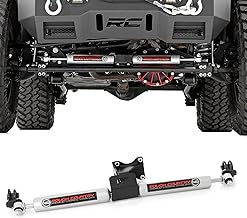
Recovery boards work through mechanical connection between tire tread and terrain, but proper placement and technique determine success or failure. I learned this during my recovery kit evolution — I spent a full weekend installing steel front bumper and winch, fighting corroded bolts and discovering how much the weight difference affects steering. That first real winch recovery taught me that winches and boards serve different purposes, and knowing when to use each matters as much as having both.
Step 1: Assess the Situation Before Touching Boards
Stop spinning your tires immediately. Every revolution digs deeper and makes recovery harder. Shift to neutral, engage parking brake, and evaluate: Are you high-centered? Buried to the axles? Stuck in a rut? The problem determines the solution. High-centering requires lifting the chassis. Axle-deep sand needs traction under all four tires. Ruts demand proper board placement angle.
Check all four tires. Front stuck but rear on firm ground? You need boards only at the front. All four buried? You’ll need to work in stages — front first, then reposition boards for the rear.
Step 2: Clear Debris and Dig Out if Necessary
Dig away material from in front of and behind each stuck tire. You’re creating a ramp that the recovery board will extend. Remove rocks, branches, or debris that would prevent the board from sitting flat. The board must make full contact with both tire and ground — any gap breaks the mechanical connection.
For deep sand or mud, dig a gradual approach in front of each tire. The board should angle down slightly from tire to ground, creating a gentle slope rather than a step. Steep angles cause boards to kick out when the tire hits them.
Step 3: Place Boards Tight Against Tire Tread
Position each board directly against the tire, teeth pointing away from the vehicle. The leading edge should contact the tire tread, not sit 2-3 inches away. That gap creates impact loading when the tire drops onto the board, which can break cheaper boards or kick them out from under the tire.
For maximum traction, angle boards slightly outward (5-10 degrees) to create a widening path that guides the tire toward firmer ground. Straight placement works, but angled placement accounts for tire drift under throttle.
If you have a spotter, have them confirm board placement before you return to the driver’s seat. Board position looks different from the driver’s seat than from outside the Jeep.
Step 4: Drive Slowly with Steady Throttle
Apply smooth, steady throttle — not aggressive bursts. The goal is firm tire-to-board contact that doesn’t break traction. Too much throttle spins the tire on the board surface, generating heat that can melt cheaper board materials. Too little throttle doesn’t create enough momentum to climb out.
For Rubicon’s electronic locking differentials, engage front and rear lockers before attempting recovery. Locked axles ensure both wheels receive power, doubling your traction surface. Sport and Sahara models work with open differentials but may require more finesse.
If using boards at only the front or rear, expect the Jeep to pull slightly toward the side with boards. Compensate with gentle steering input to keep the vehicle tracking straight.
Step 5: Monitor Progress and Reposition if Needed
Watch the board position as the tire climbs it. Good boards stay flat under the tire. Cheap boards flex or bend, which breaks traction. If a board kicks out or the tire spins without moving forward, stop immediately, reset, and try again with different approach angle or lower tire pressure.
Sometimes you need multiple board placements to fully extract a stuck JK. Drive as far forward as the boards allow, stop, reposition boards under the tires (now slightly ahead of where you started), and repeat. It’s not elegant, but it works.
Combination Recovery: Boards + Winch + Momentum
The most reliable JK recoveries combine multiple techniques. Place boards for initial traction, engage lockers, attach winch to a solid anchor point (tree, rock, another vehicle), and apply throttle while winching. The boards prevent digging deeper, the winch provides pulling force, and throttle adds momentum. This combination succeeds where single techniques fail.
Store your boards within reach of the driver’s seat if possible. Roof racks work for clean trail riding, but when you’re stuck alone in mud and rain, retrieving boards from the roof adds miserable difficulty to an already bad situation. Know where your boards are, how to deploy them quickly, and practice placement before you need them in an emergency.
Recovery boards work through physics, not magic. Place them correctly, apply appropriate throttle, and trust the mechanical connection between tire tread and board teeth. When properly used, they’ll extract your JK from situations where momentum and traction alone fail.
Mounting Recovery Boards on Your JK
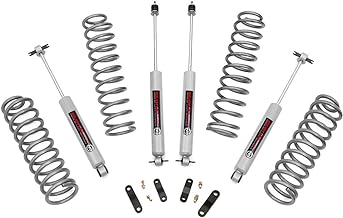
Recovery board storage solutions balance three competing factors: accessibility during emergencies, security against theft, and impact on JK aerodynamics or cargo space. Choose based on how often you wheel and whether your JK serves daily driver duty or dedicated trail rig.
Roof Rack Mounting (Most Versatile)
Roof racks provide the best balance of accessibility and storage efficiency for JK owners who wheel regularly. Boards stay visible (deterring casual theft through visibility), consume no interior cargo space, and remain accessible from outside the vehicle. Mount boards lengthwise along the rack sides using heavy-duty straps or dedicated MaxTrax/ARB mounting brackets.
Pros:
- Zero impact on interior cargo capacity
- Quick access during recoveries (30 seconds to unlatch and remove)
- Boards dry and clean between uses (mud falls off during driving)
- Compatible with bikini top and roof rack configurations for open-air driving
Cons:
- Adds roof weight (13-16 lbs total) affecting center of gravity
- Creates wind noise at highway speeds (minimal with proper mounting)
- Boards exposed to UV damage (choose UV-resistant materials)
- Requires quality mounting straps or brackets ($40-80 additional investment)
I run this setup with MaxTrax mounted to Garvin roof rack side rails. The orange boards are immediately visible to other trail riders, signaling I’m equipped for recovery support. After three years of rooftop exposure in Cape Town sun, the boards show no fade or degradation — testament to quality material construction.
Tailgate Mounting (JKU Specific)
Tailgate-mounted board carriers work exceptionally well for 4-door Unlimited models where the vertical tailgate provides perfect mounting surface. Boards mount flat against the inside of the tailgate using dedicated carriers or heavy-duty straps, staying protected from road spray while remaining accessible without roof climbing.
Pros:
- Easy access (simply open tailgate)
- Protected from overhead branches on tight trails
- No roof weight affecting handling or fuel economy
- Maintains low vehicle center of gravity
Cons:
- Increases rear overhang and departure angle concerns (boards extend below tailgate)
- Limits tailgate table functionality if you use that accessory
- Boards can rattle if mounting hardware loosens
- Vulnerable to theft if tailgate isn’t locked
This works best with shorter boards (42”-44”). Longer MaxTrax or ARB TRED Pro boards may extend below the tailgate bottom, creating ground clearance issues on steep descents. Measure carefully before committing to this mounting approach.
Interior Storage (Occasional Use)
Storing boards inside the cargo area protects them from UV damage and theft while keeping them completely out of sight. Slide boards under rear seats (possible on JKU), strap them along cargo area sides, or lay them flat in the cargo compartment. This approach makes sense for weekend wheelers who remove recovery gear between trips.
Pros:
- Complete UV protection extends board lifespan
- Zero theft risk or vandalism concerns
- No aerodynamic impact or wind noise
- Protects boards from trail damage (tree branches, rock strikes)
Cons:
- Consumes significant cargo space (45” boards dominate the cargo area)
- Boards get muddy/wet inside the vehicle after use
- Slower access during emergencies (requires opening tailgate, moving cargo)
- Not practical for frequent wheelers who need instant access
If you choose interior storage, wrap boards in old sleeping bags or tarp to contain mud and moisture after recoveries. Nothing worse than wet, muddy boards soaking into your carpet or contaminating camping gear on the drive home.
My recommendation: Roof rack mounting for regular wheelers (monthly or more frequent), tailgate mounting for JKU owners who prioritize quick access, interior storage for occasional wheelers who travel to wheeling destinations rather than local trail riding. Match your storage solution to your usage pattern, not just aesthetic preference.
Recovery Board FAQ
Do I need recovery boards if I have a winch?
Yes — recovery boards and winches serve different purposes. Winches require solid anchor points (trees, rocks, another vehicle), which don’t exist in open sand dunes, dry lake beds, or prairie grasslands. Recovery boards work anywhere because they create traction under your tires regardless of surroundings. Many experienced wheelers carry both and use them in combination: boards for initial traction, winch for pulling force. The right tool depends on the situation, and being stuck with only one option limits your recovery capability.
How many recovery boards do I need?
Two boards minimum for solo recoveries, four boards for serious off-road travel. Two boards let you recover one axle at a time — place boards under front tires, drive forward, reposition boards under rear tires, drive forward again. Four boards allow simultaneous all-wheel recovery, which matters when you’re buried deep or the terrain is particularly soft. If you frequently wheel alone in remote areas, carry four boards. If you travel in groups on established trails, two boards plus recovery assistance from others works fine.
Can recovery boards damage tires?
Recovery boards will not damage tires when used correctly. The grip teeth are designed to mesh with tire tread patterns, creating mechanical connection without cutting or puncturing. However, aggressive wheel spin can generate heat that melts cheaper recovery board materials (creating minor surface melting on tire tread) or causes tire slip on the board surface (wearing down board teeth). Use steady throttle, not full-throttle bursts, and both boards and tires will survive hundreds of recoveries without damage.
What’s the difference between recovery boards and traction mats?
Recovery boards and traction mats are the same product — the terms are used interchangeably in the off-road community. “Recovery boards” emphasizes extraction from stuck situations, while “traction mats” emphasizes the grip improvement they provide. MaxTrax popularized “recovery boards,” while ARB uses “recovery tracks.” All describe rigid platforms with aggressive grip patterns designed to bridge the gap between stuck tires and solid ground.
Are MaxTrax worth the money?
MaxTrax are worth the premium price if you wheel regularly in challenging terrain where first-attempt recovery success matters. The aggressive grip pattern, reinforced construction, and 10-ton load rating justify the $350-$400 cost when you’re stuck alone in rising tide zones or losing daylight on remote trails. For casual wheelers on established trails with group support, ARB TRED Pro delivers 85% of MaxTrax performance at 60% of the cost — a better value proposition. Don’t buy MaxTrax to impress other Jeepers; buy them because the superior performance makes a real difference in your wheeling scenarios.
How much weight can recovery boards handle?
Quality recovery boards handle 7-10 tons (14,000-20,000 lbs), far exceeding any JK configuration. Your 2-door Sport weighs ~4,000 lbs, your 4-door Rubicon weighs ~4,200 lbs, and even heavily modified JKs rarely exceed 5,000 lbs. The high load ratings account for dynamic forces during wheel spin and tire climb-out, which temporarily generate loads higher than static vehicle weight. Budget recovery boards claiming 8-ton capacity but using thin nylon construction may fail under dynamic loads despite meeting static weight specifications. Choose boards based on construction quality, not just claimed weight ratings.
Final Recommendation: Which Recovery Boards Should You Buy?
Buy MaxTrax MKII if you wheel monthly or more, tackle difficult terrain regularly, or travel solo in remote areas where recovery failure has serious consequences. The $350-$400 investment pays for itself the first time you need them in a high-stakes situation. The aggressive grip pattern, bulletproof construction, and first-attempt success rate make them the smart choice for committed Jeepers.
Choose ARB TRED Pro if you wheel 4-10 times per year, handle moderate trails, and want reliable recovery capability without premium pricing. At $220-$260, they deliver exceptional value — genuine performance from a trusted brand at half the cost of MaxTrax. The multi-directional grip pattern handles varied terrain competently, and the reinforced construction survives regular use. This is the sweet spot for most JK owners.
Consider MAXSA Escaper Buddy only if you’re budget-constrained, wheel occasionally on established trails, and need basic recovery insurance. At $90-$120, they’re better than carrying nothing. But understand their limitations — shallow grip, thinner construction, and reduced effectiveness in challenging situations. They work for light recovery scenarios but struggle when conditions get serious.
My research philosophy comes down to this: real-world community knowledge beats spec sheet marketing every time. I trust products that have extracted hundreds of stuck Jeeps in varying conditions, not brands with clever advertising but limited field proven performance. MaxTrax and ARB TRED Pro have earned their reputations through consistent real-world success. Budget brands work sometimes, fail other times, and leave you guessing until the moment you need them most.
Recovery boards join winches, hi-lift jacks, and tow straps in your essential recovery kit. For more guidance on building a complete JK setup, see our complete JK buying guide covering modifications, reliability considerations, and trail preparation. And if you’re still deciding between JK configurations, check our soft top vs hard top comparison to see how different roof choices affect recovery gear storage and daily usability.
Get equipped properly, learn recovery techniques before you need them in an emergency, and wheel with confidence knowing you can self-recover from most stuck situations. Your JK is exceptionally capable off-road — pair it with recovery gear that matches that capability.
Get the Free JK Build Planner
Complete PDF with mod checklists, gear ratios, tire sizing charts, and budget worksheets. Everything you need to plan your JK build.
No spam. Unsubscribe anytime. By subscribing, you agree to our Privacy Policy.
Allan
I'm Allan. I bought a 2014 Jeep Wrangler JKU and I research the hell out of every mod before I touch it. Everything here is tested or deeply researched on my own rig - no sponsored fluff, just honest findings.
Learn more about me →Get the JK Build Planner
Free PDF with complete build checklists, gear ratios, and tire fitment guides.
By subscribing, you agree to our Privacy Policy.
Related Articles
Best Warn Winch for Jeep JK: Top 6 Premium Recovery Options
Find the perfect Warn winch for your JK. Compare Zeon vs VR EVO series, 10K vs 12K capacity, synthetic vs steel—plus capacity calculations for modified rigs.
Best Soft Top for Jeep JK Unlimited: Top 8 4-Door Options
Best soft tops for Jeep Wrangler JK Unlimited 4-door reviewed: premium Sailcloth, budget vinyl, Sunrider flip-back, and quick-removal options for 2007-2018 JKU models.
Best Winch for Jeep JK Unlimited: Heavy-Duty Options for 4-Door
The best winch for a 4-door JK Unlimited is 10K-12K lbs with synthetic rope. We compare top picks for weight, features, and real-world recovery.