Best Cat Back Exhaust for Jeep JK: Complete System Comparison
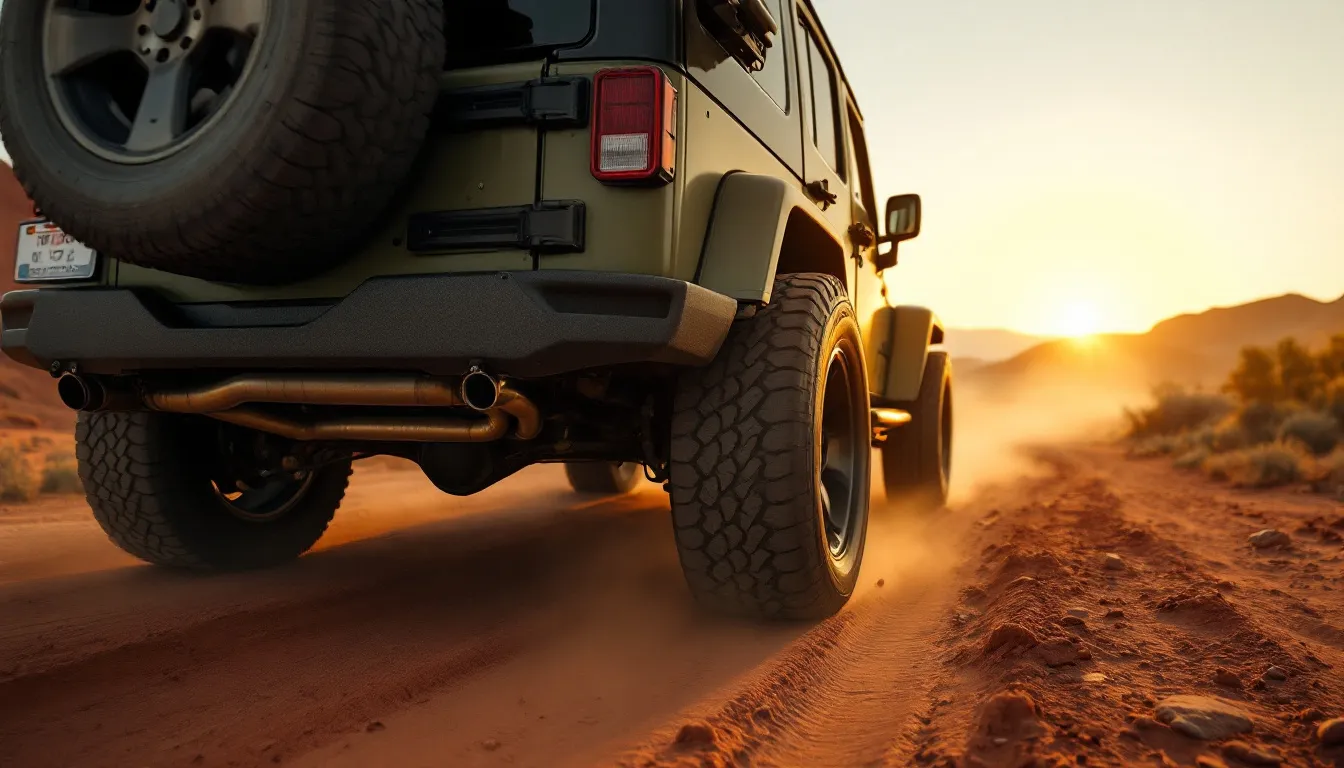
Best Cat Back Exhaust for Jeep JK: Complete System Comparison
Introduction
Finding the best cat back exhaust for Jeep JK isn’t about picking the loudest option or hunting for the cheapest kit. The right system depends on what’s bolted to your frame — whether you’re running the older 3.8L or the 3.6L Pentastar — your body style, how much drone you can tolerate on the highway, and honestly, whether you’re chasing real performance or just want your Jeep to sound like it means business. This guide cuts through the noise — pun fully intended — and grounds recommendations in actual owner feedback instead of spec sheets that manufacturers wrote to sound impressive.
Affiliate Disclosure: JeepJK Guide earns a commission on purchases made through links in this article at no additional cost to you. We only recommend products that Jeep JK owners actually use and trust.
My approach here is straightforward: spec sheets lie, but owners don’t. I’ve spent months digging through forum threads, tracking down real-world reviews, and talking directly to JK and JKU owners across multiple model years. You’ll find honest notes on drone behavior, fitment quirks, and actual sound levels — the details that never make it into a manufacturer’s product description. If you’re still figuring out which JK you have, grab the JK model year differences breakdown (2007–2018) before you spend anything.
Cat-back systems replace everything from the catalytic converter outlet straight back to the tailpipe tip. They’re one of the most popular bolt-on upgrades for the JK because you can install them yourself in an afternoon, they’re legal in most states, and the sound improvement hits you immediately when you fire it up. For the bigger picture on what deserves your upgrade budget first, check out the JK Buyers Guide.
This article covers the top systems available now, a real-world comparison table, the actual criteria that matter when you’re deciding, and an honest walkthrough of what installation actually looks like — with the tools you’ll actually need.
Best Cat-Back Exhausts for Jeep JK at a Glance
Short on time? Here’s the quick reference before we dig deeper.
- 🏆 Best Overall: Flowmaster American Thunder Cat-Back — aggressive sound that lives up to the hype, solid build quality, drone is present but doesn’t destroy your daily commute
- 🔇 Best for Daily Drivers: MagnaFlow Street Series Cat-Back — deep tone without the interior cabin drone that haunts louder systems, especially on the JKU
- 💰 Best Budget Pick: Gibson Exhaust Performance Cat-Back — real stainless construction at a price that doesn’t demand a second job, excellent value for what you get
- 🔊 Loudest / Most Aggressive: Borla S-Type Cat-Back — if you want everyone within three blocks to know you’re coming, this is your system
- 🏕️ Best for Off-Road/Overlanding: Banks Power Monster Exhaust — opens up under load where you actually feel the difference, not just at idle
Quick reality check before we go deeper: the 4-door JKU’s longer wheelbase means exhaust routing gets finicky, and some “universal” fitment kits fight you the whole way. Also, if your JK carries the older 3.8L V6 (2007–2011), your parts bin is different from the 3.6L Pentastar owners (2012–2018). We detail this below.
Cat-Back Exhaust Comparison: Key Specs Side by Side
Before you decide, it helps to see the fundamentals lined up. Two specs matter most — pipe diameter and material — because they actually shape your experience, not just what a dyno chart says.
If you suspect your JK has exhaust issues from a previous owner’s adventures, review the common JK problems by year before buying a replacement system.
| System | Pipe Diameter | Material | Sound Level | JK Fitment | JKU Fitment | Est. Price Range |
|---|---|---|---|---|---|---|
| Flowmaster American Thunder | 2.5” | 409 Stainless | Aggressive | ✅ Yes | ✅ Yes | $350–$450 |
| MagnaFlow Street Series | 2.5” | 409 Stainless | Moderate | ✅ Yes | ✅ Yes | $400–$500 |
| Gibson Performance | 2.5” | Aluminized Steel | Moderate | ✅ Yes | ✅ Yes | $250–$350 |
| Borla S-Type | 2.5” | T-304 Stainless | Very Loud | ✅ Yes | ✅ Yes | $550–$700 |
| Banks Power Monster | 3.0” | Stainless Steel | Moderate-Loud | ✅ Yes | ✅ Yes | $500–$650 |
3.8L vs 3.6L fitment note: Most of these systems come with separate part numbers for the 3.8L (2007–2011) and the 3.6L Pentastar (2012–2018). The 3.6L produces a deeper, more refined exhaust note with the same system compared to the 3.8L — it’s one of the reasons the newer Jeeps just sound better. Always confirm the correct part number for your engine before ordering.
Top Cat-Back Exhaust Systems for Jeep JK Reviewed
Pro Tip — Measure Before You Modify: Before you install anything, grab a decibel meter and record baseline sound levels at idle and 3,000 RPM. It gives you a hard before/after comparison and helps you verify whether the new system is performing as the reviews promised.

Decibel Meter, TopTes TS-501B Sound Level Meter with 2.25" Backlit LCD Screen, Portable SPL Tester
$26.99
Check Price on Amazon →The TopTes TS-501B covers 30–130 dB with A/C weighting and data hold — exactly what you need for a quick test in your driveway before and after install. Most stock JK exhausts sit around 70–75 dB at idle; a Flowmaster American Thunder typically pushes you to 80–85 dB depending on RPM.
1. Flowmaster American Thunder — Best Overall
Best for: JK owners who want their exhaust to sound noticeably different without turning every highway trip into a constant low rumble in the cabin.
The Flowmaster American Thunder shows up in more JK forum threads than any other system, and there’s real reason for that. The 2.5-inch mandrel-bent 409 stainless steel pipes matter because mandrel bending keeps the pipe diameter consistent through every curve — compared to crush-bent alternatives, you lose way less flow. That difference compounds over the entire system.
Sound is where this system earns its reputation. Idle gives you a throaty, purposeful rumble that actually sounds like something’s different. Get into the throttle on a trail climb or highway merge and it opens up with an aggressive note that genuinely sounds muscular without being the kind of loud that makes you regret your choices. Highway drone shows up at 65–75 mph, depending on how much sound deadening your JK has, but it’s manageable for most owners over long distances.
Fitment covers both 2-door JK and JKU with separate kits, and you’ll get different part numbers for the 3.8L and 3.6L. Installation feels straightforward if your JK’s under 80K miles; older trucks fight back with seized header bolts. See Rubicon vs Sport vs Sahara trim differences for notes on whether your specific trim has underbody components that complicate clearance.
Installation note: Pick up a set of stainless exhaust band clamps for the slip-fit connections. The Flowmaster kit ships with factory-style clamps, but upgraded band clamps give you a more reliable seal and less chance of a leak developing later.

2.5 Inch Automotive Exhaust Clamp, Stainless Steel Butt Joint Bolts Band Flanges Clamp Assembly
$12.78
Check Price on Amazon →Run a thin bead of Permatex Ultra Copper RTV at every slip-fit joint before final tightening. It prevents exhaust leaks if the pipes shift slightly during the first few hundred miles of break-in.
2. MagnaFlow Street Series — Best for Daily Drivers
Best for: JK owners who clock real highway time and need a system that sounds good without making every 75-mph cruise feel like you’re sitting inside a drum.
MagnaFlow’s reputation for low-drone exhausts exists for a reason. The Street Series uses a straight-through perforated core muffler with 409 stainless steel throughout, which creates a deeper, more subdued tone than the chambered designs you get from Flowmaster.
At idle, you get a refined, low growl — noticeable but not aggressive. At highway speeds, drone is minimal compared to the American Thunder. JKU owners especially gravitate here because the longer wheelbase and bigger cabin amplify interior drone more than the 2-door JK. On longer commutes, that low-drone design becomes the difference between loving your exhaust and regretting it.
Performance gains from any cat-back are modest on the JK — realistic expectations are 5–15 hp, most of that coming from reduced backpressure. Straight-through designs like MagnaFlow’s actually flow slightly more efficiently than chambered mufflers, though the real-world difference is unlikely to be something you feel in your seat.
The Street Series covers both 3.8L and 3.6L with correct part numbers. Build quality is excellent — MagnaFlow backs stainless systems with a lifetime warranty.
Installation note: Use Permatex Ultra Copper RTV on all slip joints and torque band clamps evenly. MagnaFlow kits have a reputation for good fitment, but if you’re not completely certain whether you have a JK or JL, check the JK vs JL exhaust compatibility differences first.
3. Gibson Performance Cat-Back — Best Budget Pick
Best for: JK owners who want something that’s genuinely stainless and built to last, not a disposable aluminized kit that rusts in five years.
Gibson walks the line between price and longevity. The tubing is aluminized steel, not stainless — and that matters because aluminized steel will eventually rust in humid or salty climates, typically in 5–8 years depending on where you live. The 2.5-inch aluminized steel pipe is the key spec to understand: it’s not stainless, but it’s also not the bargain-bin mild steel that no-name kits use.
Sound character is a moderate, meaty tone — deeper than stock without the aggression you get from Flowmaster. It’s a solid daily-driver sound that won’t wear on you during longer highway stints. Drone is relatively low for an aluminized system.
At $250–$350 depending on the vendor, Gibson becomes realistic if you’re spreading upgrade budget across multiple modifications. Just understand the tradeoff: in 5–7 years, you may be replacing it. If you’re in a rust belt state, step up to stainless from the start.
Installation note: Exhaust band clamps and RTV silicone apply just like any other system. Don’t skip the RTV just because this is a budget kit — a leak at a slip joint creates worse drone than any muffler design.
4. Borla S-Type — Loudest Option
Best for: JK owners who trail-wheel regularly and genuinely want an aggressive exhaust note — and don’t mind hearing it constantly inside the cabin.
Borla’s S-Type is built with T-304 aircraft-grade stainless steel, the highest material grade in this entire comparison. It’s engineered to last, and Borla backs it with a million-mile warranty. The sound, though, is not subtle. This ranks among the loudest cat-back systems available for the JK, and especially inside a JKU, you’ll hear it constantly.
If you spend most of your time off-road or on short trips, the aggressive note is genuinely satisfying. For daily commuters, the interior volume gets old fast. Many owners pair the S-Type with extra cabin sound deadening to find a livable middle ground.
Performance is strong under load — the large-diameter flow path and multi-core muffler design excel at sustained high RPM, which makes it a natural fit for JK owners who tow or run hard off-road.
5. Banks Power Monster — Best for Off-Road and Overlanding
Best for: JK owners who want real performance gains under load, especially when towing or climbing at elevation where breathing room actually matters.
Banks Power uses a 3.0-inch main pipe — the largest diameter here — which cuts exhaust backpressure more aggressively than 2.5-inch systems. The payoff shows up most at sustained high RPM: trail climbs, towing, or highway passes at elevation where every bit of engine breathing helps. You feel it when you need it.
Sound is moderate-to-loud with a bass-heavy character that deepens significantly under load. At idle, it’s relatively tame. Banks includes a Monster Ram intake option that pairs with the exhaust for a full intake-plus-exhaust upgrade — worth considering if you want to stack gains from both ends of the engine.
The 3.0-inch pipe requires slightly more clearance planning on the JKU’s longer chassis, but Banks includes JKU-specific fitment kits. Verify your part number against your exact year and engine.
How to Choose the Right Cat-Back Exhaust for Your JK
1. Know Your Engine: 3.8L vs 3.6L
This detail matters more than most people think through. The 3.8L V6 in 2007–2011 JKs and the 3.6L Pentastar in 2012–2018 JKs have different exhaust outlet designs, and most quality cat-back systems sell separate kits for each. Beyond just fitting, the 3.6L Pentastar has an inherently more pleasing exhaust note — it responds better to cat-back upgrades and sounds noticeably deeper with the same system than the 3.8L does. If you’re running a 2007–2011 JK, you’ll still hear a real improvement, just not quite as dramatic. See the complete JK model year changes by year for the full engine swap timeline.
2. Two-Door JK vs Four-Door JKU Fitment
The JKU’s longer wheelbase means pipes travel further, which isn’t a problem if you buy a JKU-specific kit. But “universal” kits that claim to fit everything often fit JKUs poorly, leading to rattles, exhaust leaks, and drone that a proper fitment kit wouldn’t create. Always buy a kit that explicitly lists your body style in the fitment description — not vague language like “fits Jeep JK.”
3. Drone Tolerance: Be Honest With Yourself
Highway drone is the most common complaint about aftermarket exhausts, and it rarely gets mentioned prominently in product descriptions. Chambered muffler designs (like Flowmaster) tend to drone more than straight-through designs (like MagnaFlow). The JKU’s larger cab amplifies interior drone more than the 2-door JK does. If you drive more than 30 minutes on the highway regularly, drone tolerance becomes your decision-making filter — it’s the difference between loving your exhaust and regretting it every commute.
4. Material Grade and Longevity
409 stainless is the industry standard for mid-range cat-back systems and will outlast aluminized steel in any climate. T-304 stainless (used by Borla) is a higher grade still, with better corrosion resistance. If you live in a salt-belt state or wash your Jeep infrequently, the upgrade from aluminized steel to 409 stainless is worth the cost difference. Check known JK issues that affect exhaust routing for model-specific corrosion patterns in your area.
5. Horsepower Gains — Realistic Expectations
Does a cat-back exhaust add horsepower to a Jeep JK?
Yes, but keep expectations real. A cat-back system reduces exhaust backpressure, which lets the engine expel exhaust gases more efficiently. On the JK, most owners report gains in the 5–15 hp range depending on the system and what else is tuned on the engine. The 3.6L Pentastar responds slightly better than the 3.8L. Pair a cat-back with a cold air intake and a tune, and those gains stack meaningfully. A cat-back alone won’t transform your Jeep’s performance — it’s primarily a sound and longevity upgrade.
Choosing the right cat-back comes down to matching sound character and material grade to how you actually drive. The next section walks you through installation so you know what you’re getting into before you spend.
Installing a Cat-Back Exhaust on Your Jeep JK: What to Expect

Amazon Basics Steel Jack Auto Stands, 3 Ton (2.7 metric Ton) Capacity, Easy to Use, Adjustable Height
$28.88
Check Price on Amazon →A cat-back install on a JK is genuinely DIY-friendly. On a 2-door JK with newer chassis, most owners finish it in 2–3 hours. On an older JKU with seized fasteners, budget 4–5 hours and a lot of penetrating oil. Here’s what actually happens:
1. Lift the Jeep and support it safely on jack stands at all four corners. You need full access underneath — a floor jack alone isn’t safe for this work.
2. Spray all factory exhaust hardware with penetrating oil 30–60 minutes before you start. This includes the mid-pipe-to-cat flange bolts and all hanger mount points. On an older JK, this step alone saves you an hour of frustration.
3. Remove the factory tailpipe and muffler by unbolting the flange connection and sliding the pipes off the rubber hangers. On a JKU, you’ll have more hanger points to track — note where they connect.
4. Remove the mid-pipe if your kit includes a replacement. Some cat-back systems only go from the muffler back; others include the mid-pipe section. Know what your specific kit covers.
5. Test-fit the new system before final assembly. Hang all components loosely on the rubber mounts, check pipe alignment, and confirm clearance from the frame, floor pan, and spare tire carrier. This step prevents surprises when you try to start the engine.
6. Apply RTV silicone to all slip joints, then slide the pipes together and position band clamps at each connection. Don’t fully tighten yet.
7. Final-torque all clamps and flange bolts once you’re satisfied with alignment. Band clamps on exhaust connections need to be snug but not over-torqued — follow the kit’s spec if provided, or aim for 25–35 ft-lbs on a 2.5-inch clamp.
8. Start the engine and check for leaks. Listen for hissing at any joint. A shop rag held near joints (carefully — exhaust gets hot) will show any air movement. Re-tighten or add RTV if needed.
Before you spend money on exhaust upgrades, make sure the foundation is solid. I learned this lesson the hard way. My own JK needed a radiator swap, AC repair, and eventually cylinder head replacement on the 3.6L Pentastar before it was mechanically ready for bolt-on upgrades. Fix what’s broken first — an exhaust sounds a lot better on a healthy engine.
Tools Checklist for a JK Cat-Back Install:
-
Jack stands (3-ton rated): You cannot safely do this job without proper lift support. This isn’t negotiable.
-
Torque wrench with 1/2” drive: Proper torque on flange bolts prevents warping and exhaust leaks down the road.
-
WD-40 Specialist Penetrant: On any JK over 60K miles, expect at least one stuck bolt. This is not optional.

WD-40 Specialist Penetrant with Smart Straw, Penetrant for Metal, Rubber and Plastic
$5.98
Check Price on Amazon →- Hose clamp pliers — makes positioning exhaust band clamps in tight undercarriage spaces way less painful than using your fingers.

Hose Clamp Pliers Heavy Duty Hose Clamp Tool with Locking Device and Non-Slip Handle
$14.99
Check Price on Amazon →- Heat reflective tape — wrap any sections of new pipe that run close to brake lines, fuel lines, or the floor pan. A heat reflective tape precaution beats a costly repair later.

Design Engineering Cool-Tape | Self-Adhesive Heat Reflective Tape - High Temp (up to 400F)| 1.5" x 1"
$17.99
Check Price on Amazon →- Stainless exhaust band clamps — upgrade the stock clamps at slip joints for a more secure, leak-resistant connection.
For other JK modifications worth doing alongside an exhaust install, see other popular JK modifications to consider.
Frequently Asked Questions: Cat-Back Exhaust for Jeep JK
Does a cat-back exhaust void the warranty on a Jeep JK?
A cat-back exhaust alone does not automatically void your warranty. Under the Magnuson-Moss Warranty Act, a dealer must prove that the aftermarket part caused the specific failure before denying a warranty claim. If your JK is still under powertrain warranty, document your installation and keep the stock exhaust in case a dispute comes up. Check the full JK model year breakdown to see if your specific year has remaining extended coverage.
Will a cat-back exhaust pass emissions on my Jeep JK?
Yes, in most cases. A cat-back system replaces only components from the catalytic converter outlet backward — the cat itself stays in place. Since emissions testing primarily measures what comes through the catalytic converter, a cat-back modification typically doesn’t affect test results. Some states have visual inspection requirements, so verify your local rules before you install.
How much horsepower does a cat-back exhaust add to a Jeep JK?
Most JK owners see gains in the 5–15 hp range from a quality cat-back system. The improvement comes from reduced exhaust backpressure, which allows the engine to breathe more efficiently. The 3.6L Pentastar tends to respond slightly better than the older 3.8L. Pair a cat-back with a cold air intake and you can stack these gains, but don’t expect a cat-back alone to dramatically transform performance.
Is a cat-back exhaust the same as a full exhaust system?
No. A cat-back replaces components from the catalytic converter outlet to the tailpipe tip. A full exhaust system replaces everything from the exhaust manifold all the way back, including headers, mid-pipe, catalytic converter, and cat-back section. Full systems cost more, take longer to install, and may have emissions compliance implications. For most JK owners, a cat-back hits the sweet spot of value, sound improvement, and legal compliance. See JK common problems by year for issues that might affect other parts of your exhaust system.
What size pipe is stock on a Jeep JK exhaust?
The factory exhaust on both the 3.8L and 3.6L JK uses roughly 2.25-inch piping. Most aftermarket cat-back systems upgrade this to 2.5 inches, with some performance-focused systems going up to 3.0 inches (like the Banks Power Monster). The larger diameter reduces backpressure and contributes to both the sound improvement and modest performance gains.
Final Verdict: Best Cat-Back Exhaust for Your Jeep JK

YIYEIE 22PCS Torque Wrench Set 1/2" Drive, 10-180 ft.lb/13.6-244.1 Nm, Click Torque Wrench
$32.99
Check Price on Amazon →The Flowmaster American Thunder is the best all-around cat-back exhaust for most Jeep JK owners. It balances aggressive sound, solid 409 stainless construction, proven JK/JKU fitment, and a price point that doesn’t break the bank. It’s the system most owners are still happy with six months after install — and that’s the real measure.
If you commute daily and hate highway drone, go MagnaFlow Street Series. If budget is the priority, Gibson Performance delivers real value. If you want the ultimate off-road sound and have T-304 stainless money to spend, Borla S-Type is built to last a lifetime. Whatever you choose, the right exhaust makes every trail run and highway on-ramp more satisfying. While you’re upgrading, take a look at best soft tops for Jeep JK and best hardtops for Jeep JK to keep building out your JK the right way.
Get the Free JK Build Planner
Complete PDF with mod checklists, gear ratios, tire sizing charts, and budget worksheets. Everything you need to plan your JK build.
No spam. Unsubscribe anytime. By subscribing, you agree to our Privacy Policy.
Jeep JK Guide
We're JK owners who've been building, breaking, and fixing Wranglers for years. Everything here is tested on our own rigs - no sponsored fluff, just honest recommendations.
Learn more about us →Get the JK Build Planner
Free PDF with complete build checklists, gear ratios, and tire fitment guides.
By subscribing, you agree to our Privacy Policy.
Related Articles
Best Axle Back Exhaust For Jeep JK: Expert Picks & Buying Guide
Looking for the best axle back exhaust for Jeep JK? Our expert guide covers sound, performance, installation, and top recommendations for 2007-2018 Wranglers.
Best Gear Ratio For Jeep Jk With 33 Inch Tires
Best Driveshaft for Jeep JK: Upgraded Heavy-Duty Options for Lifted Wranglers